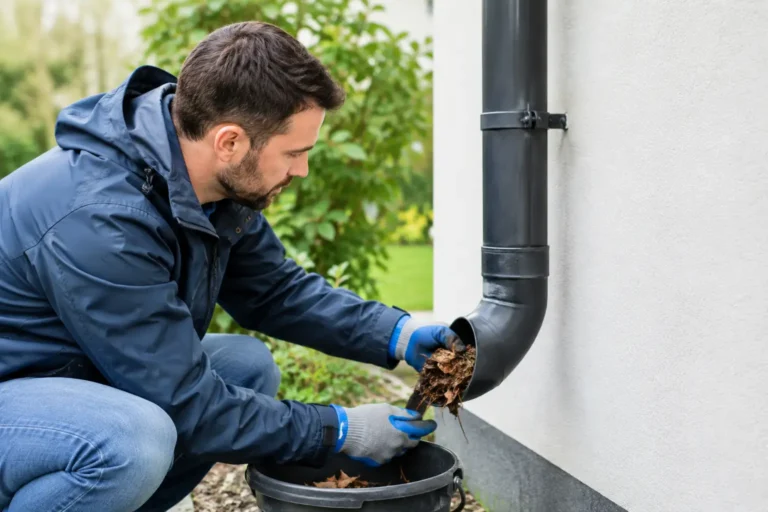
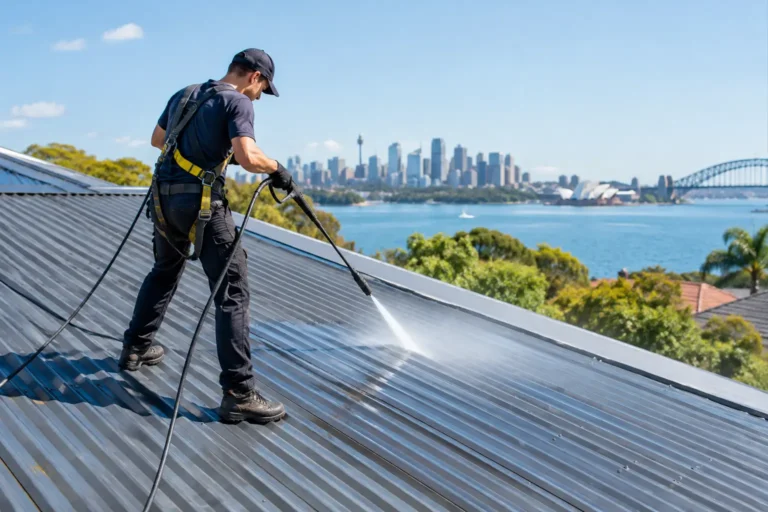
If you have gum trees overhead, regular storms rolling through, or gutters that seem to clog the week after they were cleaned, it makes sense to ask which gutter guard is best. The short answer is that the best option is usually the one that suits your roof profile, local leaf load and maintenance goals – not simply the cheapest product on the market.
For most Sydney homes and commercial properties, a professionally installed aluminium mesh system is the strongest all-round choice. It offers reliable debris control, helps reduce cleaning frequency, and stands up far better to harsh weather and long-term exposure than many lower-cost alternatives. But there are a few gutter guard types worth understanding before you decide.
Which gutter guard is best in real-world conditions?
A lot of products sound good in a brochure. The real test is how they perform after summer heat, heavy rain, wind-blown debris and months of leaf drop.
That is where the difference between product categories becomes obvious. Some guards are designed more for short-term convenience than long-term protection. Others work well only in very specific settings. If your goal is fewer blocked gutters, lower maintenance and better roof protection, the material and installation method matter as much as the product style itself.
Aluminium mesh gutter guard
For most properties, aluminium mesh is the most dependable option. It is strong, corrosion-resistant and well suited to Australian conditions. When it is fitted correctly, it allows rainwater to enter the gutter while keeping out leaves, twigs and larger debris.
This type of system is especially useful in leafy suburbs where gutters can fill quickly. It also helps reduce the build-up of dry debris that can become a fire risk in ember-prone areas. Because the mesh is fixed in place and tailored to the roof and gutter line, it tends to perform more consistently than loose insert-style products.
The main trade-off is that quality installation matters. A poorly fitted mesh system can leave gaps, sit incorrectly against the roofline or create drainage problems. That is why professional preparation and fitting are just as important as the mesh itself.
Foam gutter guards
Foam inserts sit inside the gutter and are meant to block leaves while letting water pass through. They can seem appealing because they are simple in concept and often sold as a budget option.
In practice, foam tends to hold moisture, collect fine debris and break down over time. Once that happens, water flow can be reduced and the gutter may still need regular clearing. In Sydney conditions, where damp leaf matter can sit for long periods, foam is rarely the best long-term answer.
Brush gutter guards
Brush-style guards sit inside the gutter and catch debris on top of bristles. They are easy to describe and often marketed as a simple fix, but they do not stop debris from accumulating. They mainly change where the debris sits.
That means leaves can still build up around the brush, and removing that material can become fiddly and unpleasant. For property owners looking to cut down maintenance, brush systems often fall short.
Plastic screen systems
Plastic guards are usually chosen because of price. They can work for a period, especially in light-debris areas, but they are generally less durable than aluminium. Constant sun exposure can make some plastics brittle, and lower-grade products may warp or fail sooner than expected.
For a short-term rental or a very low-risk area, plastic may be considered. For a home or commercial property you want to protect properly, it is usually a compromise.
What makes one gutter guard better than another?
When customers ask which gutter guard is best, they are often really asking which one will save them the most trouble over the next ten or twenty years. That comes down to a few practical factors.
First is debris type. Large leaves, pine needles, seed pods and fine grit behave differently on a roof. A guard that handles broad leaves reasonably well may still struggle with smaller material. No system makes a roof completely maintenance-free, but better systems reduce the volume of debris entering the gutter and make upkeep far easier.
Second is water flow. A gutter guard has to do two jobs at once – keep rubbish out and let rainwater in. If the opening pattern, angle or fit is wrong, overflow can become a problem during heavy rain. This is why product choice should always be matched to roof pitch and rainfall conditions.
Third is durability. Materials exposed to sun, rain and debris need to last. A low upfront price can become expensive if the guard sags, breaks down or needs replacing well before the roof itself does.
Finally, there is installation quality. Even a premium product will not perform properly if the gutters are not cleaned and prepared first, or if the system is fitted by someone without proper experience. Good installation improves performance, appearance and lifespan.
Which gutter guard is best for Sydney homes?
Sydney properties often deal with a mix of challenges: eucalyptus leaves, storm wash, birds, roof valleys that collect debris, and periods of high fire concern in certain areas. That makes durable metal mesh a smart fit for many local homes.
A quality aluminium mesh system performs well because it is built for exposure and can be shaped to suit different roof and gutter profiles. On homes surrounded by trees, it helps prevent constant gutter blockages. On commercial buildings, it can reduce maintenance demands and lower the risk of overflow-related damage around entrances, walls and foundations.
If bushfire protection is part of the concern, the right mesh system can also play an important role in limiting ember entry and dry debris accumulation. That does not mean every mesh product is identical. The grade of aluminium, aperture size and installation approach all affect the result.
The biggest mistake property owners make
The most common mistake is choosing based on product price alone. A cheaper gutter guard can look attractive until it starts sagging, trapping debris or failing after a few seasons.
The second mistake is treating gutter guard like a stand-alone purchase rather than part of a full roof drainage solution. If gutters are already full of debris, if downpipes are blocked, or if sections of the roofline need attention, simply placing a guard over the top will not solve the underlying issue.
That is why proper cleaning and inspection before installation matter. A good service should leave the roofline cleaner, the gutters flowing properly and the finished result looking neat and secure.
So, which gutter guard is best for most properties?
For most homeowners and property managers, powder-coated or plain aluminium mesh installed by a specialist is the best balance of durability, performance and long-term value. It is not the only option on the market, but it is the one that most consistently delivers the outcome people actually want – fewer blockages, less maintenance and better protection for the property.
That said, the best choice still depends on your roof. Tile and metal roofs can require different fixing methods. Steep roofs, box gutters and heavily treed sites all need a tailored approach. A proper quote should take those details into account rather than offering a one-size-fits-all answer.
At DX Gutter Guard, that is why the focus stays on premium aluminium mesh, proper roof and gutter preparation, and installation that is built to last. For customers, the benefit is straightforward: a cleaner, safer roofline and confidence that the job has been done properly.
If you are weighing up options, look past the sales pitch and ask a simpler question: will this system still be protecting my gutters after years of leaf fall, storms and summer heat? The best gutter guard is the one that keeps working when your roof needs it most.