A single ember landing in a gutter full of dry leaves is all it takes to turn a maintenance issue into a serious fire risk. That is why many Sydney property owners ask, can gutter guards stop embers, or do they simply keep leaves out?
The short answer is yes, gutter guards can help reduce ember-related risk, but they are not a standalone fireproofing solution. Their value comes from limiting the build-up of dry debris that embers can ignite and, depending on the product and installation quality, reducing the chance of embers entering and settling in the gutter itself. The key word here is reduce. No gutter guard can promise to eliminate every ember in every condition.
Can gutter guards stop embers or just block leaves?
Good gutter guards do both, to a point. Their primary job is to stop leaves, twigs and seed pods from accumulating in the gutter channel. That matters because debris is the fuel. If the gutter stays clearer and drier, there is less material available for embers to ignite.
A well-fitted metal mesh system can also act as a physical barrier over the gutter opening. In windy ember conditions, that barrier may help prevent larger embers from dropping directly into the gutter bed. But embers are unpredictable. Fine embers can lodge on top of the mesh, around roof valleys, near flashing or in other parts of the roof where debris has collected.
So if you are looking at ember protection, the answer is not simply about whether a guard covers the gutter. It is about whether the whole roofline is being managed properly.
Why gutters are a common ember risk area
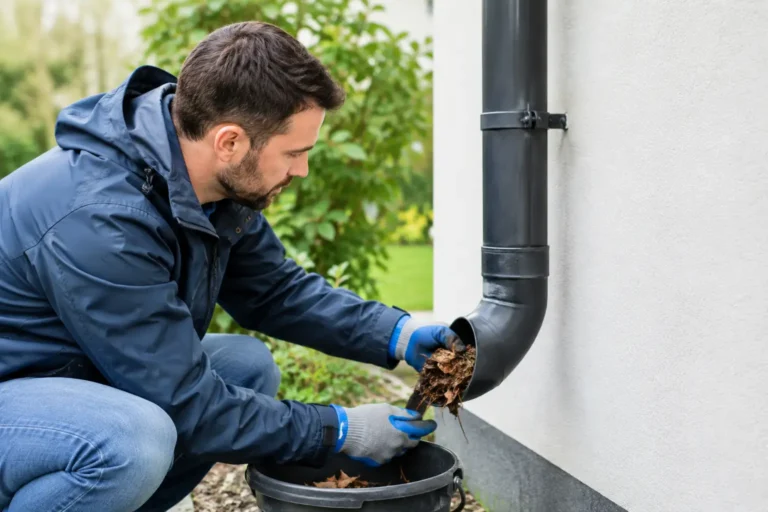
During bushfire season, gutters become vulnerable for a simple reason. They collect dry organic matter, often in places homeowners cannot easily see from the ground. In leafy Sydney suburbs, that can mean a steady build-up of bark, leaves and fine debris over months.
If an ember lands in that material, the gutter can become an ignition point right against the edge of the roof. From there, heat and flame can affect fascia boards, eaves and nearby roof components. Even without open flame, smouldering debris in a gutter is bad news.
This is where gutter guards are genuinely useful. By reducing debris accumulation, they lower the amount of available fuel sitting around the perimeter of the building. That is a practical benefit, not a marketing claim.
What type of gutter guard helps most with embers?
Not all gutter guard systems perform the same way. If ember resistance is one of your concerns, material and fit matter more than broad product claims.
Aluminium mesh is often preferred because it is durable, corrosion-resistant and suited to professional installation across different roof profiles. A fine mesh design can help keep out smaller debris and offer better coverage than wide-opening systems. Plastic or foam-based products are generally a weaker option in high-heat conditions and can create their own maintenance issues over time.
The installation is just as important as the mesh itself. Gaps around edges, poor fixing, sagging sections or badly finished corners can all leave entry points for debris and embers. A quality system should sit neatly, drain properly and be fitted to suit the specific roof and gutter setup, not forced into a one-size-fits-all pattern.
The trade-off most people miss
There is an assumption that once gutter guards are installed, the fire risk disappears. That is not how it works.
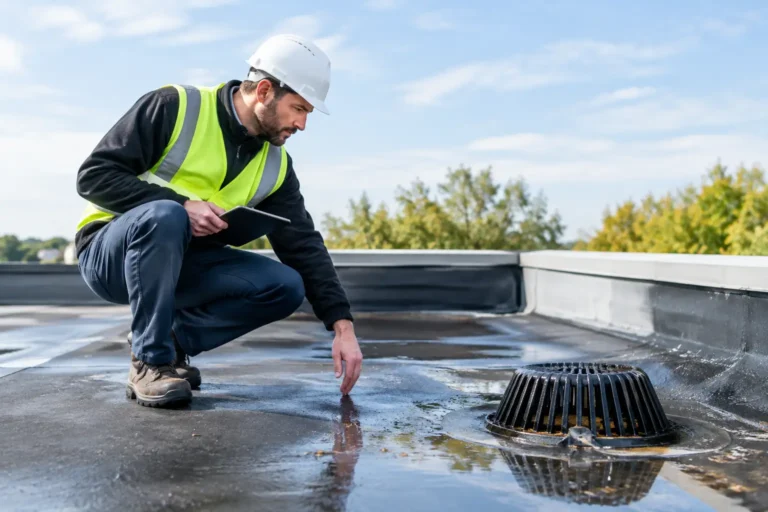
Gutter guards reduce maintenance, but they do not remove the need for it. Fine debris can still gather on top of the mesh. Roof valleys can still collect leaf litter. If overhanging branches continue dropping material across the roof, embers may still find fuel outside the gutter itself.
In other words, the guard helps most when it is part of an overall maintenance approach. Clean gutters before installation, clear the roof surface, and keep checking the property over time. If the roof is neglected, even a premium guard system will have limits.
Where gutter guards help most on Sydney properties
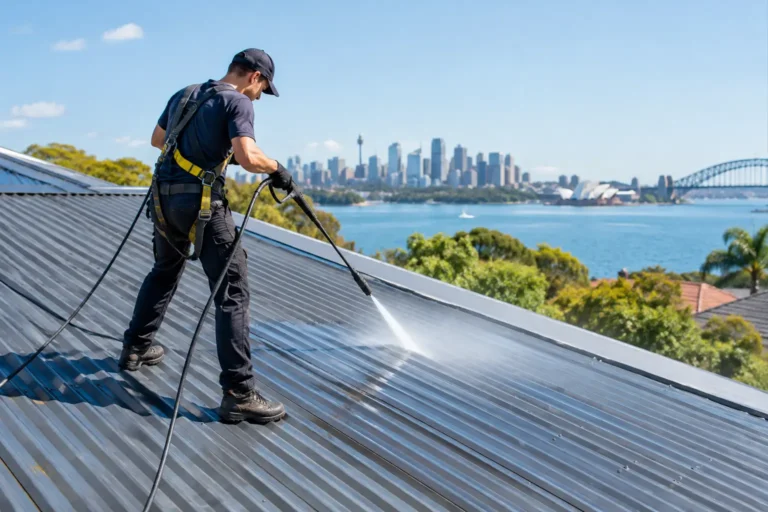
For homes and commercial buildings in Sydney, gutter guards make the biggest difference on properties that deal with regular leaf fall, storm-blown debris and difficult roof access. Those are the buildings where gutters block quickly and where fuel build-up can go unnoticed.
Homes near bushland, reserves or tree-lined streets often benefit the most. So do strata properties and commercial sites where ongoing manual cleaning is harder to coordinate. In these cases, a professionally installed mesh system can improve day-to-day gutter performance while also supporting ember risk reduction.
That said, the surrounding environment still matters. If a property has heavy bark shedding, poor roof drainage or neglected valleys, the system needs to be matched to those conditions. A good installer should assess the roof properly, not just quote a standard guard and move on.
Can gutter guards stop embers in extreme conditions?
In severe ember attack, no honest contractor should tell you that gutter guards alone will stop every ember. Wind strength, building design, roof condition and nearby vegetation all affect what happens during a fire event.
What gutter guards can do is make the gutter line less vulnerable by reducing fuel loads and improving coverage over one of the most exposed collection points on the home. That is a meaningful improvement, especially when combined with routine roof cleaning and sensible property maintenance.
If you are in an area with elevated bushfire exposure, it is worth thinking in layers. Gutters are one layer. Roof cleanliness is another. Vegetation management, compliant building elements and regular inspections also matter. The strongest protection usually comes from several practical measures working together.
Signs your current setup may not be helping
Some properties already have a form of gutter guard installed, but that does not automatically mean the system is doing its job. If debris is piling up in the gutter anyway, if mesh panels are lifting, or if material is collecting heavily on top, the guard may be poorly suited to the roof.
You might also have issues if the guard was installed over dirty gutters without proper preparation. Trapping old leaf matter underneath a new cover does not solve anything. It simply hides the problem until water flow or fire risk becomes worse.
That is why professional preparation matters. A proper service should include clearing existing debris, checking the condition of the guttering and then installing the guard with attention to detail. Visible workmanship counts here, because the small finishing details often decide how well the system performs.
What to look for if ember protection is a priority
If ember risk is part of the reason you are considering gutter guards, ask direct questions. What is the mesh made from? How fine is the opening? How will it be fixed to your roof profile? Will the gutters and roof be cleaned first? How will problem areas such as valleys, corners and transitions be handled?
You are not just buying a product. You are paying for a protection system that depends on correct design, preparation and installation. That is why specialist installers tend to deliver better long-term results than general handyman-style services.
For many property owners, the best outcome is a premium aluminium mesh system installed after a thorough clean, with the roof left tidy and the result clearly documented. That approach gives you the practical benefits people actually care about: less debris, fewer blockages, lower maintenance pressure and a better chance of reducing ember-related fuel around the roofline.
DX Gutter Guard works with Sydney property owners who want that kind of straightforward protection – done properly, with quality materials and clear attention to detail.
The real answer homeowners need
So, can gutter guards stop embers? They can help stop embers from turning gutter debris into a bigger problem, and they can reduce the chances of ember entry in the first place. But their real strength is fuel reduction, not magic fireproofing.
If your gutters regularly fill with leaves, bark and dry rubbish, leaving them exposed is the bigger risk. A professionally installed guard system, backed by proper cleaning and ongoing care, gives your property a better line of defence where it counts. If you are weighing up whether it is worth it, start with the condition of your roof today, because ember risk usually builds quietly long before anyone notices it.