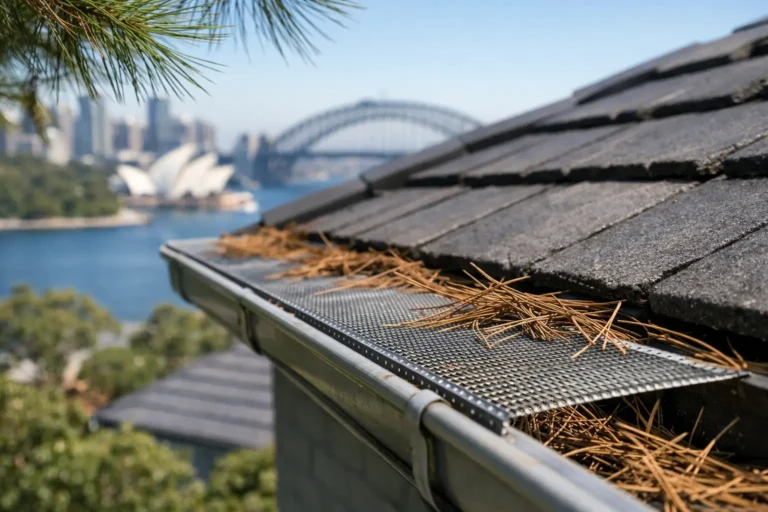
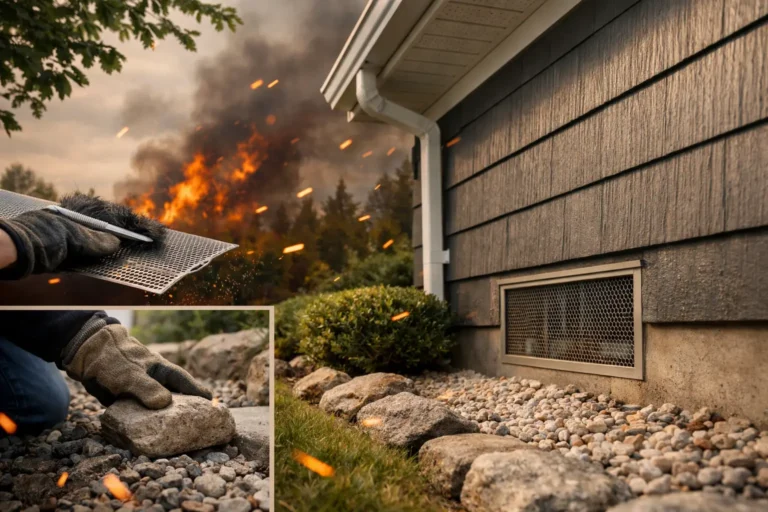
A few dry days, a bit of wind, and suddenly the roof is holding more fuel than most property owners realise. In Sydney’s leafy suburbs, leaf buildup fire risk reduction is not just about keeping things tidy. It is about reducing the amount of dry debris sitting in gutters, valleys and around rooflines where embers can land and ignite.
For many homes and commercial buildings, the problem builds slowly. Leaves collect after a storm. Small twigs follow. Seed pods, bark and fine debris settle in corners and low points. Then summer arrives, everything dries out, and what looked like routine mess becomes a genuine hazard. That is why a proper maintenance plan matters.
Why leaf buildup becomes a fire risk
Dry organic debris is highly combustible, especially when it gathers in places that are hard to see from ground level. Gutters are one of the biggest trouble spots because they trap material, hold it in place and let it dry out over time. Roof valleys are another common issue, particularly on tiled roofs or complex roof designs where debris naturally funnels and settles.
The concern is not only direct flame. In bushfire-prone conditions, ember attack is often the real threat. Small burning embers can travel ahead of a fire front and land in gutters full of leaves, in roof corners, or under accumulated debris near the edge of the roof. If there is enough dry material there, ignition can happen quickly.
For Sydney property owners, this risk is not limited to homes near dense bushland. Any building surrounded by mature trees, overhanging branches or regular storm debris can end up with dangerous accumulation. Even suburban blocks can see heavy leaf load through autumn, winter storms and dry summer periods.
Leaf buildup fire risk reduction starts at roof level
If you want real leaf buildup fire risk reduction, the first step is simple – remove the fuel source. That means more than scooping out visible leaves from the gutter edge. A proper job includes clearing gutters fully, cleaning roof valleys, removing loose debris from the roof surface and checking downpipes so the whole system can drain correctly.
This is where many properties fall short. A quick clean may improve water flow for a while, but if debris is left in corners, behind roof fixtures or around the valley line, the fire risk remains. The same applies if gutters are cleaned but nearby overhanging branches continue to drop material straight back into the system.
Professional cleaning is valuable because it addresses the full picture. It also allows the roof and guttering to be inspected for wear, rust, loose sections or drainage issues that can make accumulation worse over time. In many cases, blocked or poorly pitched gutters hold damp debris longer, then leave behind compacted dry matter once the moisture is gone.
Why cleaning alone is not always enough
Gutter cleaning is essential, but on its own it can become a repeating cycle. If your property sits under heavy tree cover, gutters can refill quickly. Some homes need attention far more often than owners expect, especially after storms or during high-shed seasons.
That is where prevention makes the bigger difference. A quality gutter guard system helps reduce the amount of leaf litter entering the gutter in the first place. It does not eliminate maintenance forever, because no external protection system is completely maintenance-free, but it can reduce debris accumulation significantly and make ongoing upkeep much more manageable.
For fire-conscious property owners, this matters. Less debris in the gutter means less dry fuel available if embers land on the roofline. It also helps protect water flow during storms, which is another major benefit for building health.
Choosing the right gutter protection for fire risk reduction
Not all gutter guards perform the same way. Some cheap plastic or brush-style products can trap debris rather than prevent it, which creates a different version of the same problem. For leaf buildup fire risk reduction, the material, fit and installation quality all matter.
A well-installed aluminium mesh system is generally a stronger long-term option because it is durable, suited to harsh weather and designed to sit securely across the gutter profile. The goal is to keep out the bulk of leaves and larger debris while still allowing water to enter and drain properly.
Installation quality is just as important as the product itself. Poorly fitted guard sections, gaps at edges, loose fixings or badly finished corners can allow debris entry and reduce performance. On some roofs, details around valleys, solar panels, roof penetrations and varying gutter profiles need careful handling. This is why specialist installation is worth it. It helps the system work as intended rather than becoming another maintenance issue.
Areas property owners often miss
When people think about roof debris, they usually picture the gutters only. In practice, several zones can contribute to fire risk and ongoing roof problems.
Roof valleys are a major one because they collect and hold material tightly. Around skylights, solar panels and chimneys, debris can gather in sheltered pockets. Behind parapets or on low-pitch sections, fine leaf matter may sit unnoticed for months. Even the ground below the roofline matters, particularly where dry leaf litter builds up against walls, fencing or garden edging.
If a property has frequent tree drop, reducing fire risk means looking at the whole exterior envelope, not just one section of guttering. A thorough service should reflect that.
Timing matters more than most people think
There is no single perfect schedule for every building. It depends on the amount of surrounding vegetation, roof design, recent weather and the property’s exposure to windblown debris. Still, waiting until summer to think about roof cleaning is often too late.
A better approach is to stay ahead of seasonal buildup. Autumn and post-storm periods are key times to inspect and clean. For properties in heavy leaf zones, multiple checks through the year may be necessary. Commercial sites and strata buildings often benefit from regular scheduled maintenance because the consequences of blocked gutters and fire-prone debris can affect more people and larger roof areas.
The right frequency is a case-by-case decision. A single-storey home with limited tree cover may need less attention than a large home tucked under gum trees. The point is not to over-service a property. It is to match maintenance to actual risk.
Professional work reduces more than one risk
Most customers first think about fire danger, but debris control also helps with water damage, pest activity and roof wear. Blocked gutters can overflow into fascias, eaves and wall cavities. Damp buildup can contribute to corrosion or deterioration. Debris can also attract birds, insects and vermin looking for nesting material.
That overlap is one reason professional gutter and roof maintenance offers strong value. You are not solving one problem in isolation. You are reducing a cluster of avoidable issues with one coordinated approach.
For property owners who want fewer surprises, visible quality matters too. Proper site cleanup, clear communication and before-and-after roof photos make a difference because they show the job has been done thoroughly. In a high-trust service, that level of care is not an extra. It should be standard.
What a practical fire-conscious maintenance plan looks like
A sensible plan usually starts with a professional inspection and full clean, especially if the property has not been serviced recently. From there, the next step depends on what the roof is dealing with. Some properties simply need regular maintenance. Others are better suited to a longer-term protective system that reduces ongoing debris entry.
If there is persistent leaf drop, overhanging branches or repeated gutter blockages, installing a premium gutter guard system is often the smarter move. It can lower maintenance demands and improve year-round protection. If the existing roof or gutter condition needs attention first, that should be addressed before any guard installation goes ahead.
For Sydney homes and buildings, the best results usually come from combining thorough cleaning with durable prevention. That is the practical balance – not pretending the roof will never need attention again, but putting measures in place that reduce risk, reduce mess and improve reliability over time.
At DX Gutter Guard, that is the focus: protection that works in the real world, with specialist installation, proper preparation and workmanship that gives property owners confidence in the result.
If your gutters are collecting leaf litter faster than you can keep up with it, or your roofline has become one more thing to worry about each summer, it is worth dealing with it before the next hot spell turns a maintenance issue into a safety concern.