Blocked gutters rarely announce themselves politely. Most property owners only notice the problem after an overflow in heavy rain, a garden bed washed out, or leaf build-up sitting on the roof through another dry Sydney summer. This gutter guard installation guide explains what proper installation should involve, what can go wrong when corners are cut, and how to choose a system that actually reduces maintenance over time.
For homes and commercial properties in Sydney, gutter protection is not just about convenience. It is about managing water flow, reducing debris build-up, protecting rooflines, and lowering the risk that comes with dry leaves collecting around the home. The quality of the product matters, but the quality of the installation matters just as much.
What a gutter guard installation guide should really cover
A lot of advice online makes installation sound simple – measure the gutter, lay the mesh, fix it in place, and move on. In practice, every roof has its own challenges. Gutter profiles vary, roof pitches change, valleys collect debris differently, and older roofs often need cleaning or minor preparation before any guard goes down.
A proper installation starts with the condition of the roof and gutters as they are now. If the gutters are already full of sludge, if downpipes are partially blocked, or if brackets are loose, covering the system without dealing with those issues first only hides the problem. Good installation protects the home because it begins with preparation, not because mesh is added quickly.
Before installation, the roof and gutters need to be ready
The first step is a full clean. That means removing leaf litter, dirt, nesting material and built-up debris from the gutters, roof surface and problem areas such as valleys. Downpipes should be checked as well. If water cannot move freely through the system, gutter guard will not solve the underlying issue.
This part often gets underestimated. A premium mesh installed over dirty gutters is still a poor result. Debris left underneath can hold moisture, affect drainage and create future maintenance problems that are harder to see. That is why professional installation should always include cleaning and inspection before the guard is fixed in place.
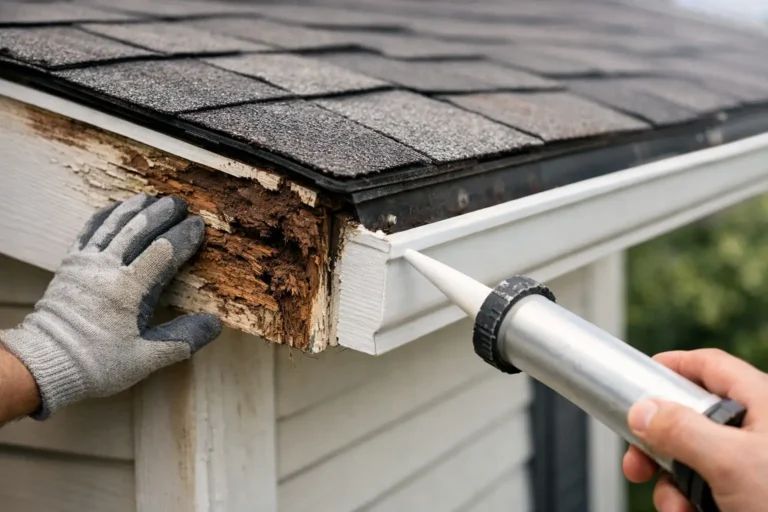
It is also the right time to identify anything else that may affect performance. Rusted sections, damaged guttering, loose components and poor fall all need attention. Sometimes the fix is straightforward. Sometimes it shows that installation should wait until repairs are completed. Either way, it is better to know upfront than after the mesh is on.
Choosing the right mesh and fixing method
Not all gutter guard systems perform the same way. Material quality, mesh aperture, edge finish and how the product is secured all affect the result. For Sydney conditions, durability matters. Heat, storms, wind-blown debris and seasonal leaf drop all put pressure on the system.
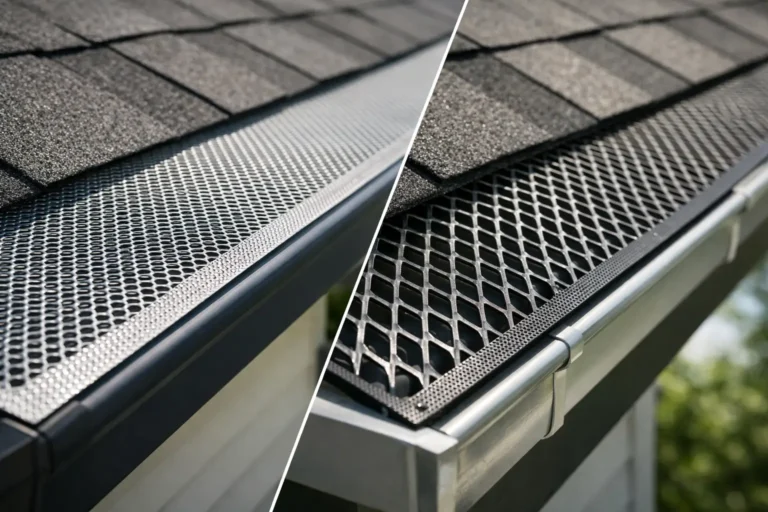
Aluminium mesh is a popular choice for good reason. It is lightweight, corrosion resistant and well suited to long-term exterior use when installed correctly. A quality mesh should sit firmly, allow water to enter the gutter, and help shed leaves and larger debris from the roofline rather than trapping them.
The fixing method is just as important. If the mesh is loosely attached, unsupported in key spans, or forced into a shape that does not suit the gutter profile, it can lift, sag or underperform. The right fit depends on the roof edge, gutter type and how water naturally flows off that section of the roof. There is no single approach that suits every property.
Why one-size-fits-all installation often fails
A common issue with rushed jobs is treating every section of the roof the same. Straight runs may be simple, but corners, valleys, box gutters and tricky transitions need more care. If those sections are not planned properly, they become the weak points where debris gathers or water behaviour changes.
This is where specialist experience makes a difference. An installer who works on gutter protection systems every day is more likely to spot where extra support, tailored cuts or a different fixing approach is needed. The result is not just a cleaner finish. It is a system that is more reliable in real conditions.
The gutter guard installation process step by step
A practical gutter guard installation guide should give you a clear picture of what happens on site. In most cases, the process begins with access and safety setup. Working at roof height carries obvious risks, so the method needs to suit the property, roof pitch and surrounding access points.
The roof and gutters are then cleaned thoroughly. Debris is removed, gutters are cleared, and downpipes are checked for free flow. At this point, any obvious issues with the gutter line or roof edge should be identified and discussed.
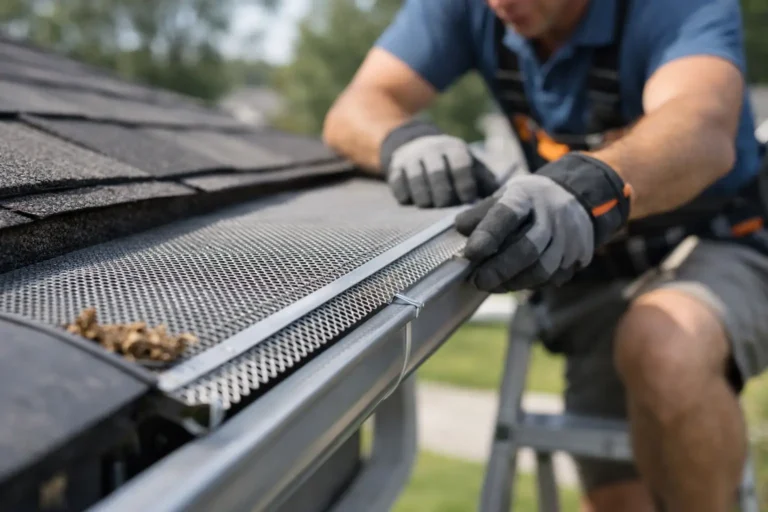
Next comes measuring and preparing the mesh for each section. This is where accuracy matters. Clean cuts, proper overlap and secure edges all contribute to long-term performance. The mesh is then fitted and fixed to suit the roof and gutter profile, making sure it sits correctly without restricting water entry.
After installation, the site should be cleaned up properly. Loose offcuts, removed debris and any rubbish from the work should be taken away. Many customers also value before-and-after photos because they provide clear proof of the work completed, especially on areas of the roof that are not easy to inspect from the ground.
Where installation quality shows up later
The real test of any gutter guard system happens after the installers leave. Heavy rain, strong wind and months of falling leaves will show whether the system was fitted with care. If water overshoots because the angle is wrong, if debris catches in poorly finished joins, or if sections shift over time, the problem usually traces back to installation quality rather than the idea of gutter guard itself.
That is why cheaper quotes are not always the cheaper option in the long run. If a job skips cleaning, uses lower-grade materials or rushes the fitting, you can end up paying again for corrections, extra maintenance or damage caused by poor drainage. For most property owners, the goal is simple – install it once, install it properly, and reduce future headaches.
A gutter guard installation guide for Sydney conditions
Sydney homes deal with a mix of challenges. Leafy suburbs can drop a surprising amount of debris into gutters. Storm season can wash branches, bark and fine material across roofs in a single afternoon. In some areas, dry organic build-up is also a fire risk that should not be ignored.
That is why local experience matters. An installation approach that works on a simple, open suburban roof may not suit a property surrounded by tall trees or exposed to regular wind-blown debris. The best system is the one matched to the property, installed cleanly, and supported by proper preparation.
For homeowners and property managers, this usually comes down to asking the right questions. Is the roof cleaned first? Are downpipes checked? Is the mesh suited to the property? Is the installer focused on long-term performance, not just finishing the job quickly? Those details tell you a lot about what kind of result to expect.
Professional installation versus DIY
Technically, some gutter guard products can be installed as a DIY job. That does not always mean they should be. Roof access is the first issue. Safety alone is enough reason for many property owners to leave the work to trained professionals.
Then there is the quality of the outcome. DIY installation often misses the cleaning and inspection stage, and it can be difficult to get neat, secure fitting around tricky sections. If the goal is genuine protection and reduced maintenance, professional installation usually delivers better value because the system is prepared, fitted and checked properly from the start.
For commercial sites, strata properties and larger homes, professional installation is even more important. The complexity is higher, and so is the cost of getting it wrong.
What to expect from a reliable installer
A reliable installer should be straightforward about the condition of your gutters, clear about the scope of work, and realistic about what gutter guard can and cannot do. No system eliminates maintenance forever. Fine dust and small particles can still collect over time, and some roofs need occasional follow-up attention depending on their surroundings.
What a well-installed system should do is reduce the frequency of gutter cleaning, improve water management and make ongoing maintenance much more manageable. It should also come with workmanship confidence, responsive communication and visible care taken with your property.
That service-first approach is what separates a specialist from a general handyman. Companies such as DX Gutter Guard focus on the full result – preparation, installation quality, clean-up and long-term performance – because that is what property owners are really paying for.
If you are comparing options, look beyond the mesh itself. Ask how the job will be prepared, how the system will be fitted, and what standard of finish you can expect. A gutter guard system should give you peace of mind, not another item to monitor after every storm.
The best time to deal with blocked gutters is before they become expensive. A properly installed system will not fix every roofing issue, but it can take a major recurring problem off your plate and protect the property where it counts.