When it comes to maintaining a home, ensuring the proper functionality of the gutters is vital. One of the common solutions homeowners seek is the installation of downpipe leaf guards. These guards are designed to prevent leaves and debris from entering the gutters and downspouts, thereby promoting effective gutter protection. In this article, we will explore how these leaf guards work, their effectiveness during heavy rainfall, and whether they truly serve the purpose they are intended for.
How Do Leaf Guards Work to Prevent Debris in Gutters?
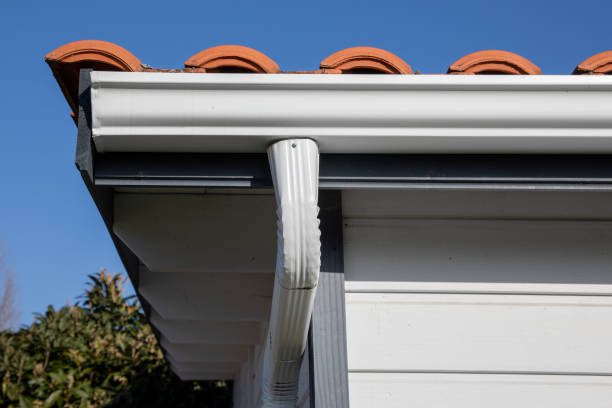
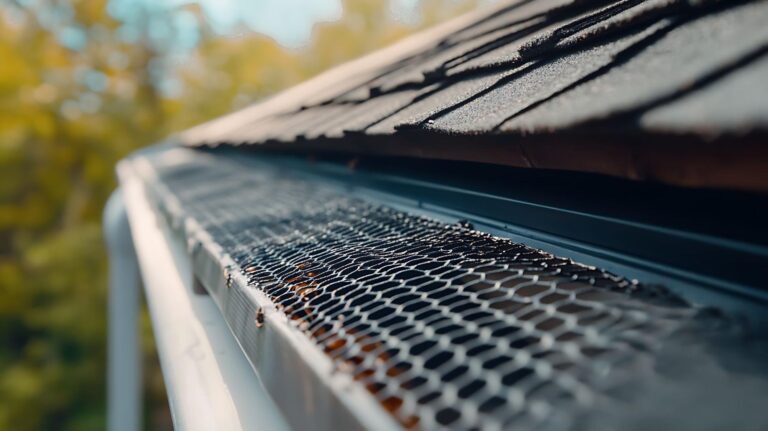
Leaf guards work by creating a barrier that prevents leaves and debris from entering the gutters. These guards are designed to allow rainwater to flow freely while blocking larger objects that could cause blockages. The fundamental principle behind these guards is to keep the gutters clear, thus preventing water overflow and ensuring the effective drainage of rainwater away from the home. By installing downpipe leaf guards, homeowners can significantly reduce the frequency of gutter cleaning, as these guards help maintain the gutters in good condition through various weather conditions.
Different types of mesh are used in the construction of leaf guards, each designed with specific functionality in mind. Some guards feature a fine mesh that is particularly effective at blocking small debris, while others utilise a coarser mesh that allows for quicker water flow. The choice of mesh can determine how effective the gutter guard is at preventing blockages. Homeowners should consider the local environment when selecting the best guard for their home, as factors such as the types of trees nearby can influence the kind of debris that may enter the gutters. A great product should ideally combine durability with effectiveness to ensure long-term gutter protection.
Not all gutter guards fit every type of gutter, and this is crucial for homeowners to understand. The compatibility of the guard with the existing gutter system can affect its performance. Some guards are designed specifically for certain types of gutters, while others may be more universal. It’s essential to measure the dimensions of your gutters and consult with a professional or a product guide to ensure that the selected downpipe leaf guards fit correctly. Ensuring a proper fit means that the guards will effectively block debris and reduce the likelihood of overflow during heavy rainfall.
Can Downspout Guards Really Block Debris from Entering?
Installing downspout guards can provide several benefits for homeowners. Firstly, they help to block debris from entering the downspouts, which is a common area for blockage. By preventing leaves and debris from entering the downspouts, these guards can reduce the risk of water overflow, which can cause significant damage to the foundation of a home. Additionally, downspout guards can make gutter cleaning simpler and less frequent, allowing homeowners to spend less time maintaining their gutters and more time enjoying their homes.
Blocked downspouts can lead to a range of issues, including water damage to the roof and walls of a home, the formation of ice dams during winter, and even pest infestations. When water cannot flow freely through the downspout, it can cause backflow into the gutters, leading to overflow and potentially damaging the structure of the home. Regular maintenance and the installation of effective gutter and downspout guards can significantly mitigate these risks, ensuring that water flows as intended and preventing costly repairs down the line.
The effectiveness of downpipe leaf guards during heavy rainfall is a critical aspect to consider. While these guards are designed to allow water to flow while blocking debris, heavy downpours can test their limits. Homeowners should look for guards that are specifically rated for high water flow capacity. Full gutter guards that are designed to handle significant amounts of rainfall can help ensure that even during intense storms, the water is diverted properly away from the home without causing overflow. It’s essential to select a guard that has a proven track record in heavy rainfall scenarios to ensure optimal performance.
What Are the Best Gutter Guards for Homeowners?

When comparing different types of gutter guards, homeowners should consider factors such as material, design, and installation ease. Some guards use a solid surface that directs water flow while blocking debris, while others use a mesh design. Each type has its pros and cons, so understanding the specific needs of your home is crucial. Homeowners should also consider their local weather patterns and the type of foliage nearby when selecting the best guard for their home. The right choice can significantly enhance the effectiveness of gutter protection and minimise maintenance needs.
Cost-effective solutions for gutter protection can vary widely based on material and design. Homeowners looking for budget-friendly options should consider simpler mesh guards or even DIY solutions that can be effective in preventing larger debris from entering the gutters. While more expensive options may offer advanced features, it’s essential to evaluate whether these features are necessary for your specific situation. A well-informed choice can lead to substantial savings in maintenance and potential gutter repair costs in the future.
Choosing the right leaf guard for your home involves assessing your unique needs. Consider the type of gutter you have, the typical debris in your area, and your budget for installation. Consulting with a professional can provide insights into which guards are most effective for your specific situation. It’s crucial to ensure that the guards fit well, as improper installation can lead to issues such as water overflow or blockages that these guards are meant to prevent. By doing thorough research and planning, homeowners can make an informed decision that will protect their gutters effectively.
Do Gutter Guards Still Require Maintenance?
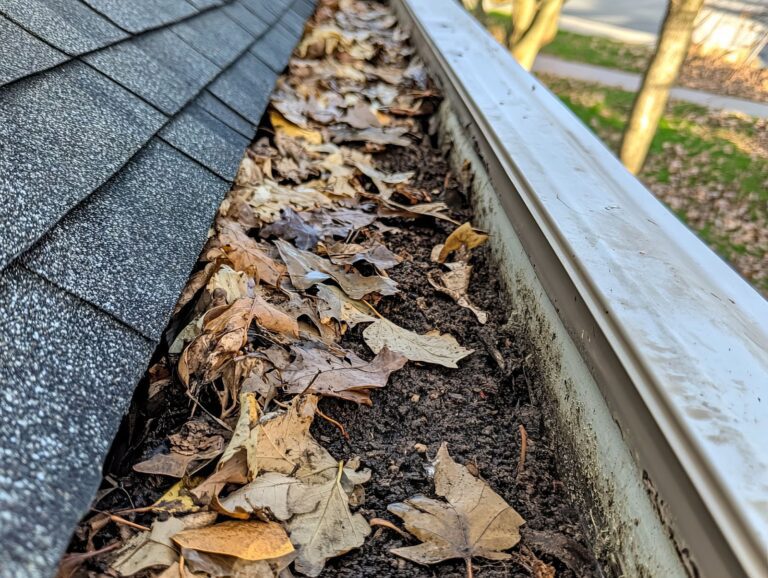
Even with the installation of gutter guards, periodic maintenance is still necessary. Homeowners should plan for gutter cleaning at least once a year, or more frequently in areas with heavy foliage. While leaf guards help to minimise the amount of debris that enters the gutters, some build-up can still occur, particularly if the guards are not functioning as intended. Regular inspections and cleaning can prevent issues such as blockages and overflow, ensuring that the gutters remain in good condition.
There are several signs that indicate your gutter guards may need repair. If you notice water overflowing from the gutters during rainstorms, it could mean that the guards are blocked or damaged. Additionally, if you see debris accumulating in the gutters despite having guards in place, it may indicate that they are not functioning correctly. Regularly checking the condition of your guards is essential to ensure they are doing their job and preventing potential damage to your home.
If water overflow occurs, it’s crucial to take immediate action to assess the problem. Start by inspecting the gutters and downspouts for blockages or damage. If your downpipe leaf guards are not working as intended, you may need to clean them or consider replacing them with a more effective product. Calling a professional service can also help to resolve persistent issues, especially if the overflow leads to water damage. By addressing these problems promptly, homeowners can maintain the integrity of their gutter system and prevent further damage.
Are There Any Downsides to Installing Gutter Leaf Guards?
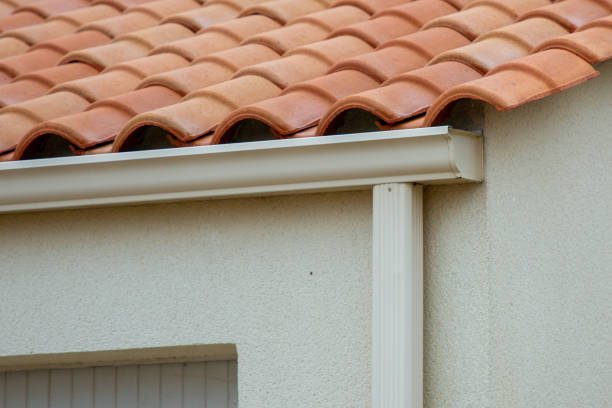
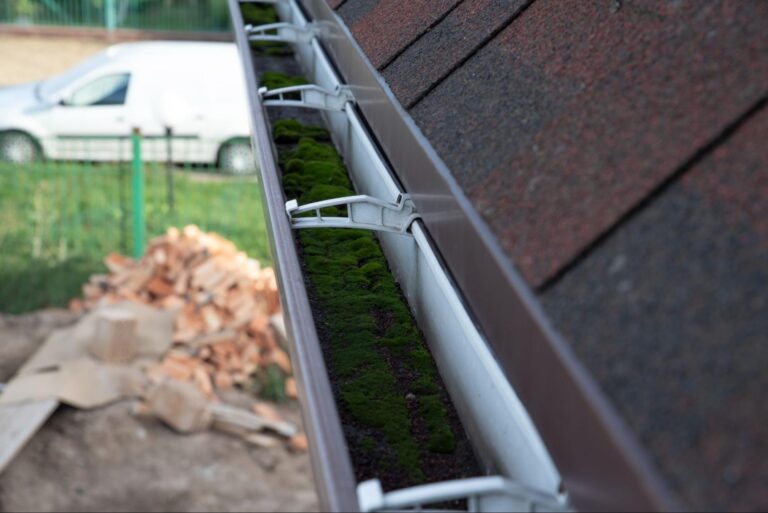
One of the downsides to installing gutter leaf guards is the potential for moss and algae build-up. While these guards are designed to prevent debris from entering the gutters, stagnant water can accumulate on the guard surface, leading to the growth of moss and algae. This build-up can obstruct water flow and may necessitate additional cleaning. Homeowners should be aware of this possibility when selecting a guard and consider products that facilitate water drainage to minimise this issue.
Another concern with gutter leaf guards is the potential attraction of pests. In some cases, the design of certain guards may create a habitat for insects or small animals. It’s important for homeowners to choose guards that are designed to deter pests and ensure that there are no areas where debris can accumulate, providing a breeding ground for unwanted guests. Regular maintenance and inspections can help identify any pest problems early on, allowing for timely interventions.
When considering the installation of gutter guards, homeowners should evaluate the cost against the peace of mind that comes with having a reliable gutter protection system. While the initial investment may seem considerable, the long-term savings in maintenance and potential repair costs can make it worthwhile. Additionally, the assurance that your home is protected against water damage and the need for frequent gutter cleaning can provide valuable peace of mind. Ultimately, making an informed decision based on personal circumstances will lead to the best outcome for your gutter protection needs.
Conclusion
Downpipe leaf guards can be effective in keeping your gutters clear of debris. They work by preventing leaves and other materials from entering your downspouts, which reduces the need for frequent cleaning. However, their effectiveness can vary based on design and weather conditions. Some users have reported that while these guards help minimise clogs, they may still require occasional maintenance, especially after heavy rains. Overall, choosing the right type of leaf guard for your home can lead to less hassle and better protection for your gutter system.