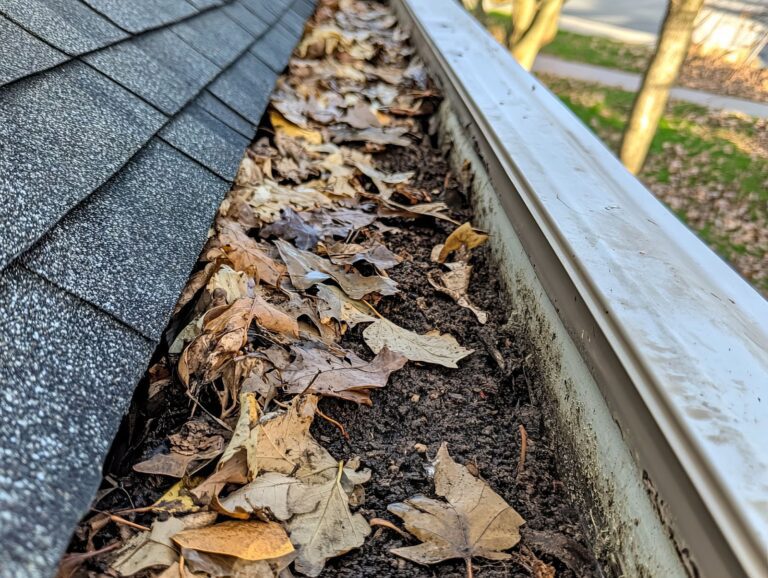
Keeping your gutters clean and free from debris is crucial for maintaining the integrity of your home. Clogged gutters can lead to water damage, pest infestations, and even structural issues. A DIY gutter brush guard is a practical solution that can help homeowners effectively manage the accumulation of leaves, twigs, and other debris. This article will explore the functionality, installation process, and maintenance tips for gutter brush guards, along with a comparison of various gutter cleaning tools available on the market.

What is a Gutter Brush Guard and How Does It Work?
A gutter brush guard is a simple yet effective solution designed to keep your gutters clean. It consists of a cylindrical brush made from durable bristles that fit snugly into the gutter channel. When installed, the brush fills the entire width of the gutter, allowing water to flow freely while preventing leaves and debris from entering. The design of the brush allows it to block larger debris, such as twigs and leaves, while simultaneously allowing rainwater to pass through, ensuring that your gutters remain functional during heavy rainfall. The bristles create a barrier that effectively keeps your gutters clear of unwanted materials, significantly reducing the need for frequent gutter cleaning.
There are numerous benefits to incorporating a gutter brush guard into your gutter protection system. First and foremost, these guards are easy to install and do not require any special tools or skills. making them an excellent DIY project for homeowners. Moreover, they are designed to be durable, with materials such as stainless steel and galvanised steel wire core, ensuring longevity against rust and wear. By preventing blockages, gutter brush guards help maintain optimal water flow, reducing the risk of overflow and potential damage to your home’s foundation. Additionally, they can deter pests and birds from nesting in your gutters, further enhancing your home’s protection.
When considering a gutter brush guard, it’s essential to understand the various types available on the market. These include standard gutter brushes, which are typically cylindrical and come in various diameters to fit different gutter sizes, including regular and long gutters. There are also specialized gutter guard brushes designed for specific applications, such as mesh gutter guards that combine bristle technology with a fine mesh to offer enhanced debris prevention. Furthermore, some products come in packs, such as a 5 pack of gutter brushes, allowing homeowners to cover multiple sections of their gutter system efficiently. Each type offers unique features tailored to different homeowner needs, so it’s critical to assess which option aligns best with your requirements.
How to Install a DIY Gutter Guard for Effective Gutter Cleaning?

Installing a DIY gutter brush guard is a straightforward process that requires minimal tools. Before starting the installation, gather the essential tools, including a sturdy ladder, gloves for protection, and a pair of scissors to cut the brush to the desired length. Depending on the type of gutter brush guard you choose, you may also need brackets to secure the brushes in place. It’s advisable to have a gutter cleaner tool handy to help remove any existing debris before installation. By preparing these tools in advance, you will streamline the installation process and ensure a successful outcome.
The installation of a gutter brush guard involves a few simple steps. First, safely position your ladder to access the gutters. Once you are at a comfortable height, inspect the gutters for any debris and clean your gutters thoroughly to ensure optimal performance. Next, measure the length of the gutter channel where you will install the brush guard. Cut the brush to fit within the gutter, leaving a little extra length to ensure a snug fit. Finally, insert the gutter brush into the channel and secure it using brackets if necessary. Repeat this process for each section of your gutter system, ensuring that the bristles create a barrier to prevent leaves and debris from clogging the downpipes. After installation, it’s a good practice to test the water flow by running a hose through the gutters to confirm that rainwater can pass through freely.
While installing a DIY gutter brush guard is relatively simple, there are common mistakes that homeowners should avoid. One frequent error is not cleaning the gutters thoroughly before installation, which can lead to trapped debris and blockages. Additionally, mismeasuring the length of the brush can result in poor fitting, reducing the guard’s effectiveness. It’s also crucial to ensure that the brush is securely placed within the gutter to prevent it from shifting over time. Lastly, neglecting to check the water flow after installation can lead to unexpected issues during rainstorms. By being mindful of these potential pitfalls, you can ensure that your gutter brush guard performs effectively.
How to Maintain Your Gutter Brush Guard for Optimal Performance?
To ensure that your gutter brush guard continues to perform effectively, regular maintenance is key. Homeowners should check their gutters at least twice a year, ideally during spring and fall, to remove any accumulated debris. During these inspections, use a gutter cleaner tool to gently remove leaves and twigs that may have settled on top of the brush guard. If you notice any significant buildup, it’s essential to clean the brush thoroughly to restore its effectiveness. Additionally, if you live in an area with heavy tree cover, you may need to inspect your gutters more frequently to prevent blockages from forming.
While gutter brush guards are designed to be durable, they will eventually need replacement. Signs that your gutter brush requires replacement include frayed bristles, visible rust, or significant debris buildup that cannot be cleared through regular maintenance. If you notice that your gutters are overflowing during rainstorms or that water is pooling around your home, it may indicate that the brush guard is no longer functioning effectively. In such cases, it’s essential to replace the gutter brush to ensure continued protection for your home.
Preventing blockage and debris accumulation is crucial for maintaining a functional gutter system. In addition to installing a gutter brush guard, homeowners can take proactive steps to minimise debris entering their gutters. This includes trimming overhanging branches to reduce leaf drop and installing a mesh leaf guard in conjunction with the gutter brush for enhanced protection. Regularly inspecting and cleaning the area around the gutters will also help prevent debris from accumulating. By implementing these practices, you can keep your gutters clean and clear, ensuring optimal water flow during rain events.
What Are the Best Gutter Cleaning Tools for Homeowners?

When it comes to gutter cleaning tools, there are several highly rated options available for homeowners. Popular tools include extendable gutter cleaning wands that allow for easy access to hard-to-reach areas, as well as specialized gutter cleaning vacuums designed to efficiently remove debris without climbing a ladder. Other effective tools include gutter scoops for manual removal of debris and hose attachments that can flush out residual dirt and silt. Investing in quality gutter cleaning tools can significantly simplify the maintenance process, ensuring that your gutter system remains in optimal condition.
For homeowners interested in DIY solutions, there are several tools that can be easily assembled or purchased to assist with gutter maintenance. Simple options include a homemade gutter cleaning tool using a plastic bottle to create a suction effect or a long-handled broom to reach high areas. Additionally, using a garden hose with a high-pressure nozzle can help dislodge stubborn debris. These DIY tools can be effective and cost-efficient, allowing homeowners to maintain their gutters without the need for professional services.
Choosing the right gutter cleaning tools depends on several factors, including the size of your home, the type of gutters you have, and your comfort level with DIY projects. When selecting tools, consider the height of your gutters and whether you feel comfortable using a ladder. Look for tools that offer versatility and ease of use. It’s also wise to read reviews and seek recommendations from other homeowners. By considering these factors, you can select gutter cleaning tools that will effectively meet your maintenance needs.
Conclusion
In conclusion, a DIY gutter brush guard is a simple yet effective solution to keep your gutters free from leaves, debris, and other obstructions. By installing a brush guard, you can save yourself the time and hassle of cleaning your gutters regularly. Not only does this prevent clogs and water damage, but it also helps to maintain the overall health and appearance of your home. So, if you’re looking for a reliable and affordable way to protect your gutters, consider adding a DIY brush guard to your home improvement to-do list.
Contact Us
Do you have questions about our DIY gutter brush guards or need assistance with your order? Our friendly team is here to help! Feel free to contact us . We’re committed to providing exceptional customer service and ensuring your complete satisfaction.