A gutter full of dry leaves can turn a small maintenance issue into a serious property risk. Ember guards are designed to stop leaf litter, twigs and other combustible debris collecting in gutters, while still allowing rainwater to drain away. For Sydney homes near bushland, beneath large trees or exposed to seasonal winds, that protection can make a meaningful difference.
They are not a replacement for a complete bushfire protection plan or a compliant building assessment. They are, however, a practical part of reducing the fuel that can build up around your roofline – while also cutting down the constant cycle of blocked gutters, overflow and cleaning.
What are ember guards?
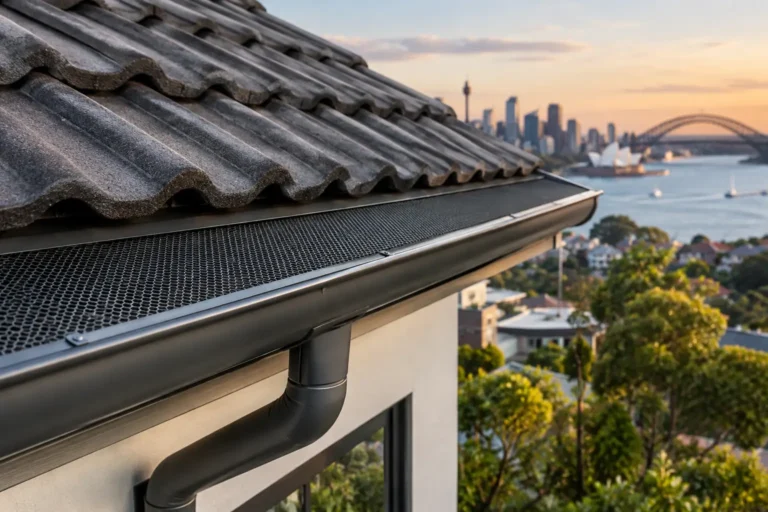
Ember guards are gutter protection systems designed to cover the gutter opening with a fine, durable mesh. The mesh acts as a barrier over the gutter, helping to prevent leaves, bark, seed pods and roof debris from falling inside. At the same time, it allows rainwater to pass through into the gutter and downpipes.
The term is often used when gutter guards are installed with bushfire ember protection in mind. During a bushfire, burning material can travel well ahead of the fire front. If embers land in dry debris trapped in an open gutter, they may ignite. A properly selected and installed mesh system helps reduce the amount of debris available to burn.
For most property owners, the everyday benefit is just as valuable. Cleaner gutters mean less chance of water spilling over the edge during heavy rain, staining exterior walls, affecting fascias or pooling near the building. The right system protects against both daily leaf buildup and the risks that come with dry, neglected gutters.
Why gutters need attention in bushfire-prone areas
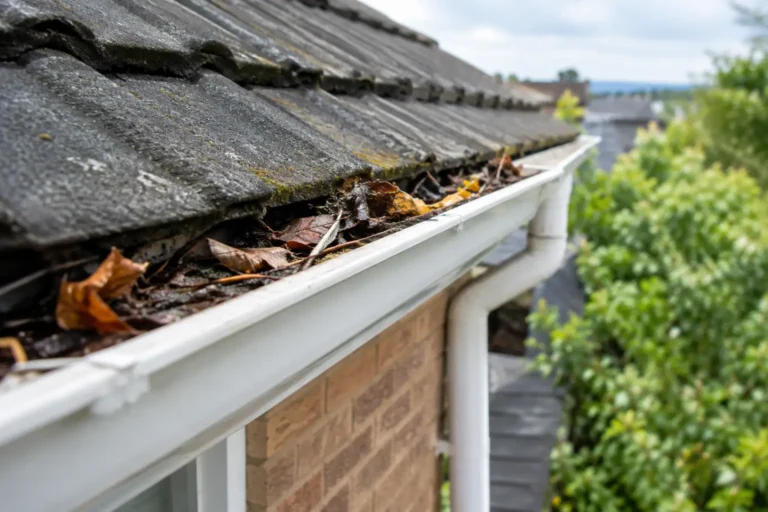
Gutters sit out of sight, which makes them easy to overlook until a storm exposes the problem. In leafy Sydney suburbs, debris can build up quickly after wind, rain or a hot, dry spell. A few branches and leaves may not look like much from the ground, but over time they form dense material that holds moisture in winter and dries into fuel in warmer weather.
Bushfire risk is not limited to homes directly bordering bushland. Properties in suburban streets can still be exposed to wind-blown embers, especially where there are nearby reserves, mature trees or dry vegetation. The roofline is one of the areas where debris tends to gather, including gutters, valleys and around roof penetrations.
An ember guard helps address one of those vulnerable areas by keeping the gutter cavity clearer. It will not make a property fireproof, and it cannot solve hazards such as overhanging branches, combustible landscaping or damaged roofing. Its value comes from reducing a common source of fuel and making regular maintenance more manageable.
Ember protection is not one-size-fits-all
The correct approach depends on your property, roof design and location. Homes in designated bushfire-prone areas may have specific construction requirements based on their Bushfire Attack Level, often referred to as BAL. Mesh type, aperture size and installation details can matter where compliance is required.
A general-purpose gutter guard should not be assumed to meet every bushfire construction requirement. Before installing protection for a new build, renovation or a home subject to BAL conditions, obtain advice that applies to your site and building requirements. A professional gutter guard installer can assess the roof and explain suitable options, but formal compliance requirements may also involve your builder, certifier or bushfire consultant.
The difference a quality mesh system makes
Not all gutter protection performs the same way. Cheap plastic products can become brittle under harsh sun, lift in strong winds or create places for debris to catch. Poorly fitted mesh may sag, leave gaps at the roof edge or interfere with water flow when rain is heavy.
A premium aluminium mesh gutter guard is built for long-term exterior use and can be shaped and secured to suit the roofline. The goal is not simply to lay material over the gutter. It is to create a tidy, secure cover that directs leaves away while allowing water to enter the system efficiently.
Installation quality is especially important around valleys, corners, box gutters and roof sections where water moves quickly. These areas need careful preparation and fitting so the mesh does not become a new point of blockage. The roof pitch, gutter condition, surrounding trees and type of roofing all influence the right installation method.
At DX Gutter Guard, the work begins with cleaning the roof and gutters before the mesh is fitted. There is little value in sealing existing debris beneath a new guard. Removing built-up leaf litter first gives the system the best chance to perform as intended and gives the installer a clearer view of any issues that need attention.
What ember guards can and cannot do
A well-installed guard reduces maintenance, but it does not eliminate it altogether. Fine dust, pollen and small organic material can still settle on top of the mesh, particularly under dense trees. In very heavy rain, leaves already sitting on a roof can also wash towards the gutter line.
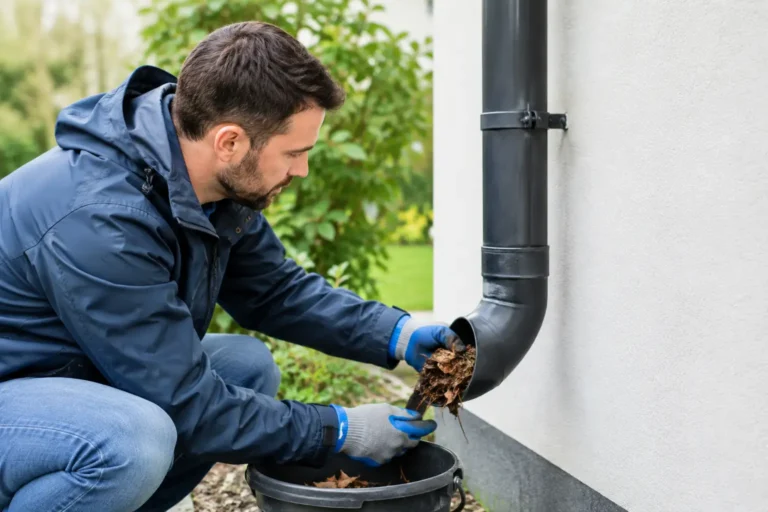
That means periodic inspections remain worthwhile. From the ground, look for visible debris along the roof edge, overflowing water during rain, sagging mesh or downpipes that appear to be blocked. If access requires climbing onto the roof, it is safer to arrange a professional inspection rather than take unnecessary risks.
Ember guards also cannot repair gutters that are rusted through, incorrectly pitched or pulling away from the fascia. They work best as part of a sound roof drainage system. If there are signs of damage, those issues should be addressed before installation.
The trade-off is straightforward: a quality system has an upfront cost, and no mesh can guarantee zero maintenance. In return, property owners can significantly reduce the debris entering their gutters, avoid many unnecessary cleans and lower the chance of overflow-related damage and dry fuel buildup.
Choosing the right system for your roof
Start with the conditions around the property. A home surrounded by gum trees has different needs from a commercial building with broad metal roofing and limited tree cover. Consider how often leaves fall, whether the property receives strong wind, how accessible the roof is and whether bushfire planning requirements apply.
Material matters as well. Aluminium mesh offers a durable option for Australian conditions and is well suited to a professional, tailored installation. It should be securely fixed and finished so that it suits the roof profile without compromising drainage.
Preparation should be included in the scope of work. Ask whether the installer will clean roof valleys, gutters and downpipes first, remove rubbish from site and inspect the existing gutter condition. Before-and-after photos are also useful because they show exactly what was cleared and how the finished guard sits along the roofline.
For commercial properties and strata sites, maintenance planning is equally important. A guard system can reduce the frequency of gutter cleaning, but it should sit within a sensible inspection schedule. This is particularly useful for buildings where roof access is difficult and an unexpected blockage can disrupt tenants or create costly water damage.
Keep the whole roofline working together
The best results come from treating gutter protection as part of broader property care. Trim back overhanging branches where appropriate, keep roof valleys clear, check downpipes and ensure rainwater has somewhere to drain once it reaches the ground. After major wind events, a visual check can identify loose branches or debris before the next downpour.
For homeowners concerned about ember exposure, it is also worth looking beyond the gutters. Leaf litter against walls, debris under decks and combustible materials stored close to the home can all add to risk. A cleaner roofline is a strong practical starting point, not the only measure.
If your gutters are regularly filling with leaves or your property is exposed to bushland debris, professional ember guard installation can provide practical, long-term protection. A careful inspection and properly prepared installation will give your roof drainage system the best chance to stay clean, clear and ready when Sydney weather turns.