When it comes to maintaining a home, understanding the various components of your gutter system is essential for effective rainwater management. Homeowners often wonder whether downpipe leaf guards and gutter guards serve the same purpose. This article talks about the distinctions and functionalities of these two types of guards, emphasising their benefits and how they contribute to a comprehensive gutter protection system.
What Are Gutter Guards and How Do They Work?

Gutter guards are designed to enhance the functionality of gutters by preventing debris from entering the system. They serve as a filter or cover that sits atop the gutters, allowing rainwater to flow while blocking leaves, twigs, and other potential blockages. These systems are particularly useful for homeowners who want to minimise gutter cleaning, especially in areas where falling debris, such as pine needles, is a common concern. By investing in an effective gutter guard, homeowners can enjoy a more efficient rainwater management system, reducing the frequency of maintenance and repair.
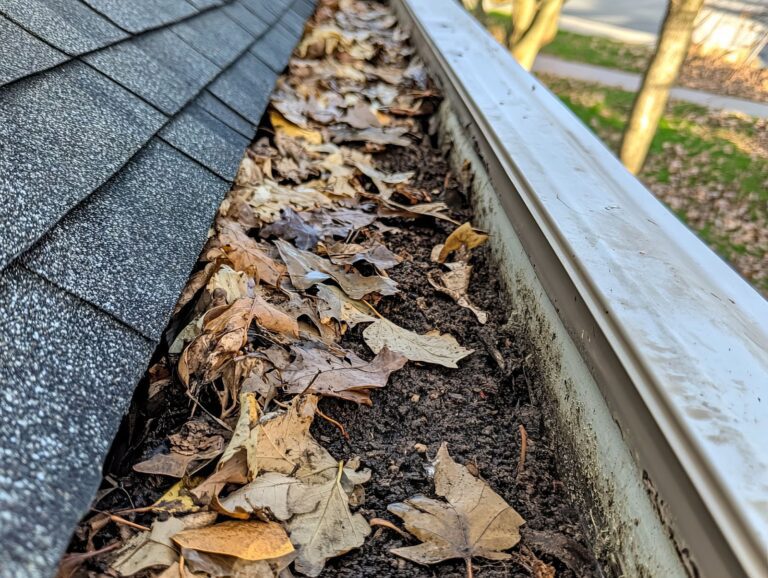
Gutter guards work by using various designs, including screens, mesh, and solid covers, to keep debris from entering the gutters. When installed correctly, they can effectively prevent blockages that lead to water overflow. This is crucial during heavy rainfall, as clogged gutters can cause water to spill over, potentially damaging the fascia and other parts of the home. The ability of gutter guards to filter out debris ensures that water flows freely through the system, reducing the risk of flooding and pest infestations that can occur when water accumulates in stagnant areas.
Installing gutter guards offers numerous advantages for homeowners. Firstly, they significantly reduce the amount of debris that enters the gutters, which means less frequent gutter cleaning is required. This not only saves time but also lowers the risk of injury associated with climbing ladders for maintenance. Secondly, a complete gutter guard system enhances the longevity of the gutters by preventing rust and corrosion caused by stagnant water. Lastly, having gutter guards installed can potentially increase a property’s value by demonstrating proactive maintenance and care for the home’s infrastructure.
What Is the Role of Downpipe Leaf Guards in Gutter Systems?
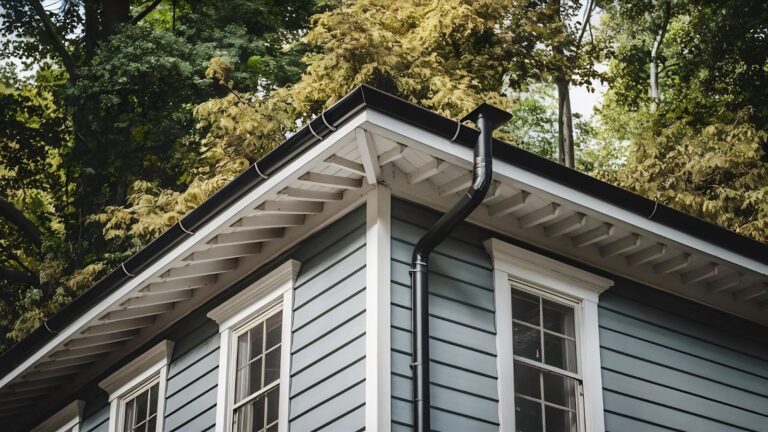
While gutter guards focus on preventing debris from entering the gutters, downpipe leaf guards, or downspout guards, serve a different but equally important function. These guards are specifically designed to block debris from entering the downpipes, which can become clogged and cause serious water overflow issues. By fitting downpipe barriers, homeowners can ensure that water flows smoothly from the gutter system to the ground, preventing potential water damage to the foundation of the house.
The primary distinction between downpipe leaf guards and gutter guards lies in their location and function. Gutter guards are installed on top of the gutters to prevent debris from entering the system, while downpipe guards are fitted at the entry point of the downspouts to block leaves and other materials from clogging the pipes. Understanding these differences is crucial for homeowners looking to enhance their gutter protection systems comprehensively. Each type of guard plays a vital role in ensuring rainwater is effectively channelled away from the home, reducing the risk of water overflow and associated damage.
Downpipe leaf guards are particularly effective during heavy rainfall. By preventing leaves from blocking the pipes, these guards ensure that rainwater can flow freely down the downspouts. When downpipes are obstructed, water can back up into the gutters, leading to spillage and overflow. This overflow can damage not only the gutters but also the walls and foundation of the home. Therefore, installing downpipe barriers is an essential step for homeowners looking to prevent serious water-related problems.
Are Leaf Guards Effective at Keeping Debris Out?

There are various types of leaf guards available, each with its own level of efficiency in keeping debris out. Some of the most common designs include mesh screens, solid covers, and foam filters. Mesh screens are effective in filtering out larger debris but may allow smaller particles to enter. Solid covers, on the other hand, provide comprehensive protection but can sometimes trap leaves on top, requiring occasional maintenance. Homeowners should consider the type of debris prevalent in their area when selecting the best fit for their leaf guard system.
Despite the benefits of leaf guards, there are mixed opinions regarding their overall performance. Some homeowners praise their effectiveness in reducing gutter cleaning frequency, while others express concerns over the accumulation of debris on top of solid covers. It is essential for potential buyers to read reviews and understand the experiences of others before investing in a particular type of leaf guard. This can help in making an informed decision about which product is more likely to meet their specific needs.
While leaf guards significantly reduce the need for frequent gutter cleaning, they are not entirely maintenance-free. Homeowners should regularly inspect their leaf guards, especially after heavy storms or periods of intense leaf fall. Removing any debris that collects on top of solid covers or clearing out any blockages in the mesh screens will ensure that the guards continue to function effectively. Additionally, regular checks can help prevent the dreaded blockage from occurring in the first place, ensuring that the gutter system remains in good condition.
How to Choose the Right Gutter and Downpipe Guards?
When selecting gutter and downpipe guards, homeowners should consider several factors. First, evaluate the specific types of debris common in your area, as this will influence the effectiveness of different guard designs. Second, consider the pitch and design of your roof, as some guards are better suited for certain roofing styles. Lastly, assess your budget and the potential long-term savings in maintenance and repair costs when investing in high-quality guards, such as Grayson’s gutter guards, which have received positive ratings for their durability and effectiveness.
Finding the best fit for your home involves assessing your unique circumstances. Every home is different, with varying amounts of tree cover, roof types, and gutter designs. Homeowners should take the time to measure their gutters and downpipes accurately to ensure the guards installed will fit properly.
Can You Professionally Install Gutter and Downpipe Leaf Guards?
Opting for professional installation of gutter and downpipe leaf guards comes with several advantages. Professionals have the experience and tools necessary to ensure that guards are installed correctly, maximising their effectiveness. Moreover, professional installation reduces the risk of damage to the gutters or roof during the process, which can happen when inexperienced individuals attempt to do it themselves. Additionally, many companies offer warranties or guarantees on their installation work, providing further assurance of quality.
Deciding between a DIY approach or hiring professionals depends on a homeowner’s skill level and comfort with home improvement tasks. While a DIY installation can be cost-effective, it may not yield the same results as a professionally installed system. For those who are handy and have the proper tools, installing gutter guards can be a manageable project. However, for individuals who lack experience, professional installation is often the best option to ensure a comprehensive and effective gutter protection system.
When looking for cost-effective solutions for gutter protection, weigh the initial investment against potential savings in maintenance and repair costs. While high-quality gutter and downpipe guards may require a larger upfront payment, they can prevent costly damage caused by water overflow and reduce the frequency of gutter cleaning. Homeowners should consider the long-term benefits of investing in durable guards that are designed to prevent leaves and other debris from entering the system and causing blockages.
Conclusion
Downpipe leaf guards and gutter guards are not the same. Gutter guards cover the entire gutter to keep leaves out. Downpipe leaf guards only protect the downspout opening. Gutter guards prevent clogs in the first place, while downpipe leaf guards stop debris from entering the downspout. So, if you want full protection, you need both gutter guards and downpipe leaf guards, but they do different jobs.