Are Plastic Gutter Guards Worth It? Pros, Cons & Common Problems Explained
Choosing the right gutter guard can feel overwhelming, especially when plastic options promise an easy, low-cost fix. Plastic gutter guard products are widely marketed as a simple way to improve gutter protection, reduce blockages, and cut down on maintenance. But are they really worth it for Australian homes?
This guide breaks down the pros, cons, and common problems of plastic gutter guard systems so you can make an informed decision before you buy—and understand why professional advice matters more than most homeowners realise.
Understanding Gutter Guards and Why They Matter
A gutter plays a critical role in managing water from your roof, directing rain safely away from your home. When gutters fill with leaf matter and debris, water flow is disrupted, increasing the risk of overflow, leaks, and long-term damage. This is where a gutter guard is meant to help.
A gutter guard acts as a barrier, designed to stop leaves and debris from entering the gutter while still allowing rainwater to pass through. In theory, this reduces gutter cleaning and helps keep your gutter system functioning efficiently. In practice, performance depends heavily on the type of guard, the mesh or material used, and how well it suits your roof and local conditions.
Plastic gutter guard products have grown in popularity because they are cheap, widely available, and often marketed as a DIY-friendly solution. However, not all guard systems are created equal, and choosing the wrong product can cause more problems than it solves.
What Is a Plastic Gutter Guard?
A plastic gutter guard is typically made from lightweight plastic or poly mesh and is designed to sit inside or over the gutter opening. Some versions clip onto the gutter edge, while others slide under the roof sheet or tiles. Plastic gutter mesh and foam inserts are the most common styles homeowners see when shopping online or at hardware stores.
The appeal of plastic systems is simple: they are inexpensive, easy to install, and available in a wide range of products. Many homeowners buy these guards expecting instant gutter protection without the need for professional installation.
However, plastic as a material behaves very differently to aluminium or steel. Factors like UV exposure, heat, heavy rain, and roof design all influence how well plastic guards perform over time.
The Benefits of Plastic Gutter Guards

Plastic gutter guards do offer some advantages, particularly for homeowners working within a tight budget or looking for a quick fix.
One of the biggest benefits is cost. Plastic products are usually the cheapest option on the market, making them attractive for people who want to buy something immediately without a large upfront investment. For short-term applications or rental properties, this low price point can be appealing.
Another benefit is DIY appeal. Many plastic gutter guard products are designed for simple installation, requiring minimal tools and no specialist knowledge. Homeowners can install them without climbing professionals or booking a contractor, which adds to the perceived savings.
Plastic guards are also lightweight, meaning they don’t add much weight to the gutter. This can be seen as a positive where older gutters are concerned, although weight alone does not determine performance or durability.
For homes in low-leaf areas with minimal debris and mild rain, plastic gutter mesh may offer some level of protection by reducing the amount of leaf matter entering the gutter.
Common Problems With Plastic Gutter Guards
While plastic gutter guard systems sound good on paper, they often struggle under real-world conditions—particularly in Australia.
One of the most common issues is sagging. Plastic products can lose shape over time, especially when exposed to heat, UV rays, and the weight of wet leaves and debris. As they sag, gaps form, allowing leaves and debris to enter the gutter and clog it anyway.
Overflow is another major problem. Many plastic guards have a limited aperture or poor water flow design. During heavy rain, water can sheet over the guard instead of flowing into the gutter. This leads to water spilling over the edge, defeating the purpose of the gutter system entirely.
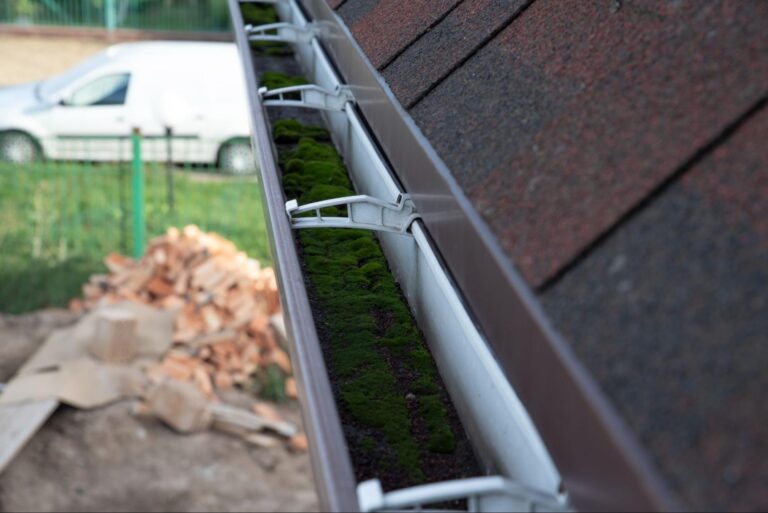
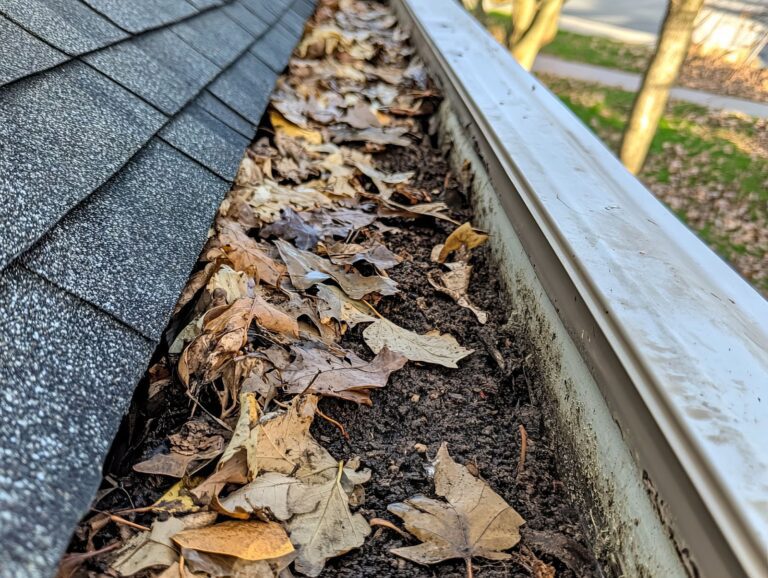
Leaf build-up on top of the guard is also common. Instead of falling into the gutter, leaves sit on the surface of the plastic mesh, trapping moisture and creating a dense layer that blocks water entry. Over time, this build-up can cause water to back up under the roof edge.
Plastic materials can also become brittle. Prolonged UV exposure can make plastic guards crack or break, reducing their effectiveness and requiring replacement far sooner than expected.
Maintenance Realities vs Expectations

One of the biggest misconceptions is that installing a plastic gutter guard means you’ll never need to clean your gutters again. In reality, most plastic systems still require regular cleaning and maintenance.
Leaves, debris, and dirt can accumulate on top of the guard, meaning you still need to remove and clean the product periodically. In some cases, cleaning a plastic guard is more time-consuming than standard gutter cleaning because the guard must be lifted or removed to access trapped debris.
Bird activity can also be an issue. Birds may nest under plastic guards or pull sections loose, especially if the guard is flimsy or poorly secured. Once displaced, the guard no longer fits properly, reducing water flow and protection.
Over time, plastic gutter mesh may also need replacing due to damage, UV degradation, or warping. This ongoing maintenance can quickly offset the initial savings of buying a cheap product.
Comparing Plastic Gutter Guards to Metal Mesh Options
When doing a comparison between plastic and metal systems, the differences become clear. Metal gutter mesh, typically made from aluminium or steel, offers greater durability and long-term performance.
Metal mesh systems are designed to handle heavy rain, maintain consistent water flow, and resist corrosion. Aluminium options are lightweight yet durable, while steel provides extra strength in high-debris or high-wind areas. These materials are more resistant to UV exposure and maintain their shape over time.
Plastic gutter mesh and poly mesh, by contrast, often lack the structural integrity needed for Australian conditions. They may be suitable for very specific applications, but they rarely offer the same level of gutter protection as professionally installed metal systems.
Colour matching is another factor. While plastic guards are available in limited colour options, metal mesh systems are often available in a wider colour range to suit different roof profiles and architectural styles.
Foam Inserts and Other Plastic-Based Options
Foam inserts are another plastic-based gutter guard product homeowners often consider. These inserts sit inside the gutter and are designed to block leaves while allowing water to pass through the foam structure.
While foam inserts can work initially, they have their own problems. Over time, debris becomes embedded in the foam, restricting water flow and making cleaning difficult. They can also retain moisture, increasing the risk of corrosion in metal gutters.
Foam inserts are not proof against heavy rain or fine debris and often require frequent cleaning and replacement. For many homeowners, they become a short-term solution rather than a lasting one.
Choosing the Right Gutter Guard for Your Home
Selecting the right gutter guard involves more than picking the cheapest product on the shelf. Factors like roof type, gutter size, local weather, surrounding trees, and water flow requirements all play a role.
Homeowners should check whether a product suits their specific roof design and gutter profile. Not all guards fit every application, and a poor fit can reduce performance or cause damage.
It’s also important to consider long-term value rather than just upfront cost. A durable, professionally installed system may cost more initially but reduce maintenance, improve water flow, and protect your gutter system more effectively over time.
Before you buy, it’s wise to consult specialists who understand local conditions in Australia and can recommend a solution that matches your budget, roof, and gutter setup.
Why Professional Advice Matters Before You Buy
Many homeowners purchase plastic gutter guard products without fully understanding how they will perform on their roof. This often leads to frustration, wasted money, and ongoing gutter issues.
Professional installers assess factors such as roof pitch, material, water flow patterns, and debris load before recommending a guard system. This ensures the product selected is suitable for the application and installed correctly to perform as intended.
At DX Gutter Guard, the focus is not on selling a one-size-fits-all product. Instead, the goal is to help homeowners choose a system that offers reliable gutter protection, suits their home, and performs well over time.
Professional advice also helps avoid common mistakes, such as installing guards that restrict water flow, don’t fit properly, or require constant cleaning and maintenance.
Are Plastic Gutter Guards Worth It?
So, are plastic gutter guards worth it? For some homeowners, they may offer a short-term, low-cost option in very specific conditions. However, for most Australian homes, plastic systems come with limitations that can lead to ongoing issues.
Problems like sagging, overflow, leaf build-up, and frequent maintenance often outweigh the initial savings. When compared to metal mesh systems, plastic products generally fall short in durability, performance, and long-term value.
Choosing the right solution requires looking beyond price and considering how the product will perform on your roof, in your local environment, and over time.
Talk to DX Gutter Guard Before You Decide
If you’re considering gutter protection and want honest, expert advice, DX Gutter Guard can help. Our team assesses your roof, gutter, and local conditions to recommend a solution that actually works—whether that’s metal mesh, aluminium systems, or another tailored option.
Instead of guessing which product to buy, get professional guidance that protects your gutters, improves water flow, and reduces long-term maintenance.
Contact DX Gutter Guard today to discuss the right gutter guard solution for your home and get advice you can trust.
FAQs
Some plastic gutter guard products are sold with a manufacturer guarantee, but this usually only covers material defects—not performance. In real-world conditions, issues like sagging, UV exposure, or incorrect fit are often excluded. That’s why professional assessment matters. Choosing the right system and correct installation plays a bigger role in long-term reliability than relying on a product guarantee alone.
Many plastic gutter guards claim to be UV-stabilised, but not all are designed to handle prolonged exposure to Australia’s harsh sun. Over time, UV exposure can cause plastic to become brittle, fade, or warp, reducing effectiveness. This is why material choice and climate suitability should always be considered before installation.
Plastic gutter guards can help prevent large debris from entering the gutter, but they don’t always stop fine debris or organic buildup. In some cases, leaves and dirt collect on top of the guard, reducing water flow and leading to overflow. A properly selected and installed system is essential to genuinely prevent ongoing gutter issues.
Homes connected to water tanks need gutter protection that supports clean water flow. Some plastic systems can break down over time or trap debris, which may affect water quality. It’s important to choose a gutter guard solution that allows water to flow efficiently while minimising contamination risks for rainwater collection.
Plastic gutter guards may appear efficient at first due to lower upfront cost, but performance over time can vary. Warping, UV degradation, and ongoing cleaning can reduce efficiency and increase maintenance needs. For homeowners looking for lasting results, expert guidance ensures the system chosen delivers consistent performance rather than short-term convenience.