In regions susceptible to wildfires, safeguarding properties is of utmost importance. One effective solution is the use of stainless steel bushfire mesh, specifically designed to enhance bushfire protection. This article delves into the benefits of stainless steel bushfire mesh, how it works, its applications, selection criteria, and where to find it. Understanding the features and advantages of this protective mesh can be crucial for ensuring safety in bushfire-prone areas.
What is Bushfire Mesh and How Does It Work?

Bushfire mesh is essentially a type of wire mesh designed to withstand bushfire conditions, protecting structures from ember attack and radiant heat. The weave of stainless steel bushfire mesh is typically crafted to create a fine aperture, often around 2 mm, which is effective at preventing embers from entering buildings. The tightly woven structure not only enhances fire resistance but also allows for adequate ventilation, which is crucial in maintaining air quality within enclosed spaces. The stainless steel woven wire mesh design further ensures that the material remains robust under extreme temperatures, adding to its overall durability.
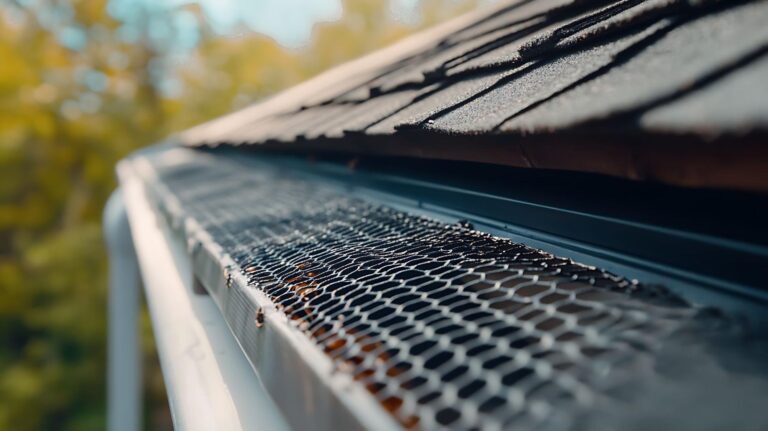
One of the primary functions of bushfire mesh is to protect buildings against ember attacks, which are a significant threat during bushfires. As embers can be carried by wind over considerable distances, a mesh shield can be used to block these burning particles from infiltrating the building envelope. When installed in eaves, gutters, and ventilation points, the stainless steel mesh acts as a barrier, preventing embers from igniting flammable materials found in roofing and subfloor areas. This proactive approach to bushfire protection not only safeguards the structure but also enhances the safety of its occupants during a bushfire event.
Fire-rated bushfire mesh is engineered to meet specific Australian standards for bushfire protection. The range has been independently verified by CSIRO, ensuring that it meets the prescribed construction requirements for various bushfire attack levels (BAL). For instance, a BAL 40 rating indicates that the mesh can withstand significant radiation heat and direct flame exposure. These key features make stainless steel bushfire mesh an essential component for anyone looking to enhance their property’s resilience against bushfire threats.
Why Choose Stainless Steel for Bushfire Protection?
When considering materials for bushfire protection, stainless steel stands out for its exceptional properties. Unlike aluminium or other metals, stainless steel offers superior strength and resistance to corrosion, ensuring longevity even in harsh environments. The robustness of stainless steel means that it can withstand the intense conditions associated with bushfires, including high temperatures and exposure to flames. Furthermore, stainless steel mesh can be used effectively in various applications without compromising structural integrity, making it a versatile choice for bushfire-prone areas.
The durability of stainless steel bushfire mesh translates into long-term cost savings, as it requires minimal maintenance and replacement. Its resilience allows it to endure the rigours of outdoor conditions, including rain, wind, and UV exposure. In contrast, other materials may degrade over time, leading to increased maintenance costs and potential vulnerabilities. By investing in high-quality stainless steel mesh, property owners can ensure that their bushfire protection measures remain effective for years to come.
One of the critical advantages of stainless steel bushfire mesh is its resistance to radiant heat and direct flame. This characteristic is essential in safeguarding buildings in bushfire-prone areas, where the threat of intense heat can compromise structural safety. The fire mesh is designed to reflect and dissipate heat, thereby minimising the risk of ignition. Properly installed, stainless steel mesh not only provides a physical barrier but also enhances the thermal performance of the building, making it a strategic choice for bushfire protection.
What are the Common Applications of Bushfire Mesh?

Stainless steel bushfire mesh has a wide range of applications in buildings situated in bushfire-prone areas. It can be installed in various locations, including roof spaces, eaves, and around windows and doors, to create a comprehensive fire barrier. By incorporating bushfire mesh into the design of new buildings or retrofitting existing structures, homeowners can significantly reduce the risk of fire damage. Additionally, the mesh can be integrated into building designs to not only fulfil functional requirements but also to enhance aesthetic appeal.
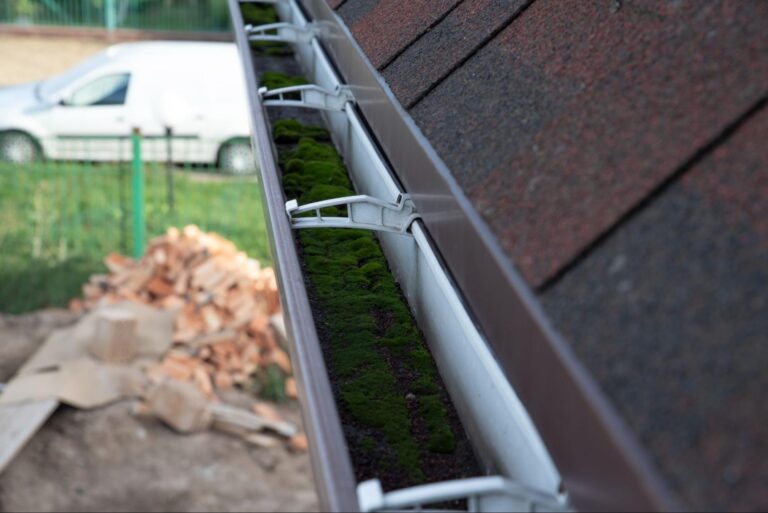
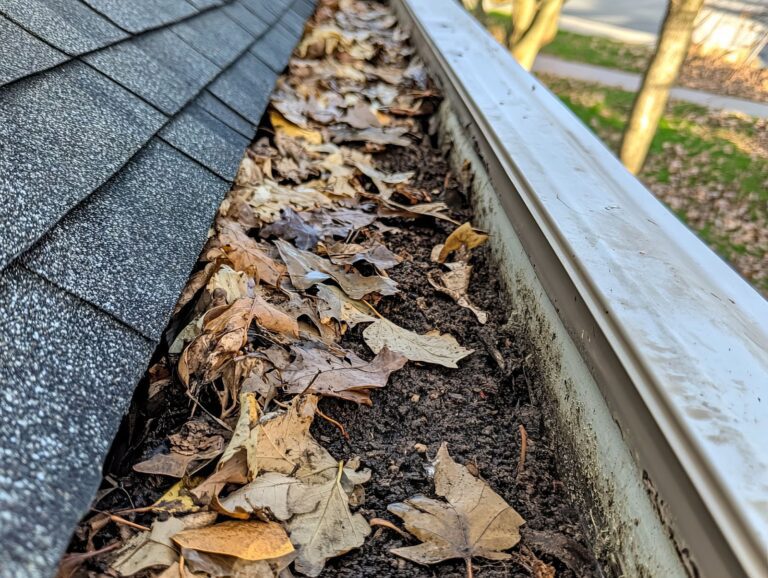
One of the most effective applications of bushfire mesh is in eaves and gutters, where it prevents debris accumulation and subsequent fire risks. The installation of stainless steel mesh in these areas ensures that flammable materials, such as leaves and twigs, do not enter the building’s structure. Moreover, the mesh allows for adequate drainage while maintaining airflow, which is crucial for preventing moisture buildup and subsequent mould growth. By employing metal mesh in eaves and gutters, property owners can significantly enhance their bushfire protection strategies.
Bushfire mesh is not limited to structural applications; it can also be effectively utilised in landscaping to enhance fire safety. Incorporating stainless steel mesh into landscape design can help create firebreaks, which are essential in slowing the spread of fire. Additionally, stainless steel mesh can be used for fencing, garden beds, and decorative elements, providing both functional and aesthetic benefits. When strategically placed around properties, bushfire mesh can complement landscaping while simultaneously acting as a protective barrier against bushfires.
How to Select the Right Bushfire Mesh for Your Needs?

Selecting the right bushfire mesh involves understanding the Bushfire Attack Level (BAL) ratings, which categorise the risk of bushfire exposure based on various factors, including vegetation and topography. Each BAL rating corresponds to specific requirements for building materials and construction practices. For instance, properties designated as BAL 40 require materials that can withstand higher levels of radiant heat and ember attack. Familiarising oneself with these ratings is essential for making informed decisions about bushfire protection solutions.
When choosing bushfire mesh, several factors should be taken into consideration. These include the material type, mesh aperture size, and compliance with Australian standards. The mesh should be made of high-quality stainless steel to ensure durability and resistance to corrosion. Furthermore, the aperture size should be suitable for preventing ember infiltration while allowing for adequate ventilation. It’s also essential to ensure that the selected mesh meets the requirements for the specific BAL rating of the property. Consulting with a specialist can provide valuable insights into the best options available.
Once you’ve determined your requirements for bushfire mesh, obtaining a quick quote is the next step. Many suppliers offer online services where potential customers can request a quote based on their specific needs and project details. By providing information such as the size of the area to be covered, the appropriate BAL rating, and any additional requirements, property owners can receive tailored solutions that fit their budget and safety needs. Contact us today to get started on securing your property with the best bushfire protection available.
Conclusion
Stainless steel bushfire mesh is a great choice for protecting your home. It is strong and lasts a long time, keeping out burning embers and reducing fire risk. By using stainless steel bushfire mesh, you get peace of mind knowing your property has better fire protection.