Thinking about installing gutter guards but unsure what really happens during a professional installation? Whether you’re planning to install gutter guards for the first time or upgrading your old system, understanding the gutter guard installation process can save you time, stress, and money in the long run. In this guide, we’ll break down exactly what happens when you get your gutter system professionally installed, what to look out for, and why it’s far better than a DIY job.
This article is worth your read if you’re tired of cleaning your gutters every season, worried about water damage, or simply want peace of mind knowing your home is protected. From prep work to final checks, here’s everything you need to know.
Preparing for a Professional Gutter Guard Installation
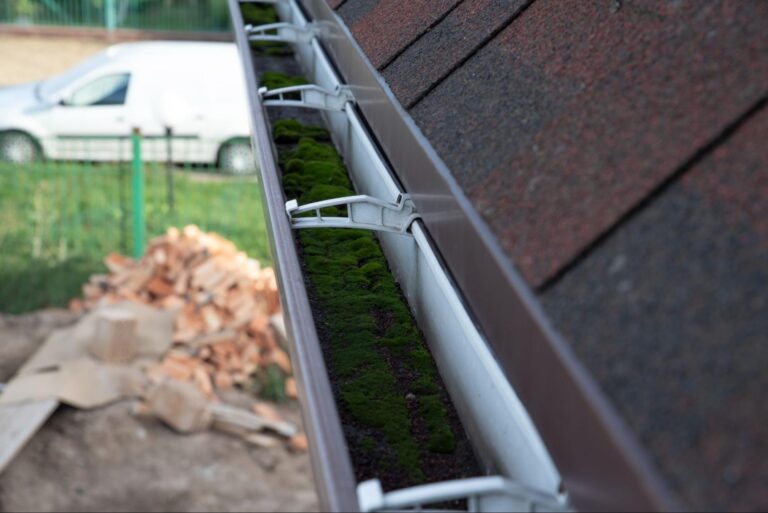
Before the installation begins, your installer will assess the condition of your current gutter system. They’ll check for sagging, rust, leaks, or existing clog buildup. If your gutters are blocked, cracked, or improperly pitched, those issues will need to be resolved before you install gutter guards — otherwise, even the best gutter guard won’t work effectively.
The installer will also discuss the type of gutter guard that suits your home best. From mesh gutter options to brush gutter guards and foam gutter guards, every home has its own needs based on the size of your home, roof type, and how much leaves and debris typically build up. Choosing the right gutter guard is essential to keeping your gutters free of debris and preventing clogged gutters in the future.
What Happens on Installation Day?

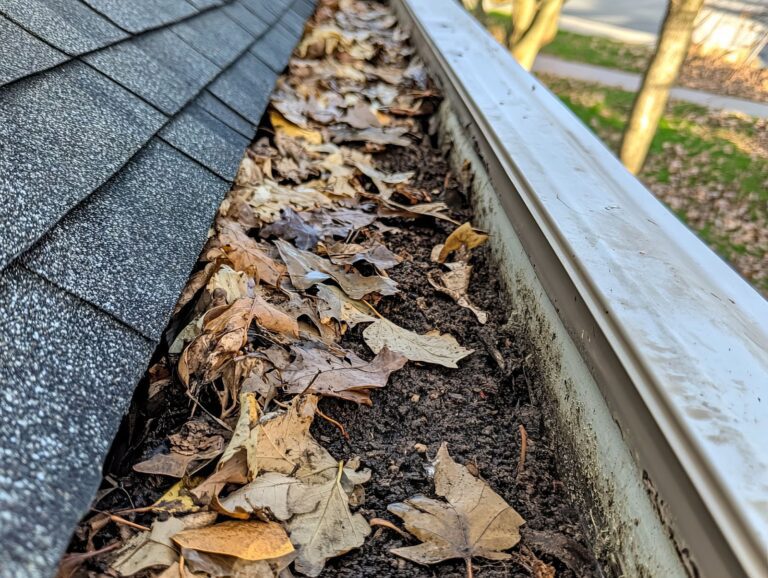
Once you’ve selected the right gutter protection system, the installation crew will arrive with the tools and materials needed to get the job done. The first step is to clean your gutters thoroughly to keep your gutters clean and free of debris. Any debris like pine needles, twigs, or old buildup is removed to ensure the gutter guards are installed correctly and can work effectively.
Next, the crew will install gutter guards based on your chosen material — whether that’s gutter mesh, foam, brush, or a high-grade ember guard for bushfire-prone areas. This installation process requires precision, especially when cutting materials to match the box gutter edges and ensuring tight fits around corners and joints. A professional installation ensures that the guards are firmly attached and provide maximum gutter protection.
Why Hiring a Professional Gutter Guard Installer Matters
Hiring a professional isn’t just about saving time — it’s about protecting your home from costly water damage and ensuring that the job is done right the first time. A professional gutter guard installation means the team has the knowledge and equipment to handle your specific roofing and gutter layout, including any tricky box gutter areas or multi-level sections.
With DIY gutter guard installation, mistakes can lead to gaps, sagging sections, or even guards coming loose during a storm. These errors can cause serious issues like water backing up, overflowing, or causing water to seep into your fascia and walls. If the installation isn’t done right, you’re still going to be dealing with cleaning out gutters or worse — paying for repairs due to water damage. Professional installers ensure the installation is done right —and, more importantly, installed correctly.
Types of Gutter Guards Available
Not all gutter guards are designed equally. Some are easier to install, but that doesn’t mean they’ll last. Foam gutter guards and brush gutter guards are often considered the easiest to install, but they can become clogged over time and may need frequent replacement. If you want low maintenance and durability, mesh guards or a premium gutter mesh system are often the top choice.
The gutter guards you choose should depend on several factors like local weather, nearby tree types, and how much rainfall your area gets. For example, homes surrounded by gums or pines will benefit from a mesh or gutter guard mesh that blocks debris from clogging the gutter without obstructing water flow. Talking to a professional company helps you make an informed decision tailored to your specific needs.
The Role of Mesh in High-Performance Gutter Guard Systems

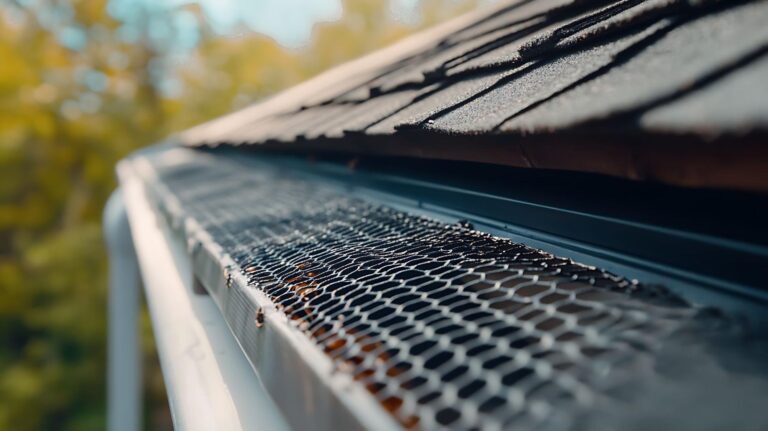
One of the most effective forms of gutter protection is mesh gutter systems. These systems are made from either stainless steel or aluminium mesh, providing long-term performance and weather resistance. Gutter mesh systems are ideal if you’re dealing with blocked gutters or want to keep debris like pine needles and leaves out of your gutter system.
During the installation, the installer carefully secures the mesh to ensure it allows rain to flow freely while preventing even the smallest particles from slipping through. A professionally installed gutter mesh guard offers unmatched durability and often comes with warranties that give you long-term peace of mind.
How Long Does the Gutter Guard Installation Take?
The timeline to install gutter guards depends on the size of your home, the type of gutter guard, and the complexity of your roof layout. Generally, a standard gutter guard installation on a single-story home can be completed within a day. Larger homes or properties with complex gutter systems may require more time.
A professional gutter guard installer will provide a clear estimate during the booking process, so you’ll know what to expect. They’ll also walk you through what’s included, such as inspection, cleaning, installation, and post-installation checks. A transparent timeline and scope of work are signs of excellent service and help ensure that the job is done efficiently and thoroughly.
Aftercare and Maintenance Tips Post-Installation
Once your gutter guard system is installed, maintenance becomes much easier — but it’s not completely set-and-forget. It’s still important to occasionally check that your gutters and roof are clear of larger debris or overhanging branches that could compromise the guards. The good news? You won’t need to clean your gutters nearly as often anymore.
If you went with a professional installation, you’ll likely receive maintenance tips or even a scheduled service plan. This helps keep your gutters working at peak performance year-round. With the right aftercare, your gutter guards for your home can last decades, saving you time and effort and protecting your property from potential water damage.
Conclusion: Trust the Professionals for the Job Done Right
Investing in a professional gutter guard installation means investing in the long-term health of your home. You’ll no longer need to worry about your gutters becoming clogged with leaves, debris causing water damage, or spending your weekends balancing on a ladder. When you install gutter guards the right way, with a trusted gutter guard installer, you’re choosing durability, reliability, and total peace of mind. If you’re ready to protect your home from the top down, DX Gutter Guard is here to help. Our team of licensed professionals offers tailored recommendations, high-quality gutter mesh solutions, and seamless installation that’s done right the first time. Get in touch today to schedule your quote and discover why Sydney homeowners trust DX Gutter Guard for quality gutter protection that lasts.