A gutter guard should protect your property, not create a question mark over your roof warranty. So, will guards void roof warranties? Not automatically. A properly selected and professionally installed guard system will not usually affect a roof warranty, but the answer depends on the roof type, the warranty terms, the installation method and the condition of the roof before work begins.
For Sydney homes and commercial properties surrounded by trees, gutter guards can significantly reduce leaf buildup, overflowing gutters and the need for frequent cleaning. The key is never to treat installation as a simple add-on. It needs to suit the roof, preserve drainage and avoid unnecessary changes to roofing materials.
Will Gutter Guards Void Roof Warranties?
Most roof warranties do not say that gutter guards are prohibited. What they commonly require is that the roof is installed, maintained and altered in line with the manufacturer’s instructions. If a guard system is fitted without damaging roof components or interfering with drainage, it is unlikely to void the whole warranty.
Problems arise when an installation creates damage or contributes to a failure. For example, drilling through roof sheets where it is not approved, lifting tiles incorrectly, blocking weep paths or trapping wet debris against the roofline may give a manufacturer grounds to reject a claim connected to that damage.
That distinction matters. Installing guards does not normally erase every right under your roof warranty. However, if an unsuitable installation causes a leak, corrosion, cracked tile or drainage issue, the affected repair may not be covered. The installer may then be responsible, depending on the work completed and the terms of their workmanship guarantee.
A roof warranty also cannot cover pre-existing issues. If cracked tiles, rusted flashings, loose ridge capping or failed seals are found beneath old debris, those faults need attention before a guard system goes on.
Why the Installation Method Matters Most
Gutter guard systems are not all fitted in the same way, and neither are Sydney roofs. A method that works well on one property may be unsuitable for another.
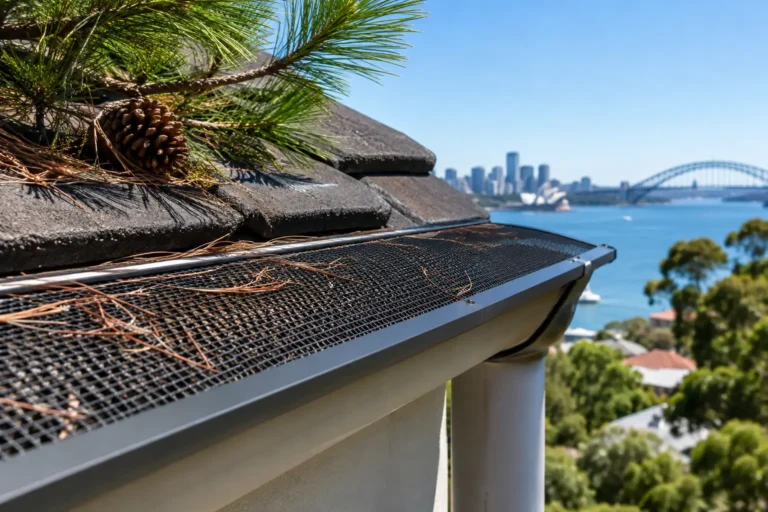
Premium aluminium mesh guards are typically fixed to the gutter edge and secured carefully beneath or alongside the relevant roof profile. The goal is to create a stable barrier that directs leaves and larger debris away while allowing rainwater to enter the gutter. It should sit neatly, maintain the roof’s intended water flow and allow the system to be inspected and serviced when needed.
A poor installation can create avoidable risks. Mesh that is pulled too tight or fixed in the wrong position can affect water run-off. Unapproved fasteners can damage metal roofing or create entry points for water. On tiled roofs, rough handling can crack tiles or disturb the bedding and pointing around roof features. A guard that bridges valleys or drainage channels incorrectly can encourage blockages in exactly the areas that need to clear quickly during heavy rain.
This is why the cheapest quote is not always the best value. The product is only one part of the job. Roof access, cleaning, preparation, correct fixing and a careful final check all affect how the system performs and whether your roof remains protected.
Check Your Roof Warranty Before Installation
Before arranging gutter guard installation, find the warranty paperwork for your roof, gutters or recent roof restoration. Look for conditions about alterations, penetrations, cleaning, maintenance and work completed by third parties. Some warranties are issued by the roofing product manufacturer, while others are provided by the builder or roofing contractor. Their wording can differ.
If the terms are unclear, ask the warranty provider a direct question: does fitting a gutter guard system affect cover, and are there approved installation requirements? Keep their response with your property records. This is particularly worthwhile for newer homes, recently replaced metal roofs and properties with a substantial remaining warranty period.
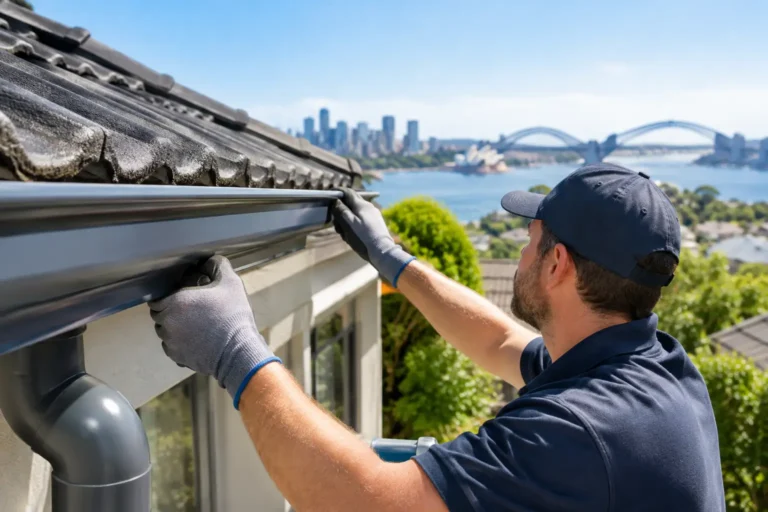
You should also tell the gutter guard installer about any known roof work, leaks or warranty conditions before the quote is finalised. A professional provider can assess whether the roof is appropriate for guards and explain the proposed fixing method in plain language.
For strata properties, warehouses and commercial sites, check whether building management or the property owner has maintenance specifications as well. Access requirements, roof safety systems and responsibility for common drainage can all influence the scope of work.
Roof Types Need Different Care
Metal roofs, tiled roofs and Colourbond-style roofing all have different details around their edges, valleys and flashings. There is no responsible one-size-fits-all approach.
On metal roofing, installers need to avoid compromising sheets, protective coatings and roof penetrations. Where screws are required, their type and placement matter. Water must continue to shed freely into the gutter rather than tracking under a mesh edge.
On tile roofs, the concern is often preserving the condition and position of tiles near the gutter line. Tiles can become brittle with age, especially after years of heat, storms and debris accumulation. An experienced team will identify fragile or damaged tiles before beginning rather than hiding a problem beneath a new guard.
Older homes deserve particular care. Gutters may be sagging, brackets may be loose, and roof edges may need repairs before guard installation. Adding protection to a failing gutter is not a long-term solution. The right approach is to address the condition of the existing roofline first.
Cleaning and Preparation Protect More Than Appearance
Fitting guards over existing leaf matter is one of the fastest ways to create future drainage issues. The gutter and roof valleys should be cleared properly before installation, with debris removed rather than pushed into downpipes or left on the ground below.
Cleaning also gives the installer a clear view of the roofline. This is when loose material, rust, damaged gutter sections, blocked downpipes and signs of past overflow can be identified. For properties in leafy Sydney suburbs, that preparation is especially valuable because wet leaf litter can hold moisture against metal surfaces and add unnecessary weight to gutters.
A good service should leave you knowing what was found, what was cleaned and whether any maintenance needs attention. Before-and-after roof photos are useful evidence of the work completed and a practical record for future maintenance or warranty discussions.
Do Gutter Guards Remove the Need for Maintenance?
No guard system makes a roof maintenance-free. Quality mesh substantially reduces the volume of leaves and debris entering gutters, but fine material, roof grit and windblown debris can still collect on top of the guard or in roof valleys over time.
Regular visual checks remain sensible, particularly after severe storms, high winds or a long dry spell followed by heavy rain. Check that water is flowing correctly, downpipes are clear and there is no buildup around valleys, skylights or roof penetrations. If trees overhang the roof, pruning may also help reduce the debris load.
Maintenance supports your warranty position because it shows that the property has been reasonably cared for. Allowing gutters to overflow for years can contribute to fascia damage, staining, damp issues and corrosion, whether guards are fitted or not.
Questions to Ask Before You Accept a Quote
A dependable installer should be comfortable answering practical questions about your roof and their method. Ask whether the system is suited to your roof material, whether any drilling or penetrations are proposed, how drainage paths will remain clear, and what workmanship guarantee applies to the installation.
It is also reasonable to ask how the roof and gutters will be cleaned beforehand, how debris will be removed from site, and whether you will receive photos of the completed work. These details separate a considered protection service from a quick job that may create problems later.
Be wary of anyone who guarantees that guards will eliminate all cleaning forever or who cannot explain how the mesh will be fixed. Clear answers, quality materials and careful preparation are far more valuable than broad promises.
If you are concerned about a particular roof warranty, raise it before work starts, not after a leak or storm event. DX Gutter Guard can assess your roofline, clean and prepare the area, and recommend a suitable aluminium mesh solution with the care your property deserves. A well-installed gutter guard should give you fewer blocked gutters, less time on a ladder and greater confidence when the next Sydney downpour arrives.