A gutter guard that looks fine from the ground can still fail badly in the first heavy storm. We see that often across Sydney – guards that let leaf litter sit on top, cheap plastic that warps in the sun, and systems fitted without proper gutter cleaning beforehand. If you are comparing the best gutter guard systems, the real question is not just what is sold as premium. It is what actually performs on your roof, in your suburb, and over the long term.
What makes the best gutter guard systems worth it?
For most property owners, the goal is simple. You want to reduce blocked gutters, cut down cleaning, protect the building from water overflow, and avoid paying for the same problem over and over again. A good system should also help with ember protection in bushfire-prone areas and keep valleys and roof drainage points working properly.
The best gutter guard systems do that by combining the right material, the right mesh profile, and the right installation method. If one part is weak, the whole system suffers. A strong mesh fitted poorly will still let debris build up. A tidy-looking product made from low-grade material may not handle years of sun, storms, and roof movement.
That is why product alone is never the full answer. Installation quality matters just as much as the guard itself.
The main types of gutter guard systems
Not all gutter guards are built for the same job. Some are made to be cheap and quick to fit. Others are designed for serious long-term protection.
Brush and foam inserts
These are usually the most basic options. They sit inside the gutter and aim to stop leaves from settling in the channel. They can work for a short time in low-debris areas, but they also tend to trap fine material, hold moisture, and become messy to remove and clean.
In Sydney conditions, especially in leafy suburbs, they are rarely the best long-term choice. Once seeds, dirt and small leaf fragments start building up, water flow can slow down and maintenance returns sooner than expected.
Plastic screen systems
Plastic guards are often chosen because they are inexpensive upfront. The trade-off is durability. Constant UV exposure, heat, and weather can make lower-quality plastic brittle over time. Some products also lift, sag, or crack, particularly when they are not fixed securely.
For a homeowner focused on long-term value, plastic is often a false economy. It may reduce debris for a while, but it usually does not offer the same lifespan or stability as a properly installed metal mesh system.
Steel mesh systems
Steel mesh can perform well, especially when it is corrosion-resistant and suited to local conditions. The issue is that not every steel product is equal. If the finish fails or the wrong grade is used near coastal areas, corrosion becomes a real concern.
Steel systems can be a solid option, but they need careful product selection and experienced installation.
Aluminium mesh systems
For many residential and commercial properties, aluminium mesh is the strongest all-round choice. It is lightweight, durable, and well suited to harsh outdoor conditions when the product quality is high. A well-designed aluminium mesh system helps keep out leaves and debris while allowing rainwater to enter the gutter efficiently.
This is why premium aluminium mesh is often considered among the best gutter guard systems for Sydney properties. It suits a wide range of roof profiles, handles local weather well, and offers reliable performance when fitted correctly.
Why mesh size and design matter
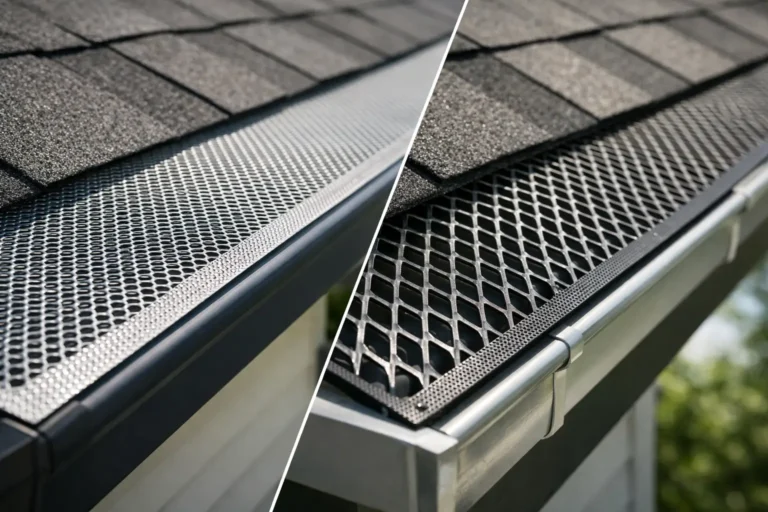
People often ask which mesh hole size is best, but there is no one-size-fits-all answer. Fine mesh can keep out smaller debris and help with ember protection, but if it is not designed properly it can hold more material on the surface. A more open pattern may shed larger leaves better, but it can let in smaller debris.
The right balance depends on your roof type, pitch, surrounding trees, and how much debris falls across the year. A property under heavy gum tree coverage has different needs from a tiled roof in a less exposed area. That is where experienced assessment matters.
The shape of the guard also affects performance. A flatter system may collect debris differently from one installed with a profile that encourages material to dry and blow away. The best result usually comes from matching the product to the site, not forcing the same setup onto every roof.
The biggest mistake – focusing only on the product
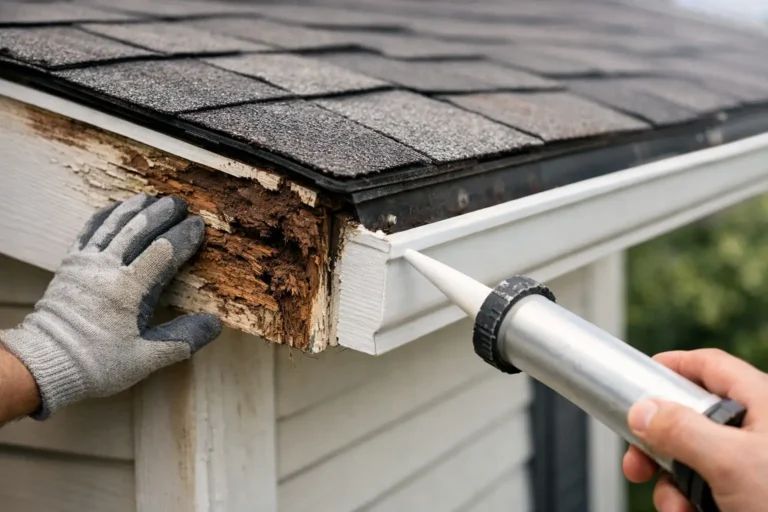
A lot of gutter guard failures come back to poor preparation and poor fitting. Gutters should be properly cleaned before installation. Downpipes need to be checked. Existing issues like rust, loose sections, or incorrect fall should be identified before the guard goes on.
If debris is left in place underneath a new system, the problem has simply been covered over. If the mesh is fitted loosely or without care around edges, valleys and roof penetrations, debris and pests can still find their way in.
That is why professional installation matters so much. The best gutter guard systems are not just bought. They are installed as part of a complete service that sets the system up to perform.
Best gutter guard systems for different property types
Family homes in leafy suburbs
If your home sits under gum trees or near dense planting, a premium aluminium mesh system is usually the most practical choice. It offers solid debris reduction, lowers cleaning frequency, and helps protect the home from overflow during storms. It also gives better long-term value than cheaper insert products that need regular attention.
Commercial properties and strata buildings
For larger buildings, reliability and maintenance planning matter even more. A quality mesh system can reduce cleaning demands across bigger roof areas, but access, roof complexity and drainage layout need to be assessed carefully. On commercial sites, safety and workmanship standards are just as important as the product itself.
Bushfire-prone areas
In ember-exposed locations, the standard for gutter protection rises. The system needs to do more than keep out leaves. It should also help reduce combustible debris build-up in gutters and roof spaces where relevant. Not every product marketed as gutter guard is suitable for this purpose, so compliance and application should be checked carefully.
How to compare systems without getting caught by sales talk
The best way to compare options is to look past broad claims like maintenance-free or lifetime protection. No gutter guard makes a roof completely maintenance-free. Debris can still collect on top of the guard, especially after storms, and surrounding roof areas still need inspection from time to time.
Instead, ask practical questions. What material is it made from? How does it handle local leaf types? Is the installer cleaning the gutters before fitting it? How is it fixed to the roof and gutter? What workmanship guarantee is offered? Will you receive clear photos or evidence of the completed work?
Those details tell you far more than polished marketing language.
What good installation should include
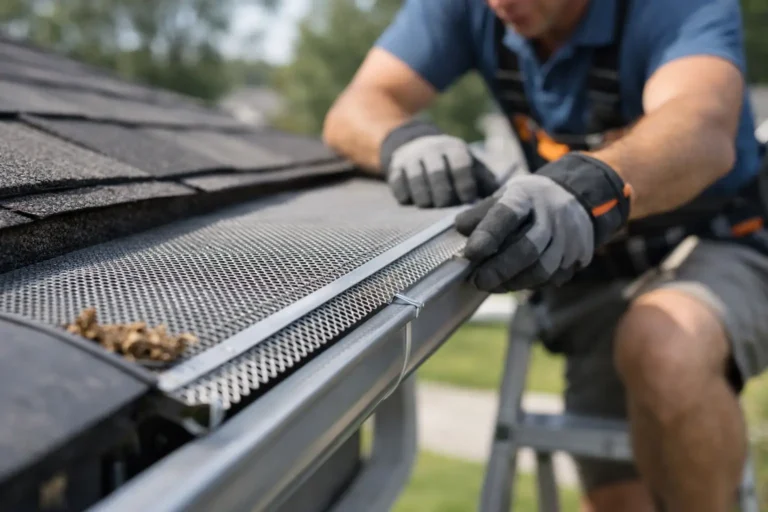
A proper gutter guard job should start with a close inspection of the roofline, gutters and drainage points. From there, the installer should clean out debris, prepare the area, and fit the guard neatly to suit the roof profile. Just as importantly, the site should be left clean when the work is done.
Visible quality assurance matters. Before-and-after photos, tidy finishing, and clear communication give property owners confidence that the work has been done properly. That matters on every job, but especially when you are paying for long-term protection rather than a quick patch-up.
For that reason, many Sydney property owners prefer to work with a specialist rather than a general handyman. A specialist is more likely to understand how the full system performs over time, not just how to attach mesh to a gutter.
Choosing the right system for long-term value
The cheapest quote is rarely the best value if the system fails early or still leaves you booking frequent cleans. On the other hand, the most expensive option is not automatically the best either. Value comes from fit-for-purpose materials, careful installation, and confidence that the work will last.
For many Sydney homes and commercial buildings, a professionally installed premium aluminium mesh system offers the strongest balance of durability, performance and reduced maintenance. That is why it remains the preferred solution for many of our clients at DX Gutter Guard.
If you are weighing up the best gutter guard systems, think beyond the brochure. Look at your roof, your tree coverage, your maintenance history and your risk factors. The right system should protect your property, reduce future headaches and give you one less thing to worry about every time the weather turns.