A gutter guard can look simple from the ground: mesh over the gutter, fewer leaves inside. But the difference between a guard that protects your home and one that causes a costly problem often comes down to the preparation, fit and finish. When choosing professional installation or DIY guards, Sydney property owners need to consider more than the upfront price.
A poorly fitted guard can leave entry points for leaf litter, restrict water flow in heavy rain, lift in strong winds or make future roof maintenance harder. A properly installed system starts with clean gutters and sound roofline components, then uses the right material and fixing method for the property. That is where the real value sits.
Why gutter guard installation is not just a weekend job
DIY gutter guard products are readily available, and some can be suitable for a low, straightforward roof with easy access. For a homeowner who is confident working at height, has the right safety equipment and understands how their roof and gutters drain, installing a small section may be achievable.
Most homes are not that simple. Sydney roofs commonly have varying pitches, valleys, solar panels, tiled or metal roof profiles, awkward extensions and established trees dropping different types of debris across the year. A guard has to sit securely without creating gaps, interfering with the roof edge or changing how water enters the gutter.
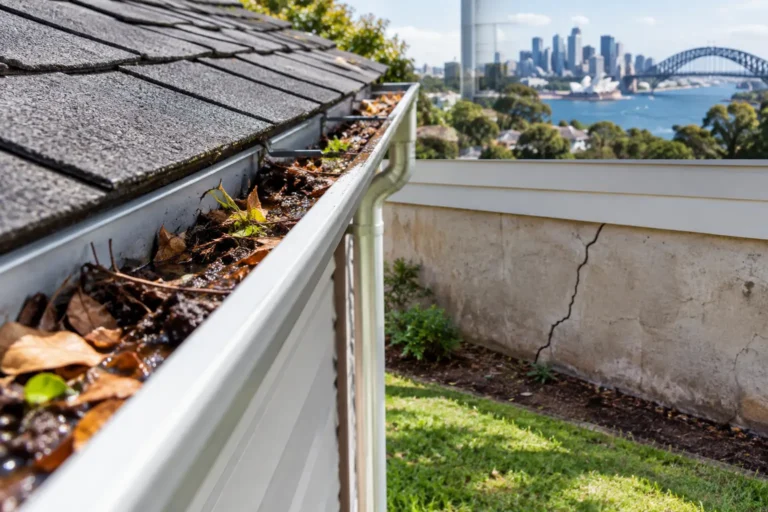
The job also begins before any mesh is fitted. Existing leaves, roof grit, mud and small branches need to be removed from the roof valleys and gutter channels. Downpipes should be checked for blockages. If debris is trapped beneath a new guard, it does not disappear – it can hold moisture, reduce flow and create a maintenance issue that is far harder to reach.
Professional installation or DIY guards: the real differences
The main distinction is not simply who holds the tools. It is the level of assessment, preparation and accountability behind the finished system.
Safety on roofs and around powerlines
Falls from ladders and roofs are a serious risk. Even single-storey homes can be difficult to access safely when the ground is uneven, the roof is damp or the gutter line is close to a fence, pergola or garden bed. Two-storey homes, steep roofs and commercial buildings require a higher level of planning and specialised access equipment.
There can also be overhead powerlines, fragile roof sheets, skylights and concealed weak points. A professional gutter guard team understands how to identify these risks before work begins and can complete the job without placing homeowners or their property in an unnecessary position of risk.
Materials that suit local conditions
Not all guards are made alike. Lightweight plastic inserts and basic foam products may appear economical, but they can deteriorate under harsh sun, shift during storms or collect fine debris on top. Some DIY meshes are difficult to secure neatly and may not match the profile of the roof or gutter.
For long-term protection, premium aluminium mesh is a practical choice for many Sydney properties. It is designed to stand up to the weather while allowing water to enter the gutter and helping to keep leaves, twigs and larger debris out. The right mesh grade, support and fixing approach still matter. A product is only as effective as its installation.
A clean, secure fit
Gaps are the weak point of any gutter guard system. Leaves can enter around corners, valleys, joins, downpipes and roof penetrations if these areas are not properly detailed. An uneven installation can also create pockets where debris settles, rather than shedding naturally with wind and rain.
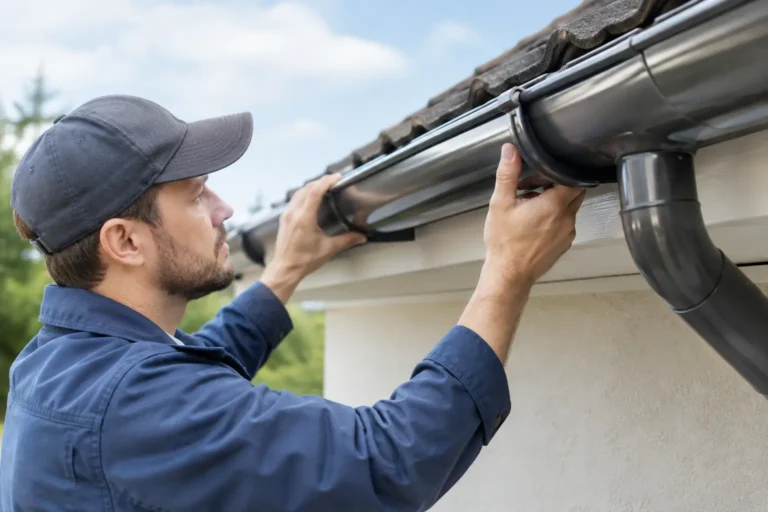
Professional installers measure and shape materials to suit each section of roofline. They secure the system so it performs without looking untidy from the street, and they check that water has a clear path into the gutter. This attention to detail is particularly valuable in leafy suburbs, where small leaves and seed pods can find their way into any poorly protected opening.
Protection during heavy rain
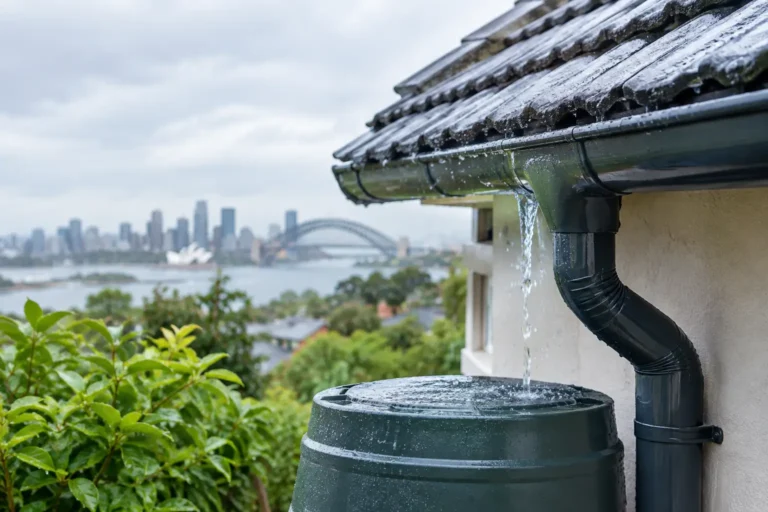
Sydney storms can test every part of a roof drainage system. When rain is falling hard, the guard must allow water to enter quickly while preventing leaves from washing into the gutter. The gutter itself must also be clean, correctly pitched and free-draining through the downpipes.
DIY installations can work well in light conditions but reveal issues during the first major downpour. If mesh is too flat, too loose, poorly positioned or clogged with old debris underneath, water can overshoot the gutter or back up at the roof edge. That can lead to overflowing gutters, wet eaves and water damage around the home.
The hidden cost of doing it twice
DIY guards can save money at the start, especially when only material costs are considered. The calculation changes if the system has to be removed, gutters cleaned again, damaged sections replaced or an overflowing gutter repaired after a storm.
There is also the value of your time. Collecting materials, setting up ladders, cleaning the roof, cutting mesh, fitting corners and clearing up can take much longer than expected. If access is difficult or the roofline has several angles, a project intended for one afternoon can become several weekends of work.
A professional service gives property owners a clearer outcome: the roof and gutters are cleaned, the right guard is installed and the site is left tidy. At DX Gutter Guard, this includes a focus on careful preparation, quality aluminium mesh systems and visible before-and-after roof photos, so customers can see the work completed rather than relying on guesswork from ground level.
When DIY gutter guards can make sense
DIY is not automatically the wrong choice. It can suit a small, single-storey outbuilding or a very accessible section of gutter where the roof is in good condition, the gutter is already clean and the installer has appropriate ladder safety knowledge. It may also be a short-term solution for a property owner who understands it will need regular checks.
Even then, do not install a guard over a gutter that is already blocked or damaged. Check for rust, loose brackets, sagging sections and slow downpipes first. A guard cannot correct underlying drainage faults.
DIY becomes much less suitable where the roof is steep, high, fragile or complex; where access is restricted; where trees create heavy debris loads; or where the property has a history of overflow. It is also worth seeking professional advice if bushfire ember exposure is a concern. Gutter protection can form part of a broader property maintenance plan, but it should be assessed alongside roof condition, surrounding vegetation and applicable bushfire requirements.
What to expect from a professional gutter guard service
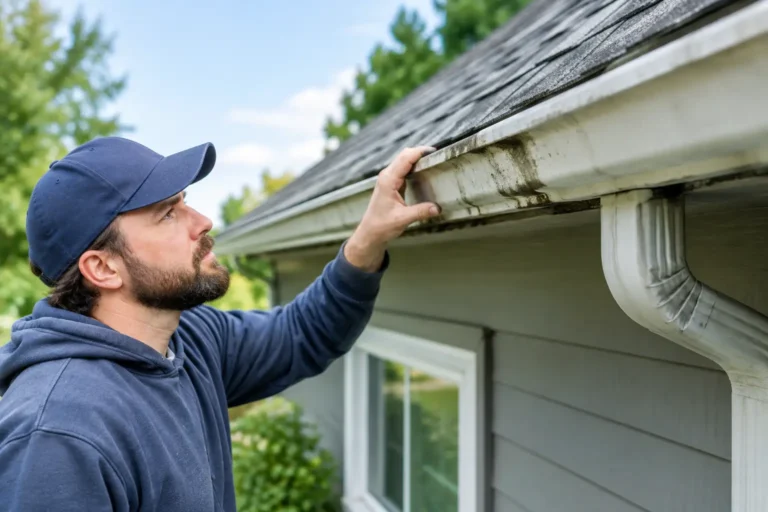
A reliable installer should not treat every roof the same. They should inspect the roofline, identify debris sources, assess access and discuss the condition of existing gutters before recommending a solution. The quote should explain what is included, particularly cleaning, preparation, installation and disposal of rubbish.
During the work, a professional team should protect the property, use safe access practices and avoid leaving cut mesh, screws or debris around gardens and footpaths. Once finished, the system should look neat, sit securely and be checked at the joins and drainage points most likely to collect debris.
Ask about workmanship coverage as well as the material itself. A long material warranty is useful, but it does not replace confidence in how the product has been installed. A 20-year workmanship guarantee provides reassurance that the company stands behind the quality of the fitting, not just the mesh supplied.
Choose protection that suits your property
The best decision depends on your roof, budget, access and the level of debris your property receives. For a straightforward, low-risk job, DIY may be a reasonable option if it is approached carefully. For most homes and commercial properties, professional installation delivers safer access, cleaner preparation and a system designed to perform through Sydney’s changing weather.
Your gutters protect more than the edge of your roof. Keeping them clear helps protect eaves, walls, foundations and the time you would otherwise spend dealing with preventable blockages. A clear assessment and a quality installation can turn an ongoing maintenance headache into lasting peace of mind.