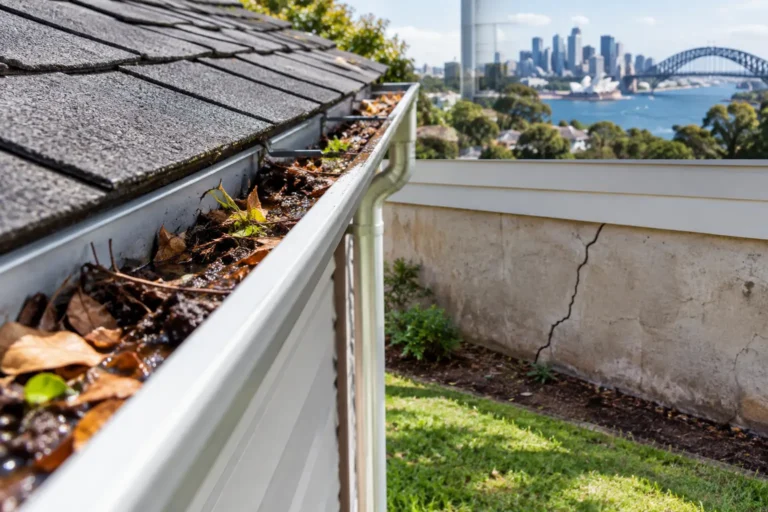
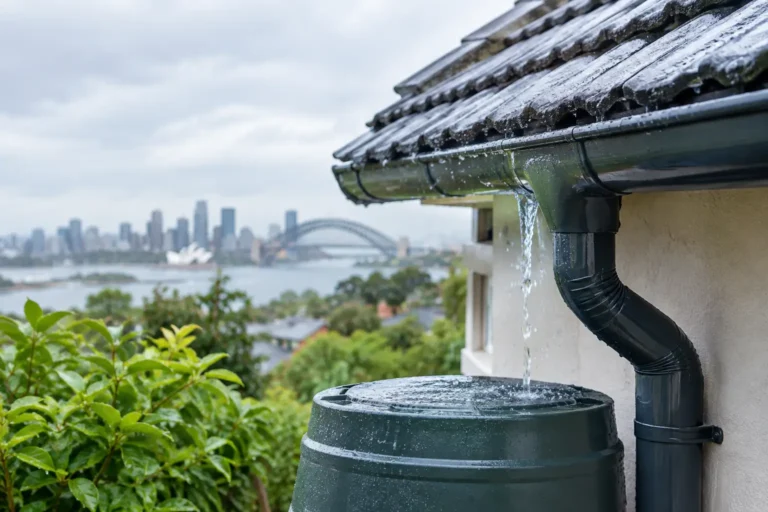
A tiled roof can look solid from the street, but its gutters often carry the real maintenance burden. Leaves, seed pods, bark and roof grit collect in the channels, particularly after Sydney storms. A properly fitted leaf guard for tiled roofs keeps debris out of the gutter while allowing rainwater to drain, reducing the regular clean-ups and the risk of water overflowing where it should not.
For homes surrounded by mature trees, this is more than a convenience. Blocked gutters can send water back towards fascias, eaves and walls, while dry leaf litter around the roofline can add to ember exposure in bushfire-prone areas. The right system needs to suit the roof, the gutter profile and the debris your property actually receives.
Why tiled roofs need a considered approach
Tiled roofs are not the place for a one-size-fits-all guard. Concrete and terracotta tiles overlap, sit on battens and can become brittle with age. Walking on them incorrectly or forcing guard material beneath them can cause cracks, shifted tiles or future leaks.
The gutter guard also needs to follow the roofline cleanly. If it is fitted too flat, fine debris may settle on top. If it is poorly supported, it can sag, lift in strong winds or create a point where water jumps over the gutter. A professional installation considers the roof pitch, tile condition, gutter angle, valleys and downpipe locations before any mesh is installed.
This matters especially on older Sydney homes, where tile profiles and guttering may have been altered over decades. A close inspection identifies issues such as loose tiles, rusted gutter sections or existing blockages that should be addressed before a guard goes on.
What a good leaf guard for tiled roofs should do
A gutter guard is not simply a cover placed over a gutter. Its job is to manage water and debris at the same time. Premium aluminium mesh is a practical choice for tiled roofs because it is lightweight, durable and shaped to let rainfall enter while keeping larger debris out of the gutter channel.
The mesh should be installed with secure support and neat finishes around corners, valleys and roof penetrations. Those details are where poorly installed products often fail. A guard that looks acceptable along a straight run can still allow debris into a valley outlet or lift at an exposed edge when the weather turns.
It should also be suited to local conditions. Fine mesh can be useful where small leaves, blossoms and seed pods are common, but no mesh is completely maintenance-free. Very fine material may sit on top after heavy leaf fall and needs occasional clearing to keep water flowing freely. The aim is to reduce gutter cleaning substantially, not promise that a roof will never need attention again.
Water flow matters as much as debris control
During a heavy downpour, water needs a clear path off the tiles and into the gutter. A well-fitted mesh guard uses the water’s natural flow to carry it through while leaves and twigs move over the edge or dry out on the surface.
If your roof has steep sections, large valleys or a history of gutter overflow, the installer should assess these areas individually. Extra attention may be needed at high-volume water points. Installing the same arrangement across every section without considering drainage can leave the property exposed during the storms when protection matters most.
The material and fixing method make a difference
Cheap plastic guards can become brittle under harsh sun, while lightweight brush and foam products often trap organic material inside the gutter. They may appear easy to install, but they can make cleaning more difficult once debris has worked its way through.
Professionally fitted aluminium mesh offers a more reliable long-term option when it is matched to the roof and securely fixed. The installation method should protect the tile edges and avoid unnecessary disturbance to the roof. Quality workmanship is as important as the mesh itself.
Clean first, then protect the system
Installing a guard over a dirty gutter defeats the purpose. Existing leaf litter, roof grit and sludge can block downpipes from below, even when the top of the gutter is protected. Before installation, the roof and gutters should be cleaned thoroughly, with debris removed from valleys, outlets and downpipes.
This preparation also gives the installer a clear view of the roofline. Small problems are easier to spot before they become expensive ones: a slipped tile, a loose ridge cap, deteriorated sealant or an overflowing downpipe connection. At DX Gutter Guard, this service-first approach means the system is installed on a clean, working base rather than covering up an existing maintenance issue.
After the work, visible before-and-after photos provide useful reassurance, particularly for property managers and owners who cannot safely inspect a roof themselves. A tidy site clean-up matters too. Leaves and offcuts should not be left in garden beds, on paths or around the building.
When gutter guard is especially worthwhile
A leaf guard can be a strong investment for many tiled-roof properties, but it is most valuable where the gutter is exposed to consistent debris or difficult access. Homes near gum trees, liquidambars, pines or dense neighbouring vegetation usually see the greatest reduction in cleaning requirements.
It is also useful when gutters are high, steeply accessed or positioned above decks, driveways and landscaped areas. Reducing the need for frequent ladder work helps limit avoidable safety risks. For commercial buildings and strata properties, it can also make maintenance planning more predictable by reducing call-outs after each major weather event.
In bushfire-prone locations, mesh gutter protection can help minimise the build-up of dry leaves and twigs in gutters. It should be treated as one part of broader property preparation, not as a fire-proofing solution. Roofs, valleys, guards and surrounding vegetation still need regular inspection and maintenance in line with local bushfire advice.
Expectations after installation
The best gutter guard systems reduce maintenance. They do not remove it entirely. Fine dust, pollen, roof moss and small organic matter can accumulate over time, and leaf material can collect on the mesh during periods of high shedding.
Most properties benefit from a visual check after severe storms and during peak leaf-drop periods. From the ground, look for water spilling over the gutter edge, obvious debris sitting in valleys or loose sections around the roofline. Do not climb onto a tiled roof to investigate. Tiles can be slippery, fragile and unsafe to walk on without the right experience and equipment.
Arrange professional maintenance if you notice persistent overflow, sagging mesh, water marks on eaves or a downpipe that appears blocked. Addressing a small issue early is generally simpler than dealing with water damage after repeated overflow.
Choosing an installer in Sydney
When comparing quotes, look beyond the headline price. Ask what preparation is included, what mesh material will be used, how the guard will be fitted to your particular tile profile, and whether valleys and downpipes are part of the assessment. A clear answer is a good sign that the installer understands the job rather than treating every roof the same.
It is also worth asking about workmanship cover and what happens if an issue appears after installation. Premium aluminium mesh with a 20-year workmanship guarantee provides stronger confidence than an unverified product installed without a clear commitment to the finished result.
Your roof and gutters protect the rest of the property every time it rains. If leaves are already filling the gutters or you are tired of arranging repeated clean-outs, a professionally installed guard can make the job safer, cleaner and far more manageable. Request a tailored quote based on your roof, your trees and the conditions around your property – because the right protection starts with a proper inspection.