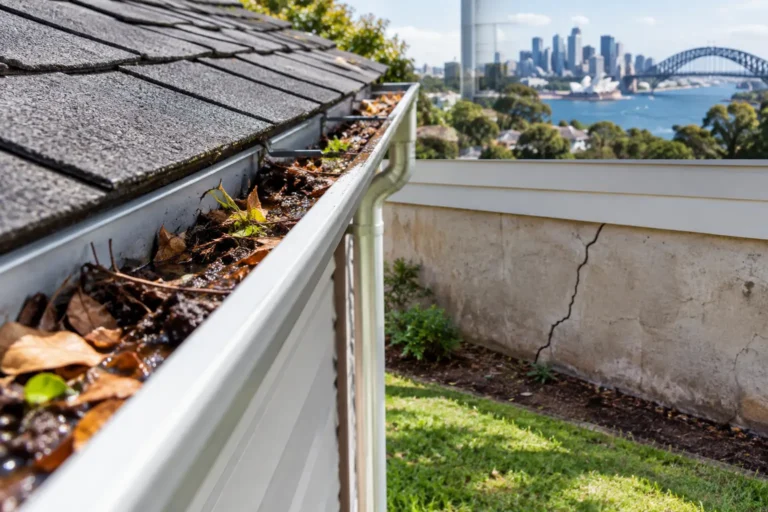
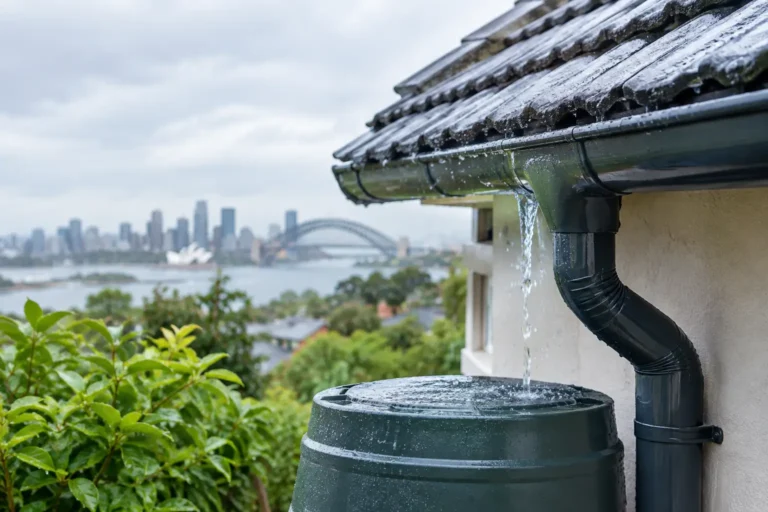
A hot ember can travel well ahead of a bushfire front, land in a dry gutter full of leaves and create a problem no property owner wants to face. So, are gutter guards fire resistant? The honest answer is that quality aluminium gutter guards can help reduce fire risk, but no gutter guard should be treated as a stand-alone fire-proofing solution.
For Sydney homes, particularly those near bushland or beneath established trees, the material, fit, cleanliness and condition of the whole roof drainage system all matter. A professionally installed aluminium mesh guard keeps far less leaf litter inside the gutter, helping remove a common source of fuel around the roofline.
Are gutter guards fire resistant in practice?
Premium aluminium mesh gutter guards are well suited to fire-conscious properties because aluminium does not readily ignite like plastic. It is a durable metal material that can withstand the heat exposure associated with airborne embers far better than many lower-grade alternatives.
That does not mean every guard system is the same, or that aluminium cannot be affected by extreme heat. Intense fire conditions can distort or damage metal, and the performance of a guard depends on the full installation. The mesh, gutter profile, roof edges, fasteners and surrounding debris all play a part.
More importantly, a guard cannot stop embers from landing on the roof itself, collecting in roof valleys or entering other vulnerable gaps in the building. Its key benefit is practical: it helps prevent gutters becoming packed with dry leaves, bark, twigs and other flammable debris.
For properties in bushfire-prone areas, gutter guards should be considered as one part of a wider maintenance and protection plan. Your building requirements may also depend on the property’s Bushfire Attack Level, often referred to as BAL. A professional should assess whether the selected product and installation are appropriate for your home and local requirements rather than relying on broad claims about any mesh being ‘fireproof’.
Why clean gutters matter during ember attack
Blocked gutters are more than a drainage problem. When leaf litter sits in a gutter through a dry Sydney summer, it can become light, brittle and easy to ignite. If embers reach that material, flames can sit directly against fascia boards, eaves and the roof edge.
A well-fitted mesh guard reduces the volume of debris that falls into the gutter channel. Rainwater can still move towards the downpipes while leaves remain on top of the mesh, where wind and natural weathering may help clear lighter material. This can significantly reduce the regular build-up that makes gutters difficult and hazardous to clean.
There is a crucial distinction, though. Reducing debris inside the gutter is not the same as eliminating debris from the roof. Fine leaves, needles and bark can still gather on top of gutter guards, in valleys, behind chimneys and around solar panels. If that material is allowed to build up, it can still present a fire risk.
That is why gutter protection works best alongside scheduled roof and gutter cleaning. Before any guard is installed, the roof, gutters and downpipes should be thoroughly cleared so the system starts clean. Ongoing inspections then help identify material sitting on top of the guard or caught in areas the mesh cannot cover.
Aluminium mesh versus plastic gutter guards
Material is one of the first things to check when fire safety is a concern. Plastic guards are common in the market, but they are not the preferred choice for many homes exposed to heat, UV and ember risk. Plastic can become brittle over time in harsh sun, may warp, and can create a different fire concern depending on the product.
Aluminium mesh offers a stronger long-term option for many Sydney properties. It is lightweight, corrosion-resistant and does not provide the same combustible fuel source as plastic. A premium mesh is also fine enough to keep out much of the leaf litter that blocks gutters, while still allowing rainwater to pass through.
However, aluminium alone is not a guarantee of performance. The mesh must be correctly sized and securely fixed for the roof and gutter type. Poorly installed guard can lift in strong winds, create places for debris to catch, restrict water flow or leave exposed gaps where leaves can enter.
At DX Gutter Guard, the focus is on premium aluminium mesh systems installed after thorough preparation and cleaning. The goal is not simply to place mesh over a problem. It is to leave the roofline cleaner, the drainage path clearer and the property better protected from recurring debris build-up.
Installation details that affect fire resistance
The quality of installation matters as much as the material. A gutter guard should sit neatly and securely across the gutter opening, with attention paid to roof valleys, corners, joins and areas where debris naturally collects.
If there are gaps at the edges or sections of loose mesh, leaves can enter and accumulate underneath. If mesh is installed without clearing existing sediment and blockages, water flow problems remain hidden below the guard. Both outcomes defeat the purpose of installing protection in the first place.
Roof shape also changes the approach. A low-set home with broad gutters may need a different fitting method from a steep roof beneath large gum trees. Commercial buildings can have long runs of guttering, internal box gutters or difficult-access sections that require careful planning. The right solution is based on the site, not a one-size-fits-all product claim.
Professional installers can also identify related issues while preparing the roofline. Damaged gutter brackets, overflowing downpipes, loose roof tiles and heavy valley debris should be addressed before they become bigger maintenance or safety problems.
Gutter guards still need maintenance
One of the most common misunderstandings is that gutter guards mean gutters never need attention again. Quality mesh can dramatically reduce the frequency and difficulty of cleaning, but it does not remove the need for maintenance altogether.
Properties beneath dense trees may still need seasonal roof inspections, especially after high winds, storms or long dry periods. Look for leaves collecting on top of the mesh, build-up in roof valleys, debris around downpipes and any signs of water overflowing during rain.
You should also check that the mesh remains firmly attached and that water is flowing correctly. Do not climb onto the roof unless it is safe and you are equipped to do so. Roof access brings real risks, particularly on wet tiles, steep pitches and multi-storey buildings. A professional inspection is the safer option when access is difficult.
For bushfire preparation, maintenance should happen before the hottest and driest part of the season, not after debris has had months to accumulate. Clearing roof valleys, checking gutters and removing flammable material from around the home gives you more confidence when conditions change quickly.
Choosing a guard system for a Sydney property
The best gutter guard for fire-conscious property owners is one that combines durable, suitable material with correct installation and a realistic maintenance plan. Aluminium mesh is a strong option because it helps reduce combustible debris in gutters without relying on a combustible cover material.
Ask whether the roof and gutters will be cleaned before installation, how the mesh will be secured, and how tricky areas such as valleys and corners will be handled. It is also worth asking what workmanship guarantee applies and whether you will receive clear evidence of the completed work, such as before-and-after roof photos.
If your home is in a designated bushfire-prone area, discuss your BAL requirements with an appropriately qualified professional. A gutter guard installer can help with the roof drainage side of protection, but building compliance and bushfire planning may involve other specialists and measures around the property.
A clean, professionally protected gutter system is one practical way to reduce preventable risk at the roofline. Arrange an inspection before debris becomes a problem, and you can head into the next dry season with cleaner gutters, safer access and greater peace of mind.