A blocked gutter on a commercial property is rarely a small problem. Water can overflow onto walkways, soak fascias, enter ceiling spaces and interrupt tenants or customers below. In leafy parts of Sydney, one storm can deposit enough leaves, twigs and roof debris to expose an already neglected drainage system. This commercial gutter protection guide explains how property owners and managers can choose a practical system that reduces maintenance pressure while protecting the building.
Commercial gutter protection is not simply about keeping leaves out. The right system needs to suit the roof profile, gutter size, surrounding trees, drainage layout and access requirements of the site. A solution that looks fine from the ground but restricts water flow or cannot be safely maintained may create more work, not less.
Why commercial gutters need a different approach
Commercial sites often have larger roof catchments than homes, which means more water reaches the gutter system in a short period during heavy rain. Warehouses, strata buildings, schools, offices, retail premises and multi-unit properties may also have long gutter runs, internal box gutters, complex rooflines or areas that are difficult to access safely.
When debris builds up, the consequences can move quickly from inconvenience to damage. Overflowing water can stain external walls, deteriorate timber and metal components, affect insulation and create slip hazards near entrances. Where gutters sit close to roof valleys, solar panels or air-conditioning equipment, clearing them can be more complicated and costly.
For properties near bushland or in suburbs with heavy tree cover, dry leaf litter is also a fire-risk concern. Gutter protection does not replace broader property preparation, but reducing combustible debris around roof drainage areas is a sensible part of a maintenance plan.
What a commercial gutter guard should do
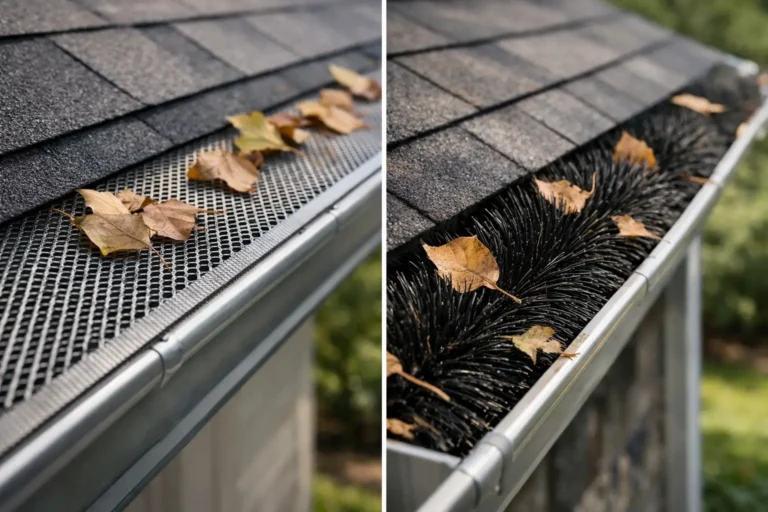
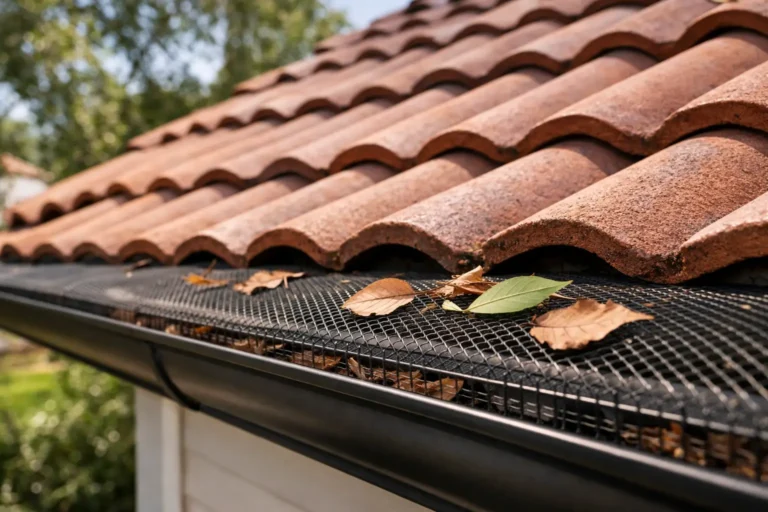
A quality guard should allow rainwater to enter the gutter while stopping most leaves, small branches and roof debris from collecting inside it. It should sit securely across the gutter opening, handle normal weather exposure and suit the particular roof material without compromising the existing roof system.
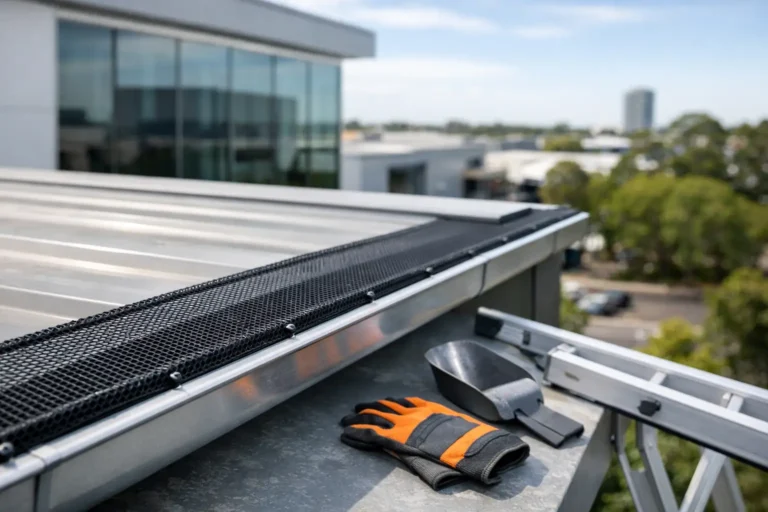
Premium aluminium mesh is a strong option for many Sydney commercial properties because it is lightweight, corrosion-resistant and designed to handle ongoing exposure to sun and rain. The mesh needs to be installed with correct fixing methods and a clean finish. A poorly fitted guard can lift, sag, create gaps or trap debris where it should be shedding it away.
It is equally important to set realistic expectations. No guard makes a roof entirely maintenance-free, especially beneath gum trees, jacarandas or dense canopy. Fine material, flowers, seed pods and dirt can still settle on top of the mesh. The goal is to greatly reduce the debris entering the gutter, make ongoing cleaning more manageable and lower the likelihood of surprise blockages.
Choosing protection for your roof and site
The best commercial gutter protection system depends on the building, not a one-size-fits-all product. Before installation, a professional should inspect the roof condition, gutters, downpipes, access points and surrounding vegetation. This assessment identifies existing problems that a guard alone cannot fix, such as rusted gutter sections, poor falls, undersized downpipes or loose brackets.
Roof pitch and water volume
Steep roofs shed water and debris differently from low-pitch commercial roofs. Large roof areas can send significant volumes of water into a single gutter line, particularly in a Sydney downpour. The mesh profile and installation method must support water entry without creating an obstruction at the gutter edge.
If the gutter is already too small for the roof catchment or has inadequate drainage, installing guard will not solve the underlying issue. Those issues should be addressed first so the protection system can perform as intended.
Debris type matters
Not all leaf problems are the same. Large, dry leaves may sit on the surface and blow away easily, while fine needles, bark, blossoms and seed pods can compact into a dense layer. Properties near tall gum trees need a system suited to frequent fine debris, while sites beneath deciduous trees may face a heavy seasonal leaf drop.
A local installer should consider what falls on the roof throughout the year, not only what is visible during an inspection. This helps determine whether a finer mesh, more regular surface cleaning or a different installation detail is appropriate.
Access and safety requirements
Commercial maintenance must be planned around safe roof access. Some properties have clear access from the ground, while others require elevated work equipment, controlled access zones or work outside trading hours. Guard installation can reduce the frequency of gutter cleaning, but a safe way to inspect the roof and clear surface debris should remain part of the plan.
For property managers, this is one of the strongest benefits of a professionally designed system. It turns reactive call-outs after storms into more predictable maintenance, with less need for repeated high-risk access to blocked gutter lines.
Preparation is as important as the guard
Installing mesh over dirty or damaged gutters is a shortcut that causes problems later. Before any guard goes on, the roof and gutters should be cleaned thoroughly. Existing leaves, sludge and rubbish need to be removed, downpipes checked for clear flow and visible gutter defects identified.
Cleaning also provides a valuable opportunity to inspect roof valleys, flashings and drainage points. If water has been overflowing for some time, there may be signs of staining, corrosion or deterioration that need attention. Addressing these issues before installation gives the guard system a sound starting point.
At DX Gutter Guard, this preparation is treated as part of the protection work, not an optional extra. A proper clean, professional installation and clear before-and-after roof photos help property owners see the condition of the site and the work completed.
Questions to ask before approving a quote
Price matters, but a low quote can be misleading if it does not include cleaning, safe access, quality materials or proper finishing. Ask what material is being installed, how it will be secured and whether the roof and gutters will be cleaned first.
You should also confirm how the installer handles damaged sections found during the job, whether site cleanup is included and what workmanship guarantee applies. For commercial sites, ask about scheduling around tenants, customers and business operations. Clear communication before work starts prevents delays and avoids surprises on the day.
A worthwhile quote should explain the proposed work in plain language. You should know what is included, what has been observed on the roof and whether any repairs or additional maintenance are recommended.
Maintain the system after installation
Gutter guard is long-term protection, not a reason to ignore the roof. A simple inspection schedule helps maintain performance and catches unrelated roof issues early. For many Sydney commercial properties, an inspection after major storms and at least once or twice each year is sensible. Sites under heavy trees may need more frequent attention.
During an inspection, look for debris sitting in roof valleys, build-up on the mesh, loose sections, overflowing water marks and blocked downpipe outlets. Surface debris should be removed carefully by trained professionals rather than washed into downpipes. High-pressure cleaning can damage roofing materials or force debris into drainage points when used incorrectly.
Keeping records of inspections, cleans and any repairs is particularly useful for strata committees and facility managers. It creates a clearer maintenance history and helps identify recurring trouble spots before they become expensive repairs.
When gutter protection delivers the best value
Commercial gutter guard delivers the strongest value where blockages are regular, roof access is difficult or the cost of water damage would be high. It can be particularly effective for buildings with leafy surrounds, properties with tenants below vulnerable rooflines and sites where emergency cleaning disrupts operations.
There are trade-offs. A building with no nearby trees and easy access may only need a disciplined cleaning schedule. A site with deteriorated gutters may need repairs before protection is installed. Yet for many commercial properties, quality mesh shifts the focus from repeated blockage emergencies to planned, safer maintenance.
The right result is a clean roof drainage system, carefully fitted protection and a maintenance plan that matches the property. When the next heavy rain arrives, that preparation can be the difference between water flowing where it should and a preventable problem spreading through the building.