A gutter guard that looks fine from the ground can still create problems when Sydney storms, gum leaves and fine debris arrive. When comparing gutter mesh vs gutter brush, the real question is not which option fills the gutter fastest. It is which one keeps water moving, reduces maintenance and protects your roofline over the long term.
Both products are designed to sit at the top of the gutter and block larger debris. But they work in very different ways. For homes in leafy suburbs, properties beneath large trees or buildings exposed to wind-blown debris, those differences can affect cleaning frequency, overflow risk and the life of the gutter system.
What is the difference between mesh and brush guards?
Gutter brush guards are long, cylindrical bristle inserts placed inside the gutter. The bristles are intended to catch leaves on top while allowing rainwater to pass through and into the gutter below. They are usually quick to fit and can be appealing as a lower-cost option for simple sections of guttering.
Gutter mesh is fixed across the gutter opening, creating a physical barrier between the roof and the gutter channel. Quality aluminium mesh systems are shaped and secured to suit the roof edge, allowing water to enter while directing leaves and larger debris away from the gutter.
The key difference is where debris collects. A brush holds debris within the gutter itself. Mesh aims to keep most debris above the gutter, where wind and rain can move it along or off the roof. Neither option makes a property completely maintenance-free, but mesh generally provides a more controlled, durable solution when installed correctly.
Gutter mesh vs gutter brush for Sydney conditions
Sydney roofs face more than a few falling leaves. Heavy rain, wind, flowering trees, eucalyptus litter, seed pods and roof grit can all test a gutter guard system. The right choice depends on the surrounding trees, roof design and how much protection the property needs.
Handling leaves and larger debris
Gutter brushes can stop larger leaves from reaching the bottom of the gutter, but those same leaves often become caught in the bristles. Over time, debris can build up across the brush, reducing the space available for water to flow. Wet organic material may also break down inside the gutter, creating sludge that still needs to be removed.
Aluminium gutter mesh provides a smoother surface. Leaves, twigs and bark generally sit on top rather than becoming tangled inside the gutter. On a roof with a suitable pitch, rain and wind can help shift this material away. Some debris will still need clearing, particularly in roof valleys and around low-pitched areas, but access to the gutter channel remains protected.
For properties surrounded by gum trees or dense vegetation, this difference matters. A guard should reduce the volume of material entering the gutter, not simply hold it above the water channel.
Fine debris, roof grit and water flow
Brush guards have open spaces between their bristles. Fine leaf matter, small seeds and roof grit can work their way down through those spaces, especially during sustained rain. Once this material settles at the bottom of the gutter, it can restrict the outlet and contribute to blockages.
A properly selected mesh aperture is better suited to filtering small debris while still allowing rainwater through. The mesh must be matched to the roof and installed with correct tension, fall and fixing points. If it is poorly fitted or incompatible with the roof profile, water can overshoot the gutter in heavy downpours. This is why professional assessment matters more than simply choosing the product with the smallest holes.
Bushfire and ember considerations
For homeowners in bushfire-prone parts of Sydney, keeping combustible leaf litter out of gutters is a practical maintenance priority. A brush can trap dry leaves and material within the gutter line. That does not suit a property where reducing debris accumulation is a key concern.
Metal mesh helps prevent leaf litter from entering and collecting inside the gutter. However, bushfire protection requirements vary by location, building type and Bushfire Attack Level. A gutter guard alone is not a substitute for a broader property protection plan or any required compliance measures. A site-specific inspection can identify the most suitable approach.
Durability in sun and weather
Gutter brushes are exposed to UV, rain and trapped organic matter. Their bristles can flatten, deteriorate or become difficult to clean over time. They may be adequate for a short-term or low-debris situation, but they are not usually the strongest choice for long-term protection on a heavily treed property.
Premium aluminium mesh is designed for exterior conditions and offers better resistance to corrosion than many basic guard materials. Durability still depends on the quality of the mesh, the fixings and the installation work. A strong guard system should sit securely, suit the roofline and avoid creating unnecessary stress on the gutter.
Installation is where performance is decided
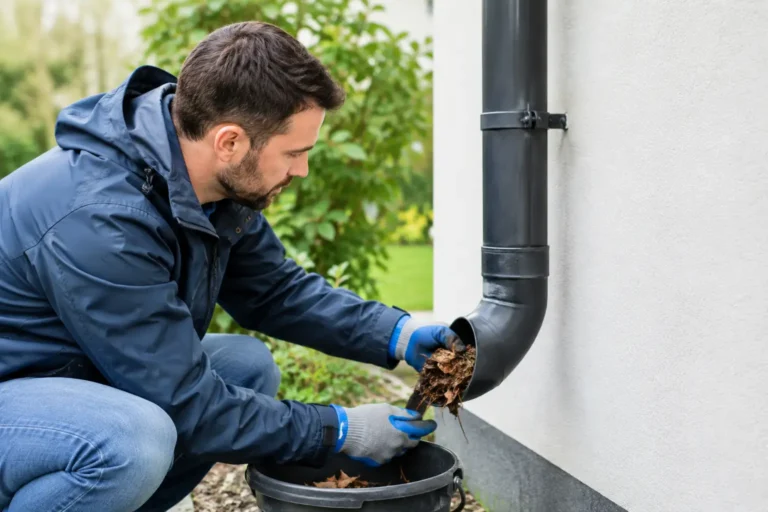
Even the best gutter guard cannot perform well over gutters that are already full of leaf matter, mud or deteriorating debris. Before installing protection, the roof and gutters need to be cleaned thoroughly. Downpipes should be checked, existing blockages removed and any obvious gutter issues identified.
Brushes are often treated as a simple drop-in product. That can make them tempting for property owners looking for a quick fix, but it can also leave underlying cleaning and drainage problems unresolved. If the brush clogs with debris, it needs to be lifted out and cleaned before the gutter can be properly cleared.
Mesh installation is more involved because it needs to be shaped and secured correctly. This is a benefit when the work is done by an experienced specialist. The guard can be fitted around roof valleys, corners and roof penetrations with attention to drainage, access and finish. At DX Gutter Guard, preparation, professional installation and site clean-up are treated as part of the protection system, not optional extras.
Which gutter guard is right for your property?
A gutter brush may suit a straightforward property with very light leaf fall, easy roof access and an owner prepared to inspect and clean the guard regularly. It can be a temporary answer where the budget is tight and the consequences of a blocked gutter are low.
For most Sydney homes and commercial properties, gutter mesh is the more dependable long-term option. It is especially well suited to properties with established trees, recurring gutter blockages, difficult roof access or a need to reduce maintenance safely. It also makes sense for owners who want protection that looks neat from the ground and is designed as a fitted system rather than a loose insert.
Roof design should guide the final decision. Steep roofs, tiled roofs, metal roofs, internal box gutters and areas beneath roof valleys all behave differently in heavy rain. The volume of water, the direction of runoff and the amount of debris falling onto the roof can change what is suitable. A professional quote should consider these details rather than offering one guard for every building.
Gutter guards still need periodic care
No guard can guarantee that a roof will never need maintenance. Fine material can settle on top of mesh, branches can land after storms, and roof valleys can collect debris regardless of the gutter protection below. Regular visual checks are sensible, particularly after severe weather or during high leaf-fall periods.
The advantage of a quality mesh system is that maintenance is usually simpler and less frequent. Instead of repeatedly clearing packed gutter channels, most attention can be directed to removing surface debris and checking that water is flowing freely through downpipes. This can reduce the need for risky, repeated access to the roof while helping to prevent avoidable overflow and water damage.
The best gutter guard is the one matched to your roof, trees and maintenance needs, then installed over clean, working gutters. If your property regularly collects leaves or overflows after rain, a proper inspection is a safer starting point than another temporary fix.