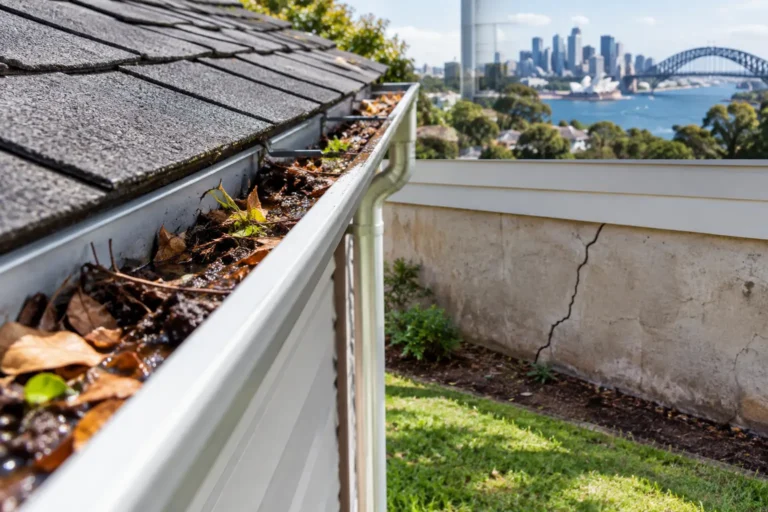
A roof can look fine from the footpath while its gutters, valleys and lower roof sections are holding damp leaf litter, soil and branches. That hidden buildup is where water flow problems, overflowing gutters and unnecessary fire risk often begin. Genuine before after roof cleaning results should show more than a brighter roofline – they should show that debris has been removed from the areas that affect your property’s protection.
For Sydney homes and commercial properties, roof cleaning is not simply about appearance. Leafy streets, coastal winds, heavy rain and storm debris can quickly load a roof with material that blocks drainage. A proper clean gives you a clear view of the roof’s condition and prepares the system for ongoing protection.
What before after roof cleaning results should show
The most convincing results are practical, not over-edited. Before photos should show the actual condition of the roof, including leaves caught in valleys, debris behind solar panels where accessible, blocked gutters, built-up dirt around downpipes and branches resting on the roofline. After photos should make it easy to see that those problem areas have been cleared.
On a well-completed job, you should be able to see clean roof valleys that allow rainwater to move freely towards the gutters. Gutters should be cleared of leaf matter and sediment, while downpipes should be checked for obvious blockages. The ground below should also be left tidy, with removed debris collected rather than left around garden beds, paths or driveways.
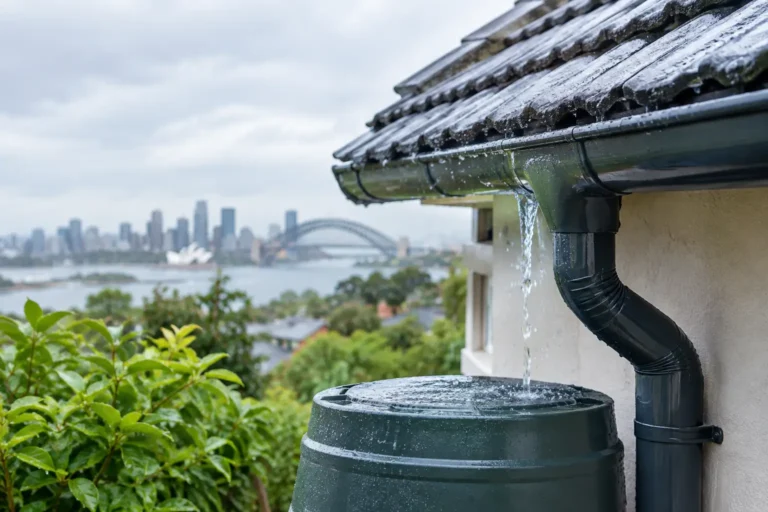
The difference is often most noticeable after rain. Before cleaning, water may spill over the front of the gutter or pool around roof sections. After cleaning, rainwater should have a clearer path through the roof drainage system. Cleaning cannot repair damaged gutters, cracked tiles or failed flashings, but it removes the debris that can hide or worsen those issues.
A cleaner roof is not always a pressure-washed roof
When people search for roof cleaning, they often picture a dramatic colour change created by high-pressure washing. That approach is not suitable for every roof and should never be treated as the default. The right method depends on the roof material, its age, pitch, condition and the type of buildup present.
For many properties, the priority is a detailed debris clean rather than aggressive washing. Dry leaves, twigs, seed pods and dirt are removed from gutters, valleys and drainage points using appropriate equipment and safe access methods. This protects water flow without unnecessarily disturbing tiles, coatings or fragile roof components.
Where moss, lichen or staining are present, a specialist should assess the surface before recommending treatment. Older tiles, brittle ridge capping and weathered metal roofing require care. A roof that looks dramatically different after a harsh clean is not necessarily a better result if the process has compromised the surface or pushed dirty water into areas it should not reach.
That is why honest before-and-after photos matter. They show the condition that was found, the work completed and the visible outcome, without promising that every roof will look brand new.
The areas that matter most on Sydney roofs
A professional roof clean focuses on the points where debris causes the most trouble. Gutters are the obvious one, but they are only part of the picture. Roof valleys collect a surprising amount of leaf litter because they act as natural channels. Once packed with debris, they can hold moisture and slow the flow of water into the gutter.
Gutter outlets and downpipes also need attention. A gutter may look clear along its length but still overflow if the outlet is choked with sludge or leaves. Debris behind chimneys, around skylights and near solar panels can also trap moisture or wash into gutters during the next downpour.
Overhanging branches deserve consideration as well. Cleaning the roof solves the immediate buildup, but branches that continue to drop leaves, bark and seed pods will shorten the time before the next clean is needed. In some cases, sensible pruning and gutter guard installation provide a longer-term answer.
Why clean gutters change the whole result
A roof clean without a proper gutter clean is only half a job. The roof sheds debris downhill, and if the gutters are full, that material remains in the drainage system waiting for the next storm. Water can then overflow towards eaves, fascia boards, walls and the ground around the building.
For homes in bushfire-prone or heavily treed parts of Sydney, dry leaves in gutters and roof valleys also create a concern beyond water damage. Embers can ignite dry debris during a bushfire event. No cleaning service can remove every property risk, but removing accumulated fuel from the roofline is a sensible part of property maintenance.
This is where a combined service makes practical sense. DX Gutter Guard cleans and prepares the roof and gutter system before installing premium aluminium mesh gutter protection where it is suitable. The goal is not just a tidy before-and-after photo. It is to reduce recurring leaf buildup and help the system continue doing its job between maintenance visits.
What can affect the final appearance
Not every roof will deliver the same visual transformation. A newer metal roof covered in dry leaves may look significantly cleaner once debris is removed. An older tiled roof with permanent staining, faded colour or weathered surfaces may be safer and cleaner after service while still showing its age.
Roof pitch matters too. Steeper roofs can accumulate debris in different areas and require more complex safety planning. Properties beneath large gum trees may need more frequent maintenance than homes with little overhead foliage. Recent storms can also change the amount of material found on a roof from one visit to the next.
It is worth separating a clean roof from a repaired roof. Cleaning may reveal broken tiles, loose ridge capping, corroded gutter sections or damaged seals that were hidden under debris. Finding those issues is useful, but they may require repair work outside the scope of a standard clean. A reliable contractor should explain what has been found clearly rather than treating cleaning as a cure for every roof problem.
How to judge whether the job was done properly
Before-and-after images are valuable because you cannot safely inspect every part of your own roof from ground level. Ask for photos that show the valleys, gutter lines and areas with the heaviest buildup, not only a distant shot of the roof surface. Clear images create confidence that the work was completed where it mattered.
You should also expect straightforward communication about access, safety and any issues noticed during the clean. Professional roof work takes account of wet weather, fragile materials, electrical hazards and safe roof access. Rushing onto a roof for a quick visual result can create more problems than it solves.
A tidy finish is another sign of care. Leaf litter should not be left clogging drains at ground level or scattered through the garden. The work area should be cleaned up, and you should know whether your gutters and roof valleys are clear, whether any concerns were identified and what maintenance is likely to be needed next.
Turning a visible result into longer-term protection
The best time to think about gutter protection is after the roof and gutters have been properly cleaned. Installing gutter guard over existing debris traps the problem beneath the mesh. Preparation first gives the guard system a clean base and allows water to drain as intended.
Premium aluminium mesh gutter guard can reduce the amount of leaf litter entering gutters while allowing rainwater to pass through. It will not make a property maintenance-free, especially in dense tree cover, but it can significantly reduce the frequency of gutter cleaning and help prevent sudden blockages after windy weather.
Before after roof cleaning results are most valuable when they give you confidence in what has been removed and a practical plan for keeping it that way. A clean roofline, free-flowing gutters and a well-prepared protection system can make the next Sydney storm far less worrying.