A gutter guard can look fine from the ground yet fail at the first serious downpour. Fine leaf matter may collect on top, plastic can become brittle under harsh sun, and a poorly fitted guard can let debris into the gutter where it is hardest to remove. This aluminium mesh comparison looks at the options Sydney property owners commonly consider and the factors that make the real difference over time.
For homes surrounded by trees, commercial sites with long rooflines, and properties in bushfire-prone areas, the right system is about more than reducing gutter cleaning. It needs to manage water properly, stand up to weather, and be installed with enough care that it protects the gutter rather than creating another maintenance issue.
Aluminium mesh comparison: the options that matter
Not all gutter protection works in the same way. Some products sit inside the gutter, some cover the opening, and others are fixed across the gutter edge. Their materials and installation methods affect water flow, debris shedding, longevity and how accessible the gutter remains for future maintenance.
Aluminium mesh gutter guards
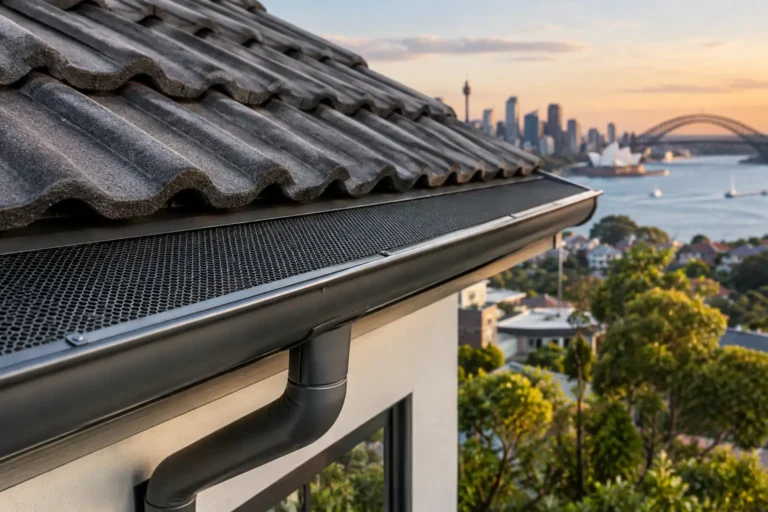
Aluminium mesh is fitted over the gutter opening to form a physical barrier against leaves, twigs and roof debris. A quality mesh is designed with small openings that allow rainwater through while keeping larger debris on top, where wind and normal rainfall can help move it away.
For many Sydney properties, aluminium is a practical material choice because it is lightweight, corrosion-resistant and suited to the local climate. It does not carry the rust risk associated with ordinary steel products, and it is less likely to become brittle in the sun than lower-grade plastic guards. The key is choosing a purpose-made gutter mesh and having it securely fitted to suit the roof and gutter profile.
Mesh is not maintenance-free. Fine material, such as small leaf fragments, pollen and seed pods, can still settle on the surface in heavily treed locations. However, it greatly reduces the amount of debris entering the gutter itself, which makes ongoing maintenance safer and more manageable.
Plastic gutter guards
Plastic guards are often selected because they appear inexpensive at the outset and can be readily available. They come in several forms, including clip-in screens and flexible mesh rolls.
The trade-off is durability. Sydney roofs are exposed to strong UV, heat, heavy rain and temperature changes. Over time, plastic can fade, warp, crack or lose its secure fit. Once gaps develop, leaves can enter the gutter, while broken sections may restrict water flow or create loose material around the roofline.
Plastic products may suit a short-term or low-exposure application, but they are rarely the strongest long-term choice for a leafy property where reliable protection is the priority. Replacement costs and repeated call-outs can quickly reduce the apparent saving.
Steel mesh and steel screens
Steel guards can provide strength, but the type of steel matters. Galvanised or coated steel may be vulnerable to corrosion once its protective finish is scratched, worn or affected by prolonged moisture. This is particularly relevant where gutters hold damp leaf matter after storms.
Stainless steel offers better corrosion resistance, but it can be more expensive and is not automatically a better system simply because it is strong. The mesh aperture, profile, fixings and installation quality still determine whether water enters freely and debris is kept out.
In a direct aluminium mesh comparison with standard steel screen, aluminium often provides an effective balance of corrosion resistance, weight and practical performance. The right choice should still be based on the roof type, surrounding trees and condition of the existing guttering.
Brush and foam inserts
Brush guards sit inside the gutter and use bristles to catch leaves while allowing water to pass through. Foam inserts fill the gutter channel and aim to block debris at the top. Both can be quick to install, but they work very differently from a fixed mesh cover.
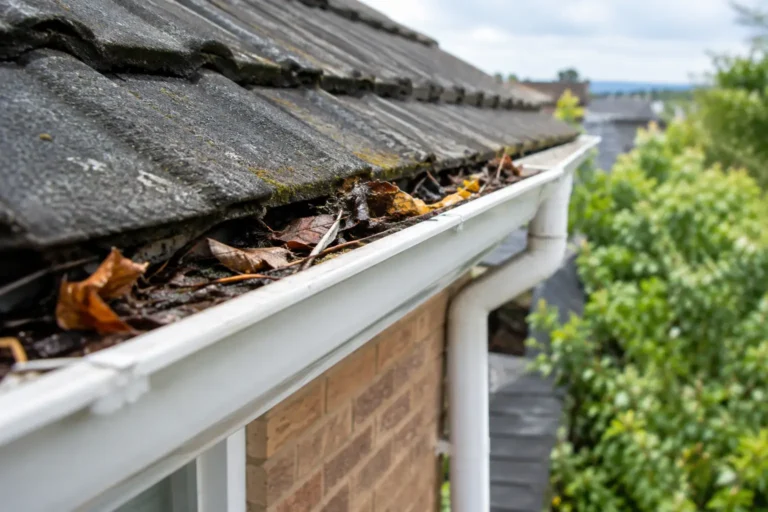
Their main limitation is that debris is caught within the gutter line. Leaves, needles and fine material can lodge in the brush or foam, hold moisture and eventually create a compacted layer. This can restrict drainage and make cleaning more difficult, not less.
For property owners seeking lasting protection from blocked gutters, these products are generally less suitable than a professionally installed surface mesh system. They can be useful in limited situations, but they do not provide the same clear, covered barrier across the gutter opening.
What makes aluminium mesh a better fit for many Sydney homes?
The best gutter guard is not the one with the biggest claim on the packet. It is the one that suits the building, directs water into the gutter and stays secure through changing weather.
Aluminium mesh performs well when it is matched to the property. Its fine openings help stop common gutter-blocking debris, including leaves, small twigs and roof litter, while allowing rainwater to drain into the gutter. This is especially valuable in leafy Sydney suburbs, where a single storm can fill unprotected gutters quickly.
It can also support better fire-risk management. No gutter guard can make a property fireproof, and regular roof and gutter maintenance remains necessary. But keeping dry leaf buildup out of gutters reduces one area where combustible material can accumulate near the roofline. For homes in bushfire-prone locations, this is a practical consideration alongside a broader property protection plan.
Aluminium mesh also allows a professional installer to create a tailored fit around valleys, corners, downpipes and changing roof sections. These details matter. A guard that is merely laid across the gutter may lift, sag or leave entry points for debris. A properly secured system is designed to stay in place without compromising the roof or gutter function.
Installation is part of the product
Even premium aluminium mesh will not perform as intended if it is installed over gutters already full of sludge, damaged sections or blocked downpipes. The preparation work is not an optional extra.
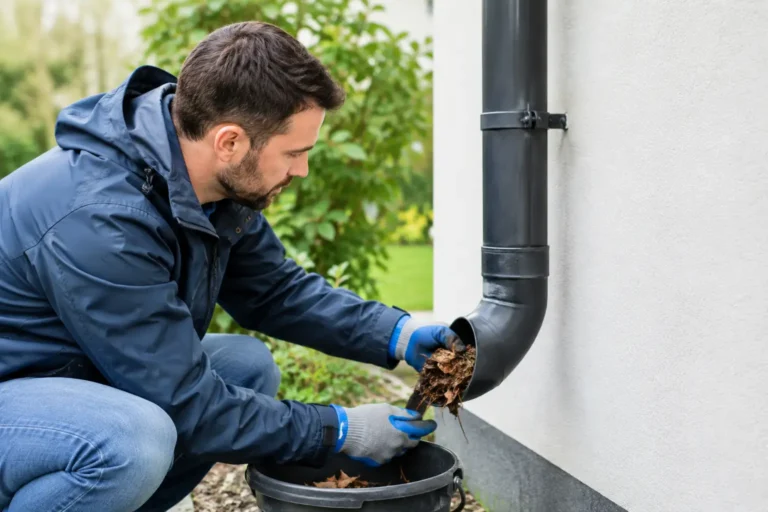
Before installation, the roof and gutters should be assessed and cleaned. Existing debris needs to be removed, gutter flow checked, and any obvious issues identified. This gives the guard a clean base and ensures water has a clear path from the roof to the downpipe.
Attention to fixing points is equally important. The mesh needs to sit at the right angle and be secured for the specific roof and gutter configuration. Poorly placed screws, loose clips or an uneven profile can lead to lifting, water overshooting the gutter or debris catching at the edge.
At DX Gutter Guard, this practical approach includes thorough cleaning and preparation before premium aluminium mesh is installed, along with visible before-and-after roof photos and a 20-year workmanship guarantee. It is the full job, not just the material, that gives customers confidence in the result.
When aluminium mesh may need extra consideration
Aluminium mesh is a strong all-round option, but every property has its own conditions. Homes directly beneath dense trees with very fine leaves, blossoms or needles may still need surface debris cleared from time to time. Guarding the gutter reduces internal blockages, but it cannot stop every particle landing on a roof.
Very steep roofs, complex rooflines and older guttering also require a closer inspection. An experienced installer can assess whether the gutter has the correct fall, whether downpipes are adequate and whether repairs should be completed before protection is fitted.
Be cautious of any provider promising that you will never need to think about your roof or gutters again. A better promise is reduced maintenance, cleaner gutters and a system built to handle the conditions your property actually faces.
Choosing on value, not just upfront price
A low initial quote can be appealing, particularly when gutters have only recently started causing problems. But the comparison should include material lifespan, likelihood of replacement, cleaning requirements, water-flow performance and the quality of installation.
A durable aluminium mesh system may cost more than a basic plastic insert, yet it can offer better long-term value when it reduces frequent cleaning, helps prevent debris-related overflow and remains secure season after season. For property managers and business owners, consistent performance can also mean fewer reactive maintenance calls and less disruption for tenants or staff.
Ask what material is being installed, how the roof and gutters will be prepared, how the mesh is fixed, and what workmanship guarantee applies. Clear answers are a good sign that the provider is focused on protecting the property rather than making a quick sale.
A well-fitted aluminium mesh gutter guard will not remove every maintenance task, but it can turn a recurring blockage problem into a far more manageable one. If your gutters regularly fill after wind or rain, arranging a professional assessment before the next wet season is a sensible way to protect the roofline, the building and your peace of mind.