A gutter guard warranty can sound reassuring until you need to make a claim. This gutter warranty comparison guide explains what Sydney property owners should look for before choosing a system, installer or cleaning package. The right warranty is not simply the longest number on a quote. It should clearly support the materials, the installation and the practical care your roofline needs.
For homes surrounded by gum trees, jacarandas, pines or dense leafy gardens, gutters work hard. Heavy rain can expose poor installation quickly, while dry leaves and fine debris can create maintenance and bushfire concerns. A clear, meaningful warranty is one sign that the contractor stands behind the work when conditions get tough.
What a gutter guard warranty should cover
Most gutter guard warranties fall into two separate categories: product warranty and workmanship warranty. They are both valuable, but they protect you against different problems.
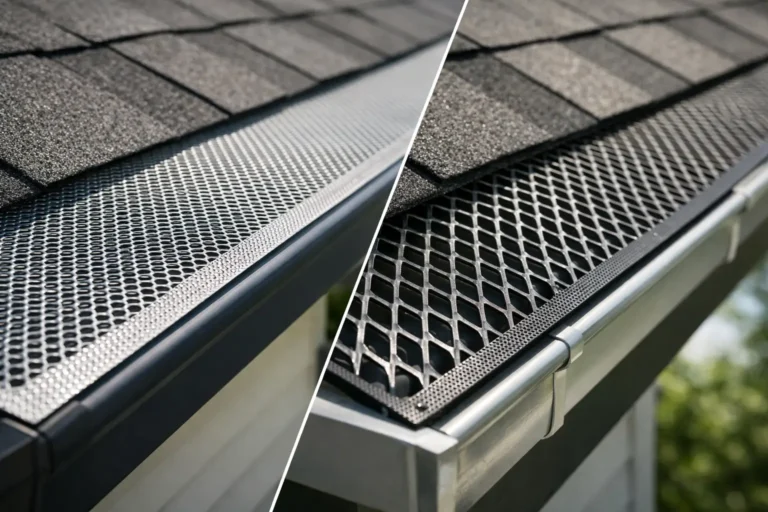
A product warranty relates to the gutter guard material itself. Depending on the system, it may cover manufacturing defects such as premature corrosion, cracking, breakdown of the mesh or coating failure. Premium aluminium mesh is generally chosen for its strength, corrosion resistance and suitability for Australian conditions, but the exact coverage still depends on the manufacturer and how the product is used.
A workmanship warranty applies to the installation. It should cover faults caused by the contractor’s work, such as incorrectly secured mesh, loose fittings, poor joins or installation methods that lead to movement, sagging or water-flow issues. This is especially relevant because even excellent materials can underperform if they are fitted without proper roof and gutter preparation.
When comparing quotes, ask whether the stated warranty covers the product, workmanship or both. A broad phrase such as “guaranteed gutter guards” is not enough on its own. You should be able to see who provides each warranty, how long it lasts and what process applies if an issue arises.
Gutter warranty comparison guide: the questions that matter
A useful warranty should be easy to understand before work begins. If the terms are vague, hard to obtain or only discussed verbally, treat that as a warning sign. Professional installers should be comfortable explaining what is covered and what is not.
Check the length, then look beyond it
A 20-year workmanship guarantee can offer real confidence, particularly when it is provided by an established specialist prepared to stand behind its installation. However, duration alone does not decide whether a warranty is better. A long warranty with broad exclusions may give less protection than a shorter one with clear, practical terms.
Ask what the warranty period starts from, whether it transfers to a new owner if the property is sold, and whether there is a limit on repair costs. Also ask whether the contractor will inspect the issue before deciding on a remedy. Clear answers at the quoting stage usually lead to fewer surprises later.
Read the exclusions with care
Every warranty has exclusions. That is normal. Storm damage, falling branches, roof movement, pest activity, neglect and pre-existing gutter damage may sit outside the contractor’s responsibility. The concern is not that exclusions exist, but whether they are reasonable and explained plainly.
For example, no gutter guard system can stop a large branch from damaging a roof during a severe storm. Likewise, gutter guards reduce leaf buildup but do not make a roof completely maintenance-free. Fine debris, roof sediment and organic matter can still collect over time, particularly under heavy tree cover.
Look for terms that unfairly exclude common conditions in Sydney, such as ordinary leaf litter or weather exposure. A quality system should be designed with local conditions in mind, not protected by wording that makes claims almost impossible.
Confirm maintenance requirements
Many warranties require reasonable ongoing maintenance. This does not mean you should expect regular full gutter cleans, but it may mean periodic roof and valley checks, removal of overhanging branches where practical, and prompt attention after major storms.
The key is to understand what “reasonable maintenance” means in writing. Does the installer require annual inspections? Must cleaning be completed by a professional? Is there a record-keeping requirement? These details matter most for properties near bushland, large established trees or areas where wind-driven debris regularly lands on the roof.
A trustworthy contractor will explain maintenance honestly. They will not promise that a gutter guard removes every future task, but they should show how the system reduces the frequency, mess and safety risk associated with blocked gutters.
Find out who handles the claim
A warranty is only as useful as the person responsible for honouring it. With some products, the manufacturer handles material defects while the installer handles installation faults. That split can be appropriate, provided there is no confusion about who you contact first.
Choose a local specialist with a clear point of contact and a reputation for responsive service. If a concern appears years after installation, you want a team that can assess the roofline in person, identify the cause and provide a practical solution. A cheap installation completed by an operator who is no longer trading can leave you with a piece of paper but no real support.
Why installation quality affects warranty value
Before gutter guards are fitted, gutters should be cleared, roof valleys checked and existing issues identified. Installing mesh over compacted leaves, mud or damaged gutter sections can trap problems beneath the new system. It may also create arguments later about whether a fault was pre-existing.
Professional preparation protects the performance of the finished system and makes the warranty more meaningful. It gives the installer a clean, stable surface to work with and gives you a clearer baseline for the condition of your gutters.
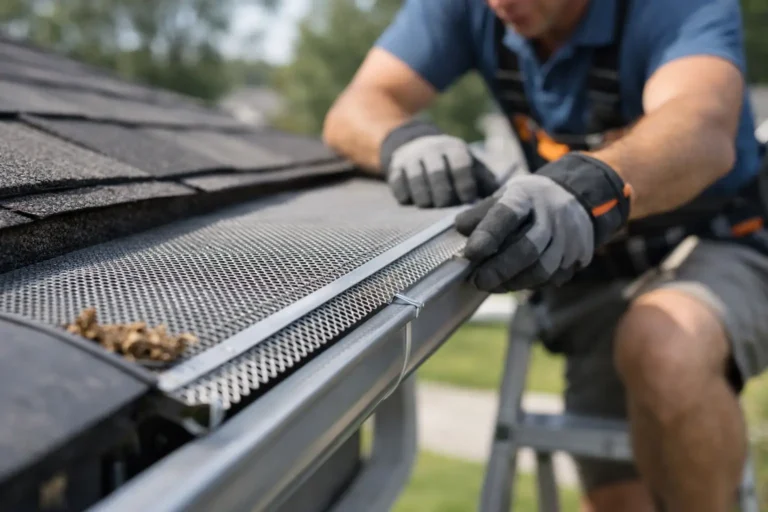
The fixing method matters too. Guards should sit securely, follow the roofline properly and allow water to flow into the gutter as intended. On tiled, metal and commercial roofs, the suitable approach can differ. A one-size-fits-all method is rarely the best answer.
At DX Gutter Guard, a 20-year workmanship guarantee is supported by thorough cleaning and preparation, premium aluminium mesh and professional installation. The aim is straightforward: provide protection that performs well over time, not a quick fix that creates more maintenance later.
Compare the whole service, not just the warranty line
A warranty should support a quality service, not distract from missing details. When reviewing proposals, consider the full scope of work: roof and gutter cleaning, material specification, fitting method, site safety, rubbish removal and communication after the job.
Before-and-after roof photos are also valuable. They give you visible confirmation that debris was removed and help show the condition of the work area before the guards were installed. For landlords, strata managers and commercial property owners, this evidence can be particularly useful for maintenance records.
Price still matters, but the cheapest quote is not always the lowest-cost choice over time. If an installer uses lighter materials, skips preparation or provides unclear terms, you may face additional cleaning, repairs or replacement sooner than expected. A well-installed guard system can reduce the likelihood of blocked gutters, overflowing water and unsafe roof access, which is where its longer-term value is felt.
When a warranty may not solve the real problem
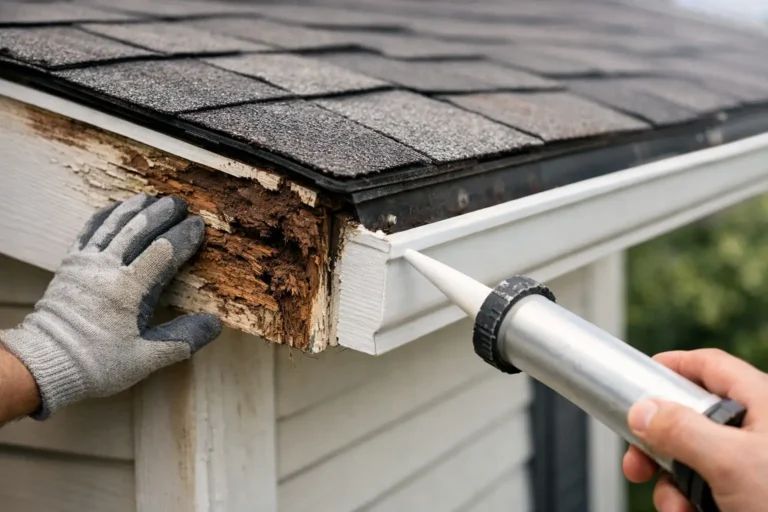
Sometimes the issue is not the gutter guard at all. Rusted gutters, incorrect falls, damaged fascia, loose tiles or trees hanging directly over the roof may need attention first. No warranty can turn a failing gutter system into a reliable one without addressing the underlying cause.
Be open with the contractor about recurring overflow, previous leaks and areas where debris builds up. A proper assessment should identify whether gutter guards are suitable, what preparation is needed and where ongoing maintenance may still be required. That honest advice is more valuable than an oversized promise.
Before you accept a quote, request the warranty terms in writing and take a few minutes to read them alongside the proposed scope of work. The best protection is a system installed by people who explain the details clearly, prepare the roof properly and remain available when you need them.