A Sydney storm can turn a small roof issue into water coming through the ceiling in one afternoon. Leaf litter, loose tiles and blocked gutters may not look urgent on a clear day, but heavy rain and strong wind quickly expose weak points. This storm season roof maintenance guide explains what property owners should check before wet weather arrives, and when it is safer to bring in a specialist.
Start with the roof and gutters as one system
Your roof, valleys, downpipes and gutters all need to move water away from the building. If one part is blocked or damaged, water can back up where it should not. It may overflow into eaves, run behind fascia boards, pool against walls or find its way beneath roof coverings.
For homes in Sydney’s leafy suburbs, the biggest problem is often gradual debris build-up. Leaves, twigs, seed pods and roof grit collect in valleys and gutters between cleaning visits. Wind then moves that material towards outlets, where it forms a tight blockage just as the rain starts.
A proper inspection looks beyond what can be seen from the ground. It checks the roof surface, gutters, valleys, downpipes, flashings and the condition of any existing gutter guard. Taking care of these areas before a storm is generally far more affordable than arranging emergency water-damage repairs afterwards.
Clear debris before it reaches the downpipe
The most effective preventative job is removing debris while it is still dry and manageable. Wet leaf matter is heavier, harder to clear and more likely to compact inside a gutter or downpipe. It also retains moisture against metal surfaces and can contribute to corrosion over time.
Pay particular attention to roof valleys. Valleys carry a large volume of water during heavy rain, so even a modest pile of leaves can divert water under tiles or metal sheeting. Debris should also be cleared from around skylights, solar panels, roof penetrations and the upper edges of gutters.
Ground-level checks help too. Make sure downpipe outlets are not blocked by leaves, garden mulch or rubbish, and confirm that water can drain away from the property. If your downpipes connect to stormwater pipes, slow drainage or water backing up at the inlet may point to a blockage below ground.
Do not use a pressure cleaner as a quick fix for every roof. In the wrong hands, high pressure can dislodge pointing, damage some roof materials or force water where it does not belong. Roof cleaning methods should suit the roof’s age, material and condition.
Inspect for storm damage before the next storm
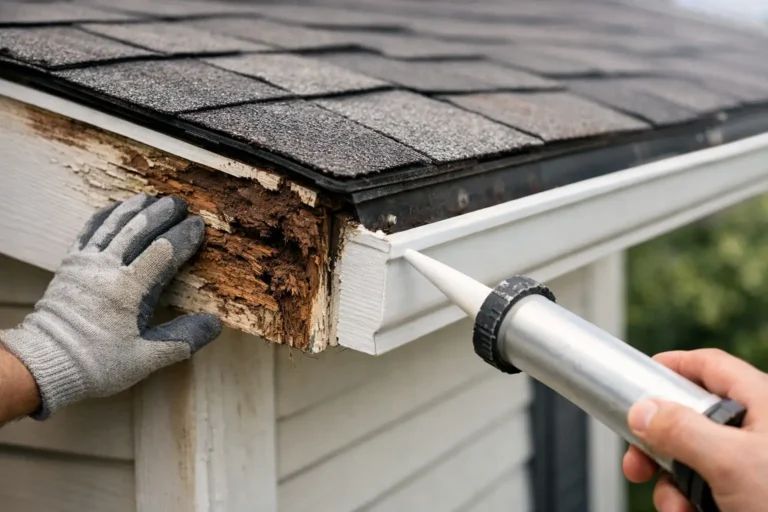
Not every roof issue is obvious from the driveway. Still, there are warning signs that deserve prompt attention. Look for slipped, cracked or missing tiles, lifted metal sheets, rusted screws, deteriorated ridge capping, damaged flashing and sagging gutters. Water stains on ceilings or walls, mouldy odours in roof spaces and peeling paint around eaves can also indicate a leak.
Gutters should sit securely along the fascia with a consistent fall towards the downpipes. Sections that pull away, sag under debris or overflow in the middle may need repair or reinstallation. A gutter that appears full during light rain is not coping properly and is unlikely to handle a summer downpour.
Tree branches are another common concern. Overhanging limbs can scrape roof surfaces, drop constant leaf litter and become a direct impact risk in high winds. Pruning may be appropriate, but work near powerlines or large branches should be handled by suitably qualified professionals.
Use a storm season roof maintenance guide to plan the right timing
For many Sydney properties, the best time for roof and gutter maintenance is before the wetter months and again after periods of heavy leaf fall. The exact schedule depends on the property. A home beneath dense gums or surrounded by mature trees will need more attention than a newer property in an open area.
As a practical guide, arrange an inspection and clean before the main storm period, then assess the roof again after a significant weather event. If you notice overflowing gutters, fallen branches, a leak or water marks inside, do not wait for the next scheduled clean.
Commercial properties and strata buildings need a more organised approach. Maintenance records, routine inspections and clear responsibility for roof access can prevent minor concerns being missed. This is particularly useful where multiple tenancies, large roof areas or internal ceiling systems make water damage more disruptive.
Consider gutter guards for long-term debris control
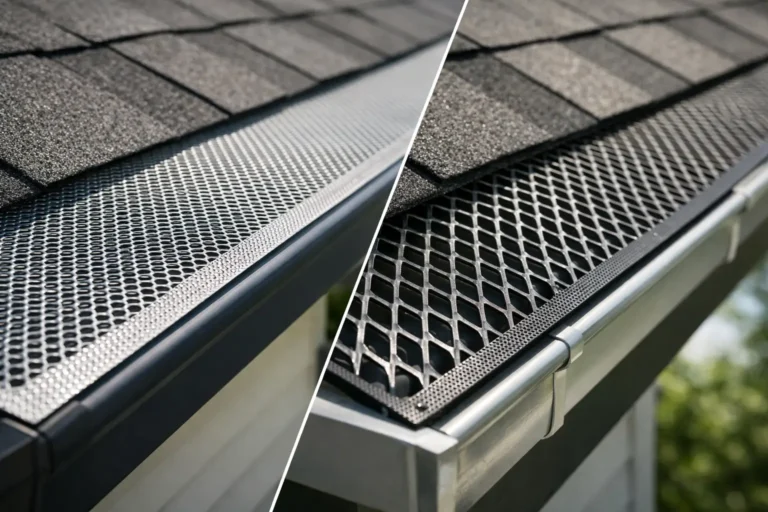
Gutter guards can reduce the amount of leaves and larger debris entering the gutter, which means less frequent cleaning and a lower chance of downpipe blockages. They are especially useful for properties with persistent leaf fall or owners who want a more reliable long-term solution.
However, not all gutter guards perform the same way. Cheap plastic systems can become brittle in harsh sun, while poorly fitted products may lift in wind or allow debris to build up at the roof edge. The roof profile, gutter type, surrounding trees and local exposure all affect which system is suitable.
A quality aluminium mesh gutter guard installed correctly allows rainwater to enter while helping keep leaves out. It does not mean the roof will never need maintenance again. Fine debris, roof grit and material resting on top of the mesh can still require periodic clearing. The benefit is a cleaner, more manageable system with less debris sitting inside the gutters.
DX Gutter Guard installs premium aluminium mesh systems after preparing and cleaning the roof and gutters, so protection is not fitted over existing blockages. A professional installation should also leave the site tidy and give you confidence that the system has been properly secured.
Put safety ahead of a DIY clean
Roof and gutter work carries real risks. Slippery tiles, steep pitches, unstable ladders, overhead powerlines and wet surfaces can turn a simple job into a serious accident. Even experienced homeowners can misjudge a roof’s condition or the load-bearing strength of a fragile tile.
From ground level, you can safely look for obvious signs of trouble, such as overflowing water, loose gutter sections, branches on the roof or debris around downpipes. For work at height, it is usually best to engage trained professionals with appropriate access equipment, safety practices and experience working across different roof types.
This is not only about personal safety. Walking in the wrong place can crack tiles, damage solar equipment or disturb ageing roof materials. A careful professional assessment helps protect both the person doing the work and the roof itself.
After a major storm, check early and act quickly
Once the weather has cleared, walk around the property and look for fallen branches, gutters that have shifted, loose roof material, water pooling near the building and signs of overflow. Check internal ceilings and upper walls as well. Fresh stains, drips or bubbling paint should be investigated quickly, even if they seem minor.
Avoid climbing onto a roof immediately after rain. Surfaces may remain slippery, and damage may not be safe to approach. Photograph visible concerns from the ground where possible, especially for insurance records, then arrange an inspection if there is any doubt.
Storm preparation is not about making a roof look perfect. It is about keeping water flowing where it should, reducing fire-related debris risks and identifying damage before it affects the building below. A clean, well-maintained roof and gutter system gives you one less thing to worry about when Sydney weather turns.