A gutter full of dry leaves may look like a maintenance issue. During a hot, windy Sydney summer, it can also become fuel. So, can roof cleaning prevent fires? It can help reduce a property’s fire risk by removing combustible debris from roofs, valleys, gutters and downpipes – especially where embers are likely to travel during a bushfire.
Roof cleaning is not a guarantee that a building will be protected from fire. Fire behaviour depends on weather, vegetation, building materials, access and emergency conditions. But clearing leaves, bark, twigs and other debris removes one avoidable source of fuel sitting directly against one of your property’s most exposed areas.
For homeowners, strata managers and commercial property owners, that is a practical step worth taking before fire season and after major storms.
How roof cleaning helps reduce fire risk
Wind-blown embers can travel well ahead of a bushfire front. If they land in a gutter packed with dry leaf litter, beneath accumulated debris in a roof valley, or around an unprotected downpipe opening, the material can ignite. Flames and heat in these areas can then threaten fascia boards, eaves, roof cavities and other vulnerable parts of the building.
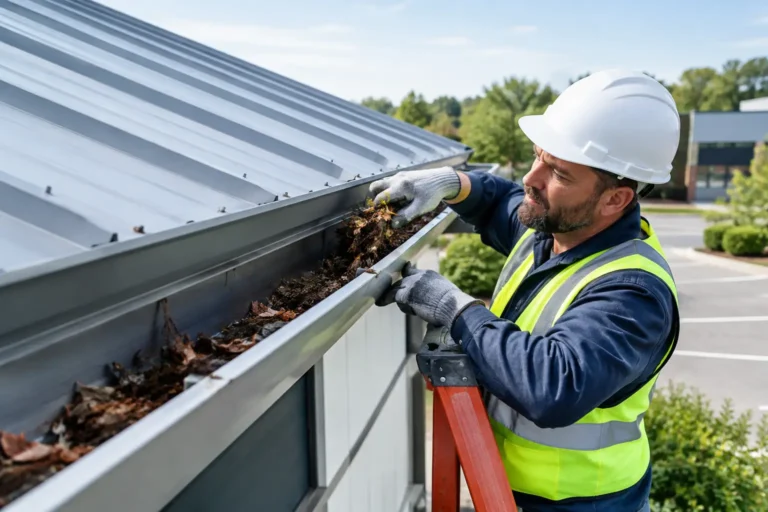
Professional roof cleaning removes the material that can catch and hold embers. This usually includes dry leaves, sticks, bark, seed pods, pine needles and built-up organic matter in the places that are difficult to inspect safely from the ground.
The benefit is not limited to bushfire-prone areas. Sydney properties in leafy suburbs can collect substantial debris from neighbouring trees, particularly after strong winds. A blocked gutter can dry out over time, then refill after every storm. Regular cleaning keeps that cycle under control while also helping rainwater move away from the roof as intended.
Can roof cleaning prevent fires on its own?
No single maintenance service can prevent every fire. Roof cleaning should be viewed as part of a broader property protection plan, not a substitute for bushfire preparation, compliant building materials, clear access or advice from local emergency services.
Its value is simple: less debris means less available fuel around the roofline. That matters most when leaves and twigs have been allowed to build up in gutters, valleys, behind solar panels, around skylights or beneath roof-mounted equipment.
The level of benefit depends on the property. A home surrounded by mature trees, close to bushland or located on a sloping block may need more frequent attention than a newer home with little overhead vegetation. Commercial buildings can face a different challenge, with larger roof areas, box gutters and hard-to-reach sections where debris sits unnoticed.
A proper inspection identifies where material is collecting and whether the existing drainage system is doing its job. It also reveals issues such as sagging gutters, damaged mesh, loose tiles or overflowing downpipes that can make ongoing maintenance harder.
Gutters are a key part of the risk picture
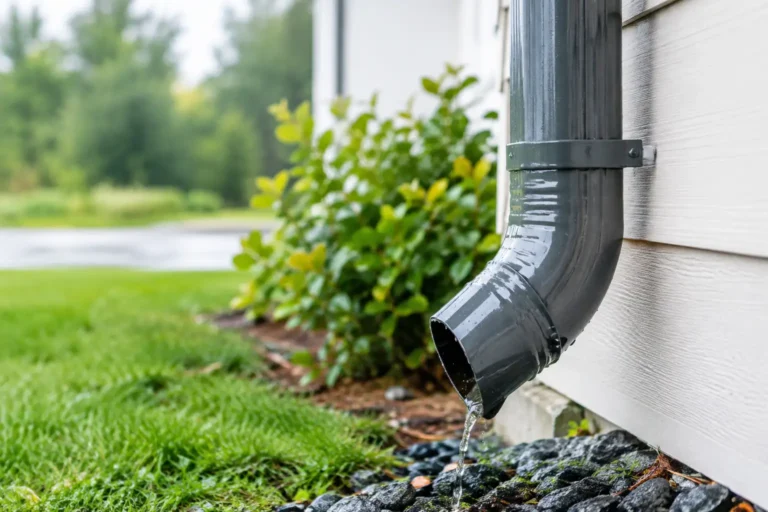
Gutters are designed to carry water away from the roof. When they are filled with leaf litter, they can hold dry fuel close to the building in hot weather and cause overflowing water during rain. Both outcomes create preventable problems.
Cleaning the roof without clearing the gutters leaves part of the job unfinished. Debris often washes down from the roof into gutter channels, so the roof, gutters and downpipes need to be considered as one system.
This is where quality gutter protection can make a meaningful difference. Premium aluminium mesh gutter guards help stop larger leaves and debris from entering the gutter while still allowing rainwater to pass through. They are not a set-and-forget excuse to ignore maintenance, particularly on heavily treed properties, but they can significantly reduce buildup and the frequency of major gutter cleans.
The guard must be fitted correctly for the roof profile and drainage layout. Poorly installed products can create gaps, lift in high winds or trap debris on top. A professional installation, followed by periodic checks, gives the system the best chance of performing as intended.
Areas that need attention before fire season
A roof can look clear from the driveway while debris remains lodged in places that matter. Valleys, gutter corners and sections behind chimneys are common collection points. So are areas beneath solar panels, where leaves can sit out of sight and slowly build up.
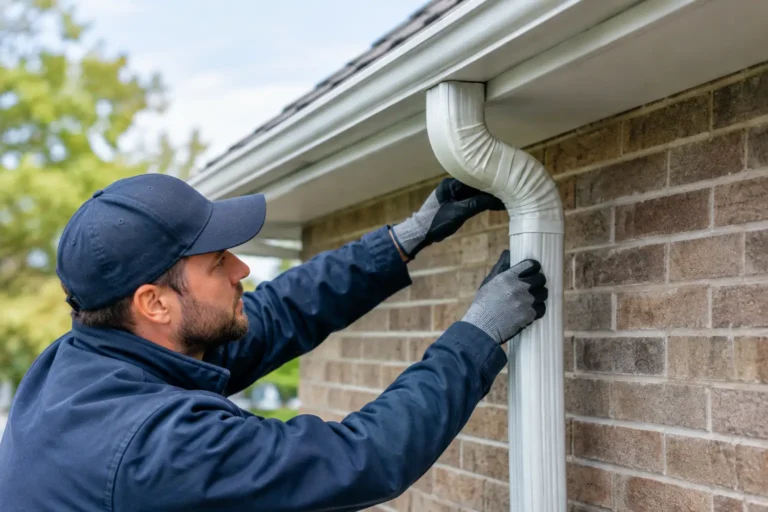
On larger properties, box gutters and flat or low-pitch roof sections deserve close attention because debris may not wash away naturally. Downpipe inlets should also be clear so water can drain freely during a storm rather than overflow back into the gutter.
Vegetation management around the home matters as well. Overhanging branches continuously drop material onto the roof and can make maintenance more frequent. Trimming should be planned carefully and completed in line with local requirements, but reducing direct leaf drop onto the roof can lower the workload and improve access for cleaning.
If your roof has not been inspected for some time, a professional clean is also a chance to spot early signs of water damage or roof wear. Addressing these issues before summer storms and heat arrive can save a much larger repair bill later.
Why professional roof cleaning is the safer choice
Roof work comes with real risks. Tiles can crack, metal roofing can become slippery, and working near edges or around solar systems requires the right equipment and experience. Climbing onto a roof with a household blower or garden hose can create more problems than it solves.
A professional team can assess safe access, remove debris thoroughly and clean up the site afterwards. The work should be carried out with care for the roof surface, gutter system and surrounding garden areas. Before-and-after photos are also useful because they show exactly what has been cleared and give property owners confidence that hidden trouble spots have been addressed.
For strata and commercial sites, professional maintenance also creates a clearer record of when work was completed. That can assist with planned maintenance schedules and help managers stay ahead of seasonal risk rather than reacting after a blockage, overflow or emergency.
How often should Sydney roofs and gutters be cleaned?
There is no universal schedule. Many properties benefit from an annual inspection and clean, while homes beneath dense tree cover may need attention every six months or after significant wind events. If you regularly see leaves spilling over gutter edges, notice water overflowing in rain, or find debris collecting in roof valleys, it is time to arrange an inspection.
Fire season preparation is a sensible time to check the roofline, but waiting until the weather is hot and dry is not ideal. Booking maintenance earlier gives you time to deal with repairs, install suitable gutter protection or organise vegetation work if needed.
DX Gutter Guard provides roof cleaning, gutter cleaning and durable aluminium mesh gutter guard installation for Sydney properties that need practical, long-term protection. The focus is not just on clearing what is visible, but on preparing the complete roof and gutter system to perform reliably.
A clean roof will not remove every fire risk, but it does remove dry debris that should never have been sitting there in the first place. A timely inspection and thorough clean can leave your property safer, tidier and better prepared for the season ahead.