A gutter can look fine from the ground while quietly sending water where it should not go. If you are asking when should gutters be replaced, the answer usually comes down to more than their age. Persistent leaks, rust, sagging sections and water overflowing near the building are all signs that a repair may no longer be enough.
For Sydney homes and commercial properties, gutters work hard through heavy rain, falling leaves, storm debris and long dry spells. A failed gutter system can lead to damaged fascias, stained walls, wet ceilings, slippery paths and moisture around the foundations. Replacing worn gutters at the right time protects the building before a manageable maintenance job turns into a costly repair.
When Should Gutters Be Replaced Instead of Repaired?
A small isolated issue can often be repaired. One loose bracket, a short section with a failed seal, or a downpipe that has come apart after a storm does not automatically mean the whole system needs replacing. A professional inspection can identify whether the gutter is otherwise sound and whether the repair will hold.
Replacement becomes the smarter option when problems appear in several areas or keep coming back after repairs. Corrosion spreads, old joins weaken, and a gutter that has lost its fall will continue holding water and overflowing. Paying for repeated patch-ups on a system near the end of its serviceable life can cost more than installing a properly designed replacement.
The condition of the fascia and roof edge matters too. If water has been leaking behind the gutter, the timber or metal supporting it may need attention before new gutters are fitted. This is why the job should start with a close inspection, not a guess from the driveway.
Clear Signs Your Gutters Need Replacing
Rust, holes and recurring leaks
Surface marks do not always mean a gutter has failed, but rust that has eaten through the metal is a different matter. Pinholes and larger rust holes let water escape onto fascias, eaves and walls. Sealant may provide a short-term fix in one small area, yet widespread corrosion is a strong sign that replacement is due.
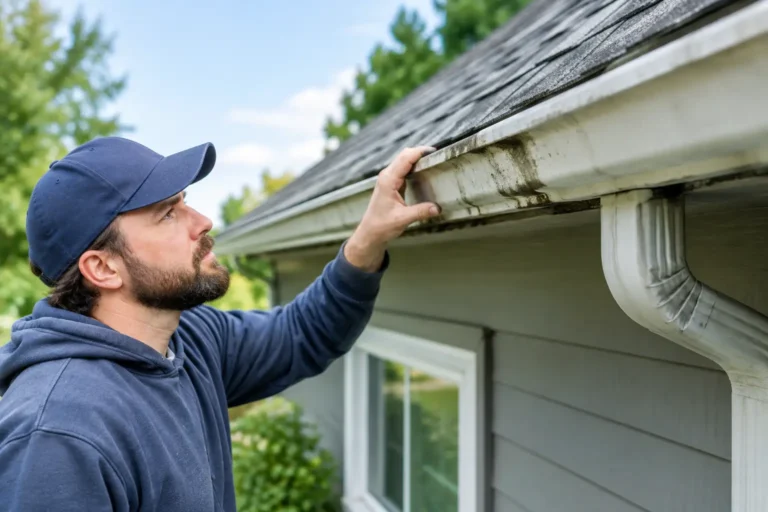
Look out for water marks beneath the gutter line, peeling paint around eaves, or drips that continue well after rain has stopped. These clues can point to leaking joints, splits or holes that are not obvious from ground level.
Sagging, pulling away or standing water
Gutters need the correct fall towards the downpipes so rainwater can drain freely. When brackets loosen, debris weight builds up, or the gutter begins to distort, water can sit in the channel rather than move away. Standing water accelerates corrosion and adds more weight to an already stressed section.
A gutter that sags or pulls away from the fascia should be assessed promptly. In some cases, new brackets and adjustment can restore the system. If the gutter has bent, cracked, corroded or repeatedly lost its shape, replacement provides a more reliable outcome.
Overflow during normal rainfall
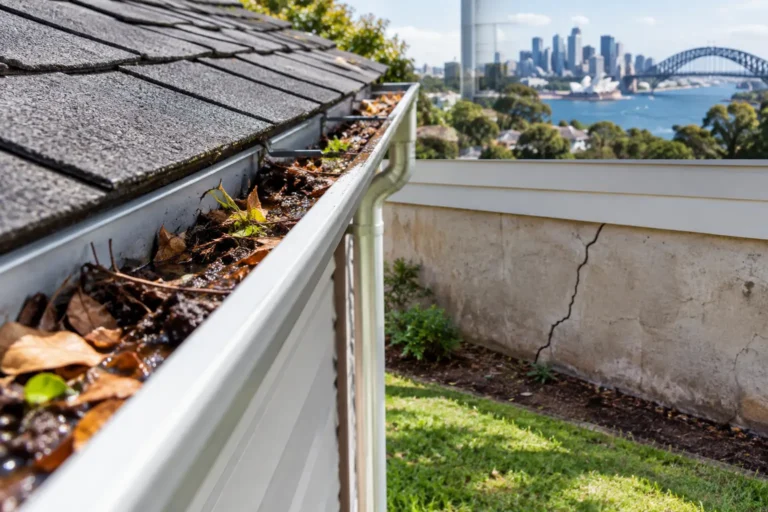
Overflow is often blamed on a blocked gutter, and that can be true. Leaves, seed pods and roof grit can quickly stop water reaching the downpipe. After a thorough clean, however, the system should handle ordinary rainfall without spilling over the front or back.
If it still overflows when clear, the gutters may be undersized, incorrectly pitched, damaged, or connected to inadequate downpipes. Sydney storms can place serious demand on roof drainage, so this is not an issue to ignore. Water repeatedly cascading over the edge can affect garden beds, paving, wall cladding and the ground around the property.
Cracks, splits and failed joints
Small cracks often expand as gutters heat up, cool down and flex through changing weather. A split at a joint may be repairable if the surrounding material is in good condition. Several cracked sections or brittle, ageing components usually indicate a system that has reached the point where replacement is more practical.
Joints deserve close attention because they are common failure points. Staining, mould growth or drips around joins can signal that water is escaping behind the gutter, where it can damage the fascia before it becomes visible inside the building.
Rotting fascias or water damage around the roofline
Gutters are designed to protect the roof edge, not saturate it. Soft timber, flaking paint, dark stains and visible rot around fascias may mean water has been overflowing or leaking behind the gutter for some time.
Replacing gutters without addressing damaged support timber can compromise the new installation. A quality replacement project considers the full roofline, ensures the fascia is sound, and fixes the gutter securely with the right fall for effective drainage.
Age Matters, But Condition Matters More
There is no single replacement date that applies to every property. The lifespan of gutters depends on the material, installation quality, exposure to salt air, nearby trees, maintenance and how well water flows off the roof. A well-installed system that is kept clear can last far longer than one left full of wet leaves and sludge.
Properties in leafy Sydney suburbs need particular attention. Debris holds moisture against the gutter, encourages corrosion and can block downpipes when heavy rain arrives. Homes near the coast may also experience faster corrosion due to salt-laden air. On the other hand, an older gutter system with no rust, no leaks and correct drainage may only need cleaning, minor maintenance and ongoing protection.
The key is to judge the whole system rather than replacing gutters solely because of their age. A professional can assess the material, pitch, fixings, downpipes, fascia condition and drainage performance before recommending the right path.
Do Not Overlook Downpipes and Roof Drainage
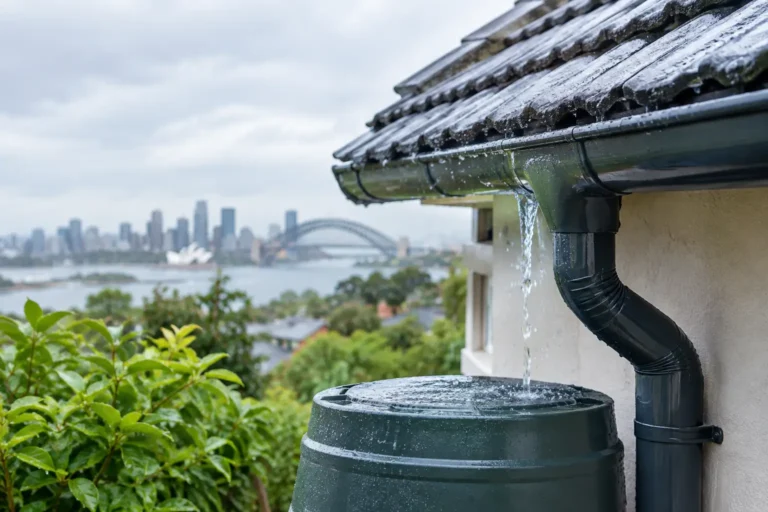
Gutters cannot perform properly if the downpipes are blocked, damaged or too small for the roof area. Water that backs up in a downpipe can make a sound gutter overflow, while a poorly positioned outlet can leave debris trapped at one end of the run.
During an assessment, check whether water is discharged safely away from the building and whether the downpipes are clear from top to bottom. Crushed sections, rusted elbows and loose connections should be repaired or replaced as part of the drainage solution. There is little value in fitting new gutters if the water still has nowhere effective to go.
Gutter Guards Can Protect a New System
Replacing gutters without managing leaf debris can leave the same problem waiting to return. This is especially relevant where overhanging trees drop leaves, bark, blossoms and fine material onto the roof throughout the year. Blocked gutters are not just inconvenient. They can increase water damage risks and, in bushfire-prone areas, allow dry debris to accumulate around the roofline.
A premium aluminium mesh gutter guard system helps keep larger debris out while allowing rainwater to enter the gutter. It can reduce cleaning frequency, support better drainage and help keep the roofline tidier between services. It is not a substitute for every form of maintenance – fine debris can still need periodic attention – but it is a sensible long-term addition for many Sydney properties.
For the guard to work as intended, the roof and gutters should be cleaned first, damaged sections repaired or replaced, and the mesh professionally fitted to suit the roof profile. DX Gutter Guard takes this preparation seriously, because protecting a gutter that is already full of debris or structurally unsound will not solve the underlying issue.
A Safe Inspection Is Better Than a Ladder Guess
Roof and gutter work carries real safety risks, particularly on multi-storey homes, steep roofs and slippery surfaces after rain. It also takes experience to spot subtle issues such as poor fall, hidden fascia damage and early corrosion at joins.
If your gutters are leaking, sagging, rusting or overflowing after they have been cleaned, arrange an inspection before the next major downpour. Clear advice on whether to repair, replace or protect the system gives you a practical way to safeguard your property and avoid water damage that starts at the roofline.