A roof can look reasonably clean from the ground while leaves, twigs and fine debris are quietly collecting in valleys, behind chimneys and along gutter lines. For Sydney properties surrounded by trees, choosing the best roof debris removal methods is not simply about presentation. It is about keeping rainwater moving, reducing fire fuel around the home and avoiding the damage that starts with one blocked downpipe.
The right approach depends on your roof material, pitch, access, surrounding trees and the amount of debris involved. A small, open single-storey roof calls for a different solution to a steep tiled roof beneath mature gums. What should not change is the focus on safety, careful cleaning and long-term prevention.
Why roof debris needs attention
Leaves and branches hold moisture against roof surfaces. Over time, that moisture can encourage moss and lichen growth, stain tiles, accelerate corrosion on metal roofing and create a dirty build-up that is harder to remove safely.
The bigger concern is what happens when debris reaches the gutters. Water can overflow into eaves, wall cavities and around foundations rather than draining through the downpipes. During heavy Sydney rainfall, a blocked gutter can quickly turn into an expensive leak or water-damage problem.
In bushfire-prone or leafy areas, dry leaves in gutters and roof valleys also add avoidable ember fuel. Regular removal is a practical part of protecting the property, particularly before the hotter, drier months.
The best roof debris removal methods, matched to the job
There is no single method that suits every roof. Professional roof cleaning is usually a combination of techniques selected to remove debris without damaging tiles, metal sheeting, flashing or gutter systems.
Manual removal for heavy leaf and branch build-up
For thick piles of leaves, palm fronds, sticks and seed pods, controlled manual removal is often the most effective starting point. A trained technician removes larger material from roof valleys, behind skylights, around solar panels and from gutters before flushing the finer debris away.
This method offers precision. It helps prevent large pieces from being pushed into downpipes, where they can create blockages out of sight. It is particularly useful on tiled roofs, where debris can sit between tile profiles, and on older roofs where careful movement matters.
The trade-off is time. Manual work is more thorough than trying to blast debris away, but it requires safe roof access, appropriate equipment and a clear process for collecting and removing the rubbish from site.
Low-pressure blowing for dry, loose debris
A commercial blower can work well for dry leaves, fine twigs and loose material across broad roof areas. When used by an experienced operator, it moves debris towards collection points without saturating the roof or forcing water where it does not belong.
Blowing is most effective in dry conditions and as part of a larger clean. It is not a fix for wet leaf sludge, compacted valley debris or blocked gutters. Used carelessly, it can simply shift debris into neighbouring gutters, onto solar panels or into areas that are difficult to access later.
For this reason, a proper service should include checking where the material has gone, clearing the gutters and cleaning up around the property afterwards.
Gutter and downpipe flushing after debris removal
Once visible roof debris has been cleared, gutters and downpipes need attention. Fine grit, decomposed leaf matter and roof sediment settle at the bottom of gutters even after the larger leaves are gone. This material can restrict water flow and build up around gutter outlets.
Flushing verifies that water is travelling freely through the system. It can reveal slow-running downpipes, hidden obstructions or sections of gutter that are holding water because of poor fall. If water does not drain as it should, the blockage needs to be dealt with properly rather than left to become an overflow during the next storm.
Water should be directed responsibly, with care taken around roof cavities, electrical fittings and fragile roof components. High-pressure cleaning has a place in some exterior maintenance work, but it is not automatically the right answer for every roof. Excess pressure can dislodge tiles, damage coatings, force water under flashings or disturb ageing materials.
Targeted treatment for moss, lichen and compacted grime
Leaves are not the only roof debris issue. Shaded sections of roof may develop moss, lichen or algae, particularly where leaf matter keeps the surface damp. This is different from loose debris and should be assessed separately.
Targeted treatment and gentle cleaning methods may be appropriate, depending on the roof type and condition. The goal is to protect the roof surface while addressing the build-up, not to use an aggressive method that causes more harm than good. A roof inspection before cleaning is valuable because cracked tiles, loose ridge capping and corroded metal need repair or special care before work begins.
Why climbing onto the roof is rarely a DIY job
The risk is not only falling. Roofs become slippery from dew, dust, moss and loose leaves, and tiles can crack under incorrect foot placement. Ladders can shift, gutters are not designed to carry a person’s weight, and nearby powerlines introduce another serious hazard.
A professional roof and gutter cleaning team has the right access equipment, safe work practices and experience to identify hazards before starting. They also know how to work around solar panels, antennas, skylights and brittle roof sections without treating the whole roof as one open surface.
For property managers and commercial owners, professional servicing also provides greater accountability. Before-and-after photos can show what was removed, the condition of the roof and whether any maintenance concerns need follow-up. That visibility matters when you are responsible for protecting a building you may not inspect every day.
Prevention reduces repeat cleaning
Cleaning removes the immediate problem. Prevention reduces how quickly it returns. If your home sits beneath overhanging branches, arranging sensible tree maintenance can reduce the volume of leaves and small limbs landing on the roof. Trees should be managed with consideration for their health, local requirements and clearance from powerlines.
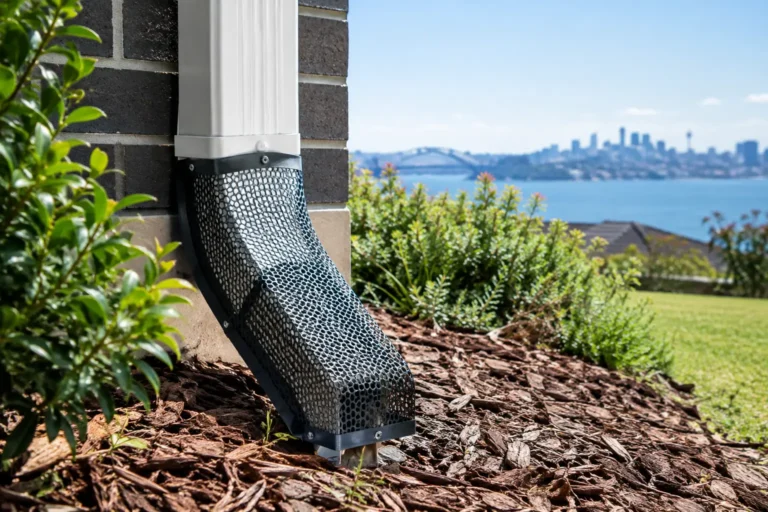
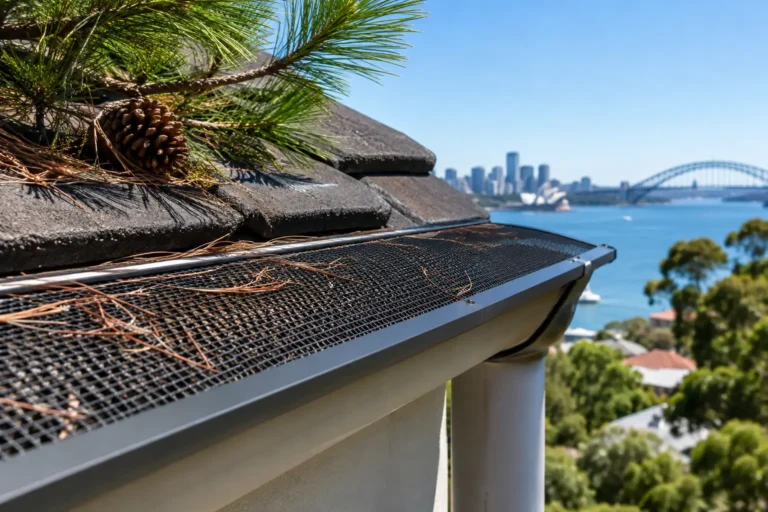
A quality gutter guard system is another practical layer of protection. Premium aluminium mesh gutter guard is designed to keep larger leaves and debris out of gutters while allowing rainwater to enter. It does not mean the roof will never need maintenance again, especially in heavily treed areas, but it can substantially reduce gutter blockages and the frequency of intensive cleans.
Installation quality is just as important as the material. Guards need to suit the roof profile, be securely fixed and allow for drainage. A system installed over existing sludge or blocked gutters will not perform as intended, which is why thorough cleaning and preparation should come first.
How often should Sydney roofs be cleared?
For many Sydney homes, an annual roof and gutter clean is a sensible baseline. Properties beneath heavy tree cover, near bushland, or exposed to regular storm debris may need cleaning every six months or after major weather events.
Do not wait for water to spill over the gutter edge. Warning signs include plants growing from gutters, staining on exterior walls, sagging gutter sections, water marks under eaves, visible debris in valleys and downpipes that overflow or drain slowly. These signs suggest the problem has already moved beyond a few leaves on the roof.
The best timing is before the wet season and again before periods of higher bushfire risk where appropriate. A planned service is safer and more cost-effective than calling for urgent help after a storm has exposed a blockage.
What a professional roof debris service should include
A dependable service begins with an assessment of roof access, materials, debris levels and obvious maintenance concerns. The work should cover roof valleys, gutters, outlets and downpipes, not just the parts visible from the driveway.
It should also include removing debris from the property, checking water flow and leaving the site tidy. Clear communication is part of the service too. Homeowners should know what was found, what was cleaned and whether any repairs, tree work or gutter protection should be considered next.
DX Gutter Guard combines careful roof and gutter cleaning with professionally installed aluminium mesh protection, helping Sydney property owners reduce blocked gutters and maintain a cleaner, safer roofline over time.
A clean roof is one of those maintenance jobs that is easy to put off until rainwater starts going where it should not. Booking a professional inspection and clean before that point gives you a clearer view of your roof’s condition and more confidence when the next storm arrives.