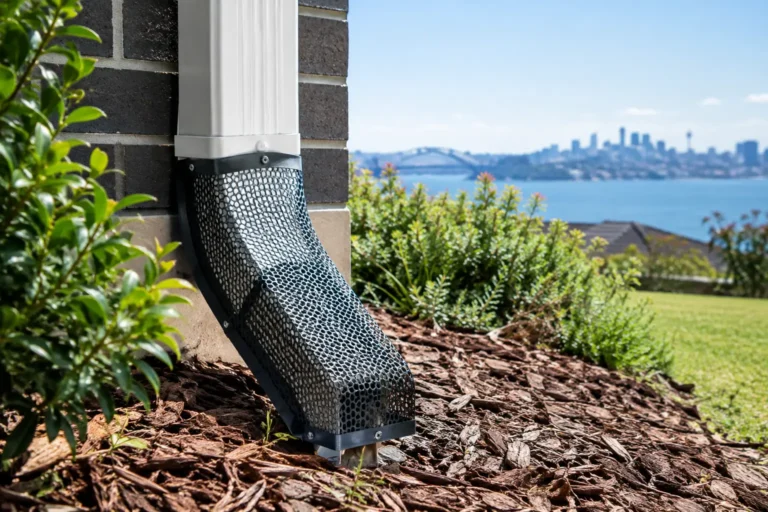
Pine needles are small, light and persistent. They slip through wide gutter screens, gather in roof valleys and bind together once wet, creating the kind of blockage that can send water back into eaves during a Sydney downpour. The best pine needle guards are designed for this finer debris, not just broad leaves, and they need to be installed correctly to protect the whole gutter system.
For homes near pines, gum trees or dense established gardens, choosing a guard is about more than reducing cleaning visits. It is about controlling water flow, limiting debris around the roofline and reducing the dry fuel that can build up in gutters over summer.
What makes a gutter guard effective against pine needles?
A pine needle guard needs a fine enough opening to stop needles entering the gutter while still allowing rainwater to pass through freely. This balance matters. A guard that is too open lets needles through; one that is too restrictive can hold debris on top and struggle in heavy rain if it is not fitted at the right angle.
Premium aluminium micro-mesh is often the strongest all-round option for Sydney properties. Its fine apertures catch needles before they reach the gutter, while the rigid mesh holds its shape better than lightweight plastic products. When installed to follow the roofline and direct water into the gutter, it allows loose debris to dry and blow away more easily between maintenance visits.
Material quality matters as much as the mesh size. Gutter guards sit in harsh conditions: strong sun, wind, rain, salt air in coastal suburbs and constant temperature changes. A durable aluminium system is less likely to become brittle, sag or deteriorate compared with cheaper foam inserts and light plastic screens.
Why pine needles defeat many standard gutter guards
Pine needles expose the weak points in basic gutter protection. Large-hole mesh, plastic clips and open grates may keep out leaves, yet narrow needles can fall straight through. Once inside the gutter, they catch on brackets, combine with leaf fragments and form a dense mat near outlets and downpipes.
Foam inserts can appear effective at first because they fill the gutter channel. The problem is that needles settle into the foam and organic matter breaks down over time. This can restrict water flow inside the gutter, retain moisture and turn a maintenance problem into one that is harder to see from ground level.
Brush-style guards have similar limitations. Needles can lodge within the bristles, while fine debris collects below. They may suit a low-debris area as a short-term measure, but they are rarely the best choice for a roof exposed to regular pine needle fall.
A professionally fitted fine mesh system performs better because it protects the gutter channel itself rather than trying to trap debris within it. There will still be surface cleaning required occasionally, particularly after storms or during heavy shedding periods, but the goal is to stop debris becoming a concealed blockage.
The best pine needle guards: features to look for
Rather than choosing a product based on a photo or a low upfront price, look at how the system will work on your particular roof. The right guard should suit the roof material, roof pitch, gutter profile and the amount of tree cover around the property.
Fine aluminium mesh
Fine aluminium mesh is the key feature for pine needle protection. It should be strong enough to bridge the gutter without sagging and fine enough to prevent needles, seed pods and roof grit from entering. Aluminium also provides reliable resistance to corrosion when the system is made and installed to a high standard.
Avoid assuming all mesh is the same. Some products marketed as gutter guards are simply wider leaf screens with holes that are still large enough for needles to pass through. Ask what type of debris the mesh is intended to stop and how it will be secured along the outer gutter edge and roof side.
A secure, tailored fit
A guard should be measured and cut to the roof, not loosely laid across the gutter. Poorly fitted mesh can lift in high winds, create gaps around corners or interfere with water flow. Roof valleys, mitres, box gutters and downpipe openings all need careful attention because these are common collection points for debris.
The installation method should also protect the roof. Experienced installers assess where the mesh can be fixed securely without compromising tiles, metal roofing, flashings or existing gutter components. The result should look neat from below and remain stable through changing weather.
Good water-shedding performance
Sydney’s intense summer storms can test any gutter system. Mesh guards need to sit at the correct angle so rainwater follows the roof surface and enters the gutter instead of overshooting it. The answer is not simply a finer screen. It is quality mesh combined with correct positioning, suitable gutter fall and clear downpipes.
If a roof has existing drainage issues, overflowing gutters or damaged brackets, these should be addressed before or during the guard installation. A gutter guard cannot compensate for undersized gutters, blocked stormwater pipes or water that is already pooling in roof valleys.
Professional cleaning before installation
Installing guards over old debris defeats the purpose. Gutters, valleys and downpipes should be cleared first, with built-up material removed from the roofline. This preparation gives the new system a clean start and lets the installer identify corrosion, leaks, loose tiles or other issues that would otherwise remain hidden.
For property owners, visible before-and-after photos are valuable. They confirm the condition of the roof and gutters before the guard goes on, and provide confidence that the work has been completed thoroughly.
Fire-conscious gutter protection for Sydney properties
Homes near bushland or surrounded by mature trees need to consider more than water damage. Dry leaves and pine needles in gutters can contribute to ember exposure during bushfire conditions. Fine aluminium mesh can help reduce the amount of combustible debris that enters the gutter, making ongoing maintenance more manageable.
It is not a fireproof guarantee, and no gutter guard should be treated as a substitute for a broader bushfire preparation plan. Debris can still collect on top of the mesh, in valleys and around roof penetrations. Regular roof inspections, vegetation management and clearing surface debris remain sensible steps, especially before the fire season.
For properties in higher-risk locations, the best approach is a guard system that keeps the gutter channel cleaner while allowing practical access for scheduled inspections and maintenance.
When professional installation is worth it
Gutter work involves height, uneven roof surfaces and sharp metal edges. For multi-storey homes, steep roofs, commercial buildings and properties with difficult access, professional installation is the safer option. It also avoids the common DIY problem of fitting a generic screen that looks acceptable initially but shifts, sags or leaves gaps after the first season.
A specialist should inspect the roof and gutters before recommending a system. They can identify whether fine mesh is suitable, clean the area properly and fit the guard around the details that determine long-term performance. This is particularly valuable where pine needles fall year-round rather than in one short seasonal burst.
At DX Gutter Guard, installations are prepared with thorough gutter and roof cleaning, then completed with premium aluminium mesh designed for lasting protection. A 20-year workmanship guarantee provides added confidence that the system has been installed with care, not rushed into place.
Maintenance still matters, even with the right guard
The best gutter guard reduces gutter cleaning. It does not mean a roof can be ignored indefinitely. Fine debris may settle on top of mesh, and heavy storms can move leaves into valleys or against the roof edge. A quick visual check after major weather events and a professional inspection when needed will help keep drainage working as intended.
The frequency depends on the property. A home beneath several pine trees may need surface debris cleared more often than a home with light, seasonal leaf fall. Keeping nearby branches managed and watching for overflow during rain are simple ways to catch a problem early.
Choose a pine needle guard for its fit, mesh quality and installation standard, not just its price. When your gutters are clean before installation and protected by properly fitted aluminium mesh, you are far less likely to discover a blockage when the next heavy rain arrives.