Sydney roofs deal with more than a few falling leaves. Wind-blown debris, heavy downpours, gum leaves, twigs and ember exposure can all put gutters under pressure. When comparing aluminium gutter mesh vs steel, the right choice comes down to the material itself, your roof environment and, just as importantly, the quality of the installation.
A gutter guard is only useful when it keeps debris out while allowing water to enter the gutter freely. It also needs to remain secure through changing weather, sit correctly around roof tiles or metal sheeting, and avoid creating new maintenance problems. For many Sydney homes, quality aluminium mesh provides the best balance of long-term protection, corrosion resistance and practical performance.
Aluminium Gutter Mesh vs Steel: The Main Difference
Aluminium and steel are both used in gutter protection products, but they behave differently once they are exposed to rain, moisture, salt air, leaf litter and the heat of an Australian summer.
Aluminium mesh is lightweight and naturally resistant to rust. It does not contain iron, so it will not develop the red-brown corrosion commonly associated with untreated or damaged steel. This makes it well suited to roofs where moisture and organic debris can sit for extended periods, particularly beneath overhanging trees.
Steel mesh is generally stronger by weight, but its long-term performance depends heavily on the type of steel and its protective coating. Galvanised steel is coated with zinc to slow corrosion. Once that coating wears, scratches or breaks down, the underlying steel can rust. Stainless steel offers much better corrosion resistance, but it is usually more expensive and is not the same product as standard galvanised steel mesh.
That distinction matters. “Steel gutter guard” can describe several different products, with very different expected lifespans. Homeowners should always ask what grade of steel is being supplied and whether cut edges, fasteners and joins have been considered.
Corrosion Resistance in Sydney Conditions
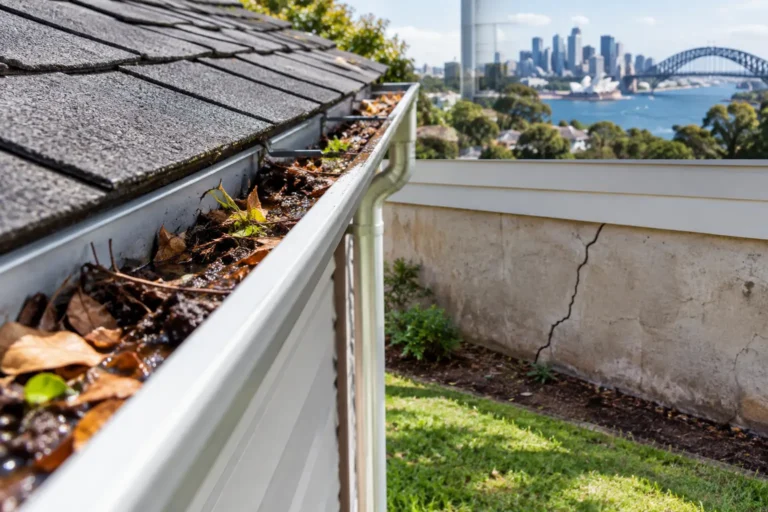
Leaves hold moisture. So does fine roof debris, mud and decomposing organic matter. When those materials stay against a metal mesh after rain, they create the conditions where corrosion can begin – especially if the mesh has poor drainage or has been installed without enough clearance.
Aluminium handles this exposure well because it forms a thin protective oxide layer. It can still suffer surface deterioration in harsh conditions, but it does not rust in the way conventional steel does. For homes near the coast, properties with dense tree cover, or roofs that are difficult to access for regular maintenance, this is a meaningful advantage.
Galvanised steel can perform well when its coating remains intact. However, mesh is cut, shaped and fixed during installation. Every edge and fastening point needs careful treatment. If poor-quality steel mesh is bent roughly, cut without protection or installed with incompatible metals, corrosion may appear sooner than expected.
Coastal properties need particular care. Salt-laden air can accelerate corrosion in many metals and fixings. Aluminium mesh remains a strong option in these locations, provided the full gutter guard system is designed with compatible materials. The mesh, screws, roof flashing and gutter itself must work together.
Material Compatibility Matters
No gutter guard should be selected in isolation. Aluminium mesh installed against unsuitable metal components can create galvanic corrosion, where one metal deteriorates faster because of contact with another in the presence of moisture.
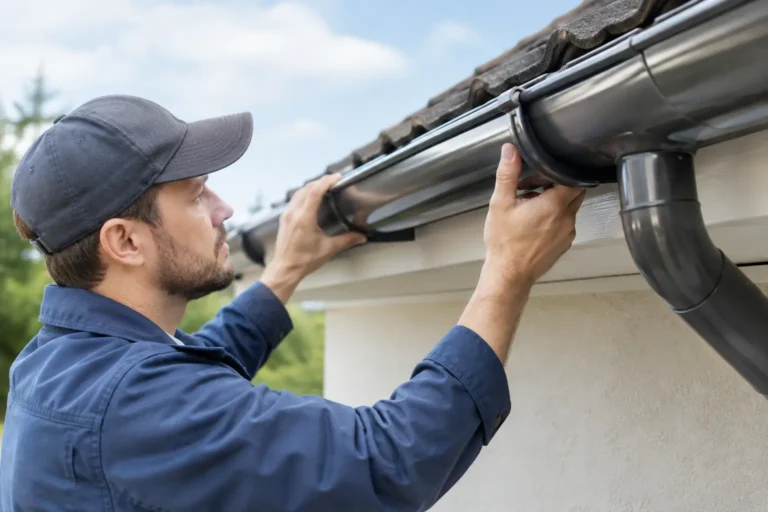
A professional installer checks the existing roof and gutter materials before recommending a system. This includes tile, Colorbond-style metal roofing, zincalume surfaces, gutter profiles and the condition of existing fixings. The goal is not simply to fit mesh over the gutter. It is to install a system that protects the roofline without compromising it.
Weight, Strength and Roof Suitability
Steel is often chosen because it feels tougher in the hand. It can offer high tensile strength, which may be useful in demanding commercial applications or locations exposed to repeated physical impact. But more strength is not automatically better for every home.
Aluminium mesh is considerably lighter. That reduces unnecessary load on the gutter edge and makes it easier to form neatly to different roof profiles. On tiled roofs, a lightweight mesh can be dressed and secured carefully without placing excess stress on older tiles. On metal roofs, it can be fitted to maintain a clean profile and reliable water flow.
The important question is whether the mesh is strong enough for the job, not whether it is the heaviest material available. A premium aluminium gutter guard system, properly tensioned and securely fixed, is designed to withstand normal weather conditions and the day-to-day debris load found around Sydney homes.
Poor installation can defeat either material. Mesh that is loose, poorly supported or fixed with unsuitable screws may lift in strong winds, sag under leaf litter or allow debris to build up at roof valleys. Experienced installation, correct mesh tension and careful finishing around corners and valleys are where long-term performance is won or lost.
Fire and Ember Protection Considerations
For properties near bushland or in areas with bushfire exposure, gutter protection can form part of a broader ember-management approach. Dry leaves and twigs in gutters can become fuel during a bushfire event, so reducing debris accumulation is a practical step for improving roofline safety.
Both aluminium and steel are non-combustible metals. However, a mesh gutter guard alone does not make a property bushfire compliant or remove all fire risk. Embers can still collect on roofs, in valleys, around solar panels and beneath leaf litter sitting on top of a guard.
The mesh aperture, installation method, roof design and the property’s Bushfire Attack Level requirements all need to be considered. If your home is in a bushfire-prone area, seek advice specific to the building and relevant requirements rather than relying on a general material claim.
For many homes, aluminium mesh is an effective option because it helps stop larger debris from entering the gutter while maintaining airflow and drainage. Ongoing roof and gutter maintenance still matters, especially before the fire season.
Water Flow and Debris Shedding
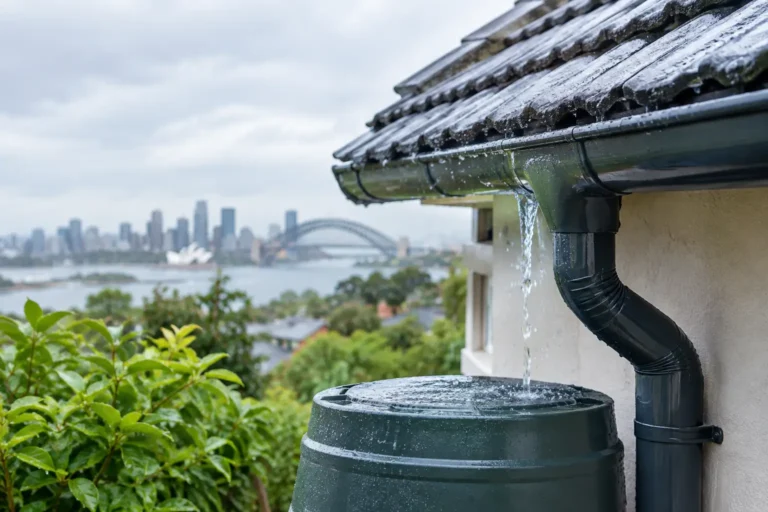
The best gutter guard does not try to block water. It guides water through the mesh and into the gutter while encouraging leaves and debris to wash or blow away.
Mesh material is only one part of this process. The aperture size, mesh profile, roof pitch and local tree types all affect results. Fine mesh may be useful for small debris, but if the roof sits beneath heavy leaf drop, it must be installed at the right angle so material does not blanket the surface.
Aluminium mesh is easy to shape to the roofline, which helps installers create a consistent slope and finish. When fitted correctly, this encourages leaves to move across the guard rather than settle in low points. Steel can do the same, but its added stiffness can make detailed fitting more difficult on complex roofs with multiple valleys, curved sections or ageing tiles.
Even with a quality guard, some surface cleaning may occasionally be needed. Gutter guards reduce the need for repeated internal gutter cleaning, but no product can prevent every leaf from landing on a roof. A realistic recommendation is better than a promise of zero maintenance.
Cost, Lifespan and Long-Term Value
Initial price should not be the only deciding factor. A lower-cost steel mesh may appear attractive, but if it rusts prematurely, loosens or requires replacement after a few years, it can cost more over the life of the property.
Aluminium mesh may carry a higher upfront cost than basic galvanised steel products, depending on the system and roof complexity. Its corrosion resistance and lighter weight often make it a sound long-term investment for residential properties. It is particularly worthwhile where access is difficult, gutters are high, or regular cleaning creates safety concerns.
Stainless steel mesh can be an excellent high-performance option where its greater strength and corrosion resistance are needed. However, it is usually a premium choice and may not offer enough additional benefit to justify the cost for every Sydney home.
The value of any system also includes the preparation work. Gutters should be cleaned, roof valleys cleared and existing issues identified before mesh is installed. Covering blocked gutters, rusted sections or damaged downpipes does not solve the underlying problem.
Which Material Should You Choose?
For most Sydney homes, premium aluminium gutter mesh is a practical and dependable choice. It is lightweight, corrosion-resistant and well suited to roofs affected by leaf litter, storms and seasonal maintenance demands. When professionally installed, it helps keep gutters clearer, reduces the need for risky ladder work and supports better roof drainage.
Steel may suit specific applications, particularly where a heavier-duty material is required. If you are considering steel, confirm whether it is galvanised or stainless, how exposed edges are protected, and whether the system is appropriate for your roof and local conditions.
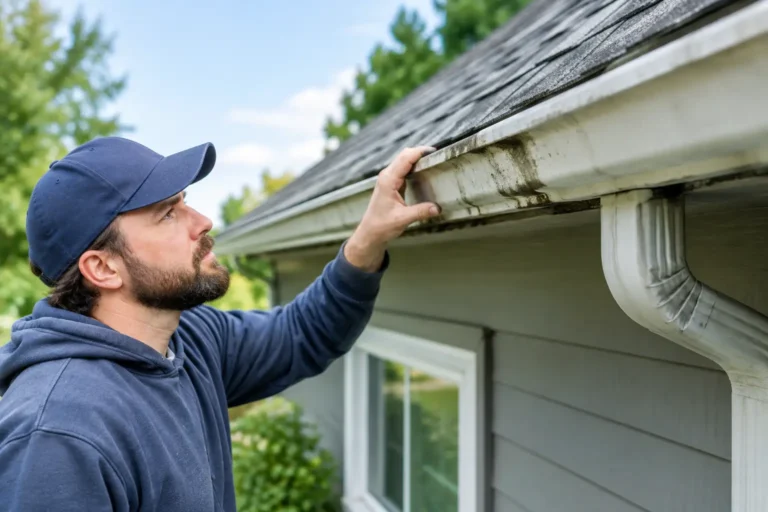
A proper site assessment is the best place to start. DX Gutter Guard assesses the roof, gutter condition, surrounding trees and access requirements before recommending a solution. Choosing the right mesh is not about picking the hardest metal – it is about protecting your property with a system that will perform reliably year after year.