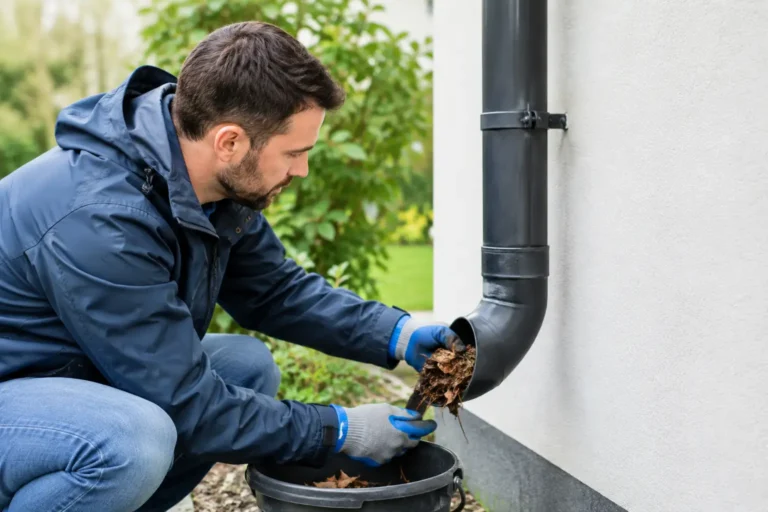
A roof can look clean from the driveway while dry leaves, twigs and fine debris are sitting in the gutters, valleys and behind solar panels. In bushfire-prone parts of Sydney, that material is more than a maintenance issue. It can give wind-blown embers somewhere to land and smoulder.
The bushfire roof safety trends shaping property maintenance are less about one-off panic before summer and more about sensible, ongoing preparation. Homeowners and property managers are looking for practical ways to reduce combustible debris, protect vulnerable roof areas and make maintenance easier to manage throughout the year.
Bushfire roof safety trends are moving towards prevention
For many years, gutter cleaning was treated as a job for when water overflowed in heavy rain. That is still a serious concern, but bushfire awareness has changed the conversation. Dry leaf litter in gutters and roof valleys can create an avoidable fire risk, particularly where properties are surrounded by mature trees or sit close to bushland.
The strongest trend is preventative maintenance. Rather than waiting until the end of spring, more property owners are arranging roof and gutter cleaning on a regular schedule. This is particularly useful after periods of high wind, storms or heavy leaf drop, when debris can build up quickly even on a well-maintained home.
A clean roofline also makes inspections more meaningful. When gutters are packed with leaves, it is harder to spot loose tiles, damaged flashing, corroded areas or sections where debris is collecting repeatedly. Clearing the roof first gives a better picture of what needs attention.
Ember protection is influencing gutter guard choices
Embers can travel well ahead of a fire front. They can enter small openings and collect in sheltered sections of a roof, which is why homeowners are paying closer attention to the type of gutter protection installed, not simply whether a guard is fitted.
Fine aluminium mesh gutter guard systems are increasingly preferred over wide, coarse screens that can allow smaller debris through. A quality mesh helps keep leaves and larger roof debris out of the gutter while still allowing water to drain. Aluminium is also a practical choice because it is durable and non-combustible, unlike some plastic gutter guard products that may become brittle with age or are unsuitable for higher-risk settings.
That said, no gutter guard is a substitute for good roof maintenance or a complete bushfire plan. Fine material can still settle on top of mesh, especially beneath dense tree cover. The best result comes from a properly prepared roof, a professionally fitted system and periodic checks to clear surface debris before it accumulates.
Installation quality matters as much as the material
Gaps, lifted edges and poorly secured sections can undermine the purpose of a gutter guard. These weak points may allow debris to enter the gutter or create places where leaves gather. Professional installation should account for the roof profile, gutter condition, valleys, downpipes and the amount of surrounding vegetation.
It also needs to support normal water flow during Sydney downpours. A guard that is installed without considering roof pitch or drainage can cause water to overshoot in heavy rain. Bushfire preparation and stormwater performance need to work together, not compete.
Roof valleys and hard-to-reach areas are getting more attention
Gutters are a major focus, but they are not the only area where combustible debris collects. Roof valleys, behind chimneys, beneath solar panels, around skylights and along flashing can all trap leaf litter. These locations are often missed because they are difficult to see safely from the ground.
The current approach is to treat the roof as a complete system. Gutter cleaning, roof cleaning and debris removal should be considered together, especially on homes with complex rooflines. A clean gutter will not offer full peace of mind if a dry pile of leaves is sitting in a valley directly above it.
For commercial sites and strata properties, this matters even more. Larger roof areas often have multiple drainage points, plant rooms, awnings and concealed sections where debris can collect. Planned inspections help property managers address issues before they become an urgent maintenance call in the middle of a hot, windy week.
Visible proof of maintenance is becoming standard
Property owners want to know the work has been completed properly, especially when the roof is not safely accessible. Before-and-after photos are becoming an expected part of professional roof and gutter services because they show the condition of the roof, the debris removed and the finished result.
This is more than a nice extra. It gives homeowners confidence that gutters, valleys and problem areas have actually been checked. It can also help property managers keep clear maintenance records across multiple properties and identify recurring issues, such as a tree that continually drops leaves into one section of roof.
A proper clean-up is part of this standard too. Leaves and debris removed from a roof should not be left around the property where they can block drains, create a mess or become another dry fuel source. Good workmanship includes leaving the site tidy and ready for the next weather event.
Bushfire roof safety trends also include smarter maintenance timing
There is no single perfect month for every Sydney property. The right schedule depends on tree cover, roof design, exposure to wind and the amount of debris the property receives. A home beneath large gum trees may need more frequent checks than an open property with little overhanging vegetation.
The key is not to leave all preparation until fire season is already underway. Roof cleaning and gutter guard installation are easier to organise when they are planned ahead, rather than booked after a period of extreme heat or when storms have filled every gutter in the street.
Many property owners now use seasonal maintenance as a simple rhythm: inspect after major leaf fall, clean after damaging storms, and complete a thorough check before the hotter, drier months. This approach reduces the chance of a large, difficult build-up and keeps the property better prepared year-round.
Compliance should be considered, not assumed
Homes in bushfire-prone areas may have specific construction or renovation requirements based on their Bushfire Attack Level, commonly referred to as BAL. These requirements can vary significantly between properties, so it is not sensible to assume that one roof product or maintenance measure makes a building compliant.
If you are building, renovating or replacing parts of your roof in a bushfire-prone area, speak with the relevant building professional or certifier about the requirements that apply to your site. Gutter guards can play a valuable role in reducing leaf build-up, but they should be selected and installed as part of the wider property protection picture.
For existing homes, the practical starting point remains straightforward: remove dry debris, keep gutters functioning, inspect areas where leaves collect, and address obvious maintenance issues early. These steps can reduce preventable risk while also protecting the roof from water damage.
Choosing a service built for the job
Roof work carries real safety risks. It requires the right equipment, safe access and an understanding of how different roofing materials and gutter systems perform. For this reason, more homeowners are choosing specialised providers rather than attempting risky DIY cleaning or relying on a quick blow-off from ground level.
A worthwhile service should begin with an honest assessment of the roof and gutter condition. It should include thorough cleaning and preparation before any guard is fitted, careful installation suited to the roof, and a clear explanation of what ongoing maintenance is still needed. Durability matters, but so does the workmanship behind it.
At DX Gutter Guard, the focus is on helping Sydney property owners keep rooflines cleaner, gutters protected and maintenance manageable with premium aluminium mesh systems and professional preparation. The goal is not to make unrealistic promises. It is to provide dependable work that helps reduce debris build-up where it matters most.
A clean, well-maintained roof will never control the weather or remove every bushfire risk. It can, however, remove a common source of dry fuel from gutters and roof spaces. Booking an inspection before debris becomes a problem is one practical way to give your property better protection and yourself greater peace of mind.