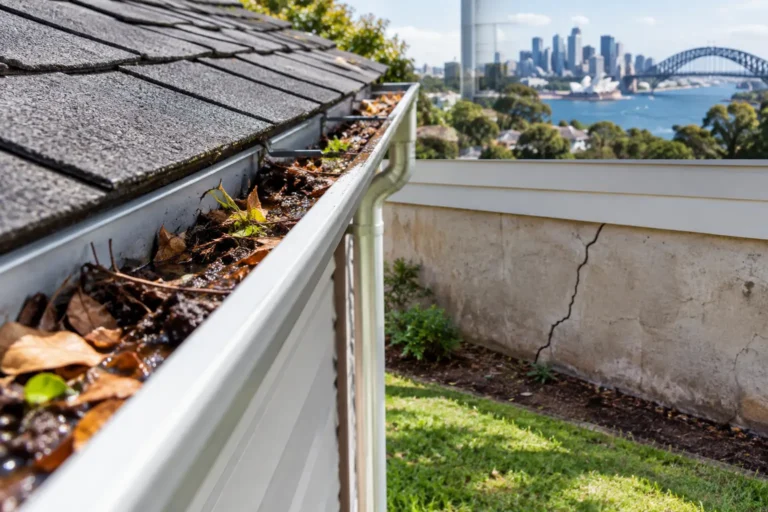
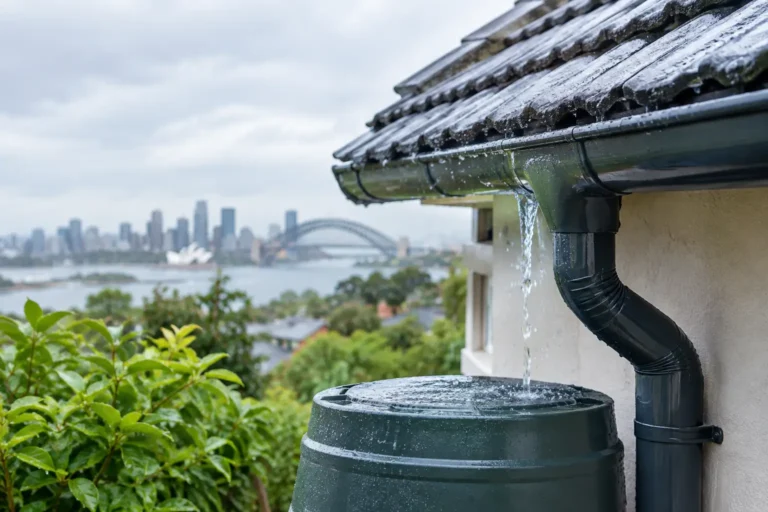
A blocked box gutter on a commercial building rarely starts as a major problem. It starts with leaves collecting behind an air-conditioning unit, seed pods caught around a downpipe, or storm litter left in a roof valley. Without effective commercial roof debris prevention, that material builds up, restricts drainage and turns heavy rain into an avoidable risk for your building, tenants and operations.
For Sydney property owners and managers, prevention is usually more cost-effective than responding to an overflow, internal leak or emergency call-out. A clean, protected roof drainage system helps water move where it should, reduces fire fuel around the roofline and makes ongoing maintenance more predictable.
Why roof debris is a commercial property risk
Commercial roofs deal with more than falling leaves. Many buildings have wide roof areas, internal box gutters, multiple downpipes, plant equipment, solar panels and hard-to-reach edges where debris can settle unnoticed. Leafy sites, neighbouring trees, construction dust and severe weather can all add to the problem.
When water cannot drain freely, it may pool in gutters or on low points of the roof. Over time, standing water can place extra stress on roof membranes, flashings and drainage components. In a significant downpour, blocked outlets can cause water to overflow into ceilings, wall cavities, storage areas or occupied spaces.
The disruption can be greater than the repair bill. A leak may damage stock, interrupt trading, affect tenants, create slip hazards or require urgent access work at short notice. For strata managers and facilities teams, it can also mean responding to several stakeholders at once while trying to identify the source of the issue.
Dry leaves and organic matter present a separate concern. In areas exposed to bushfire conditions, debris around gutters and roof edges can contribute to ember-related risk. The right protection system does not replace a full property fire plan, but keeping combustible material from accumulating is a sensible part of maintaining the building exterior.
What commercial roof debris prevention involves
A reliable prevention plan combines cleaning, inspection and physical protection. Installing gutter guard over a gutter full of old leaf matter is not a solution. The roof and gutters need to be properly cleared first, with drainage points checked to make sure water can flow freely.
After preparation, quality aluminium mesh gutter guard can help stop leaves, twigs and larger debris from entering the gutter while allowing rainwater to pass through. This reduces the volume of material that reaches downpipes and lowers the frequency of major clean-outs.
It is not a claim that gutters will never need attention again. Fine dust, pollen, roof grit and small organic matter can still settle on top of mesh, particularly beneath dense tree cover. The practical benefit is that maintenance becomes lighter, safer and less frequent than repeatedly removing compacted debris from inside gutters.
The system also needs to suit the building. Roof pitch, gutter profile, drainage layout, tree coverage and access requirements all affect the right approach. A one-size-fits-all product or rushed installation can leave weak points around corners, outlets and roof penetrations, which are often the places where debris problems begin.
Start with a thorough roof and gutter clean
Cleaning is the foundation of effective protection. Loose material should be removed from roof valleys, gutters, downpipes and around penetrations such as vents, skylights and plant equipment. Existing blockages may need to be cleared before they become visible from ground level.
A professional inspection at this stage can also identify damaged brackets, corroded gutter sections, poor falls, loose flashings or downpipes that are already struggling to handle rainfall. Gutter guard helps prevent incoming debris, but it cannot correct a drainage system that is damaged or incorrectly set up.
For commercial sites, safe access matters just as much as the cleaning result. Roof work may involve height risks, fragile roof areas, restricted access zones or the need to avoid disrupting customers and staff below. Engaging an experienced specialist helps ensure the work is planned around the building rather than treated as a quick clean.
Choose mesh that is built for the conditions
Premium aluminium mesh is well suited to commercial applications because it is durable, lightweight and designed to resist corrosion. Correctly fitted mesh sits securely across the gutter opening and provides a barrier against common leaf debris without closing off water flow.
The quality of the installation is critical. Mesh should be fixed carefully to prevent lifting in wind, sagging under debris or gaps that allow leaves to enter at the edges. It should also be installed with consideration for roof access, future maintenance and the surrounding roof materials.
On a building with heavy tree cover, a more detailed maintenance plan may still be required. On a relatively open site, gutter guard may substantially reduce the amount of debris reaching the system between scheduled inspections. The right expectation is reduced maintenance and better protection, not zero responsibility.
Areas that need the closest attention
Debris does not land evenly across a roof. It collects in predictable places, and these are the areas where a professional assessment pays off. Particular attention should be given to:
- box gutters and internal drainage channels
- roof valleys where leaves wash down and settle
- downpipe inlets, sumps and overflow points
- areas below overhanging trees or near neighbouring vegetation
- behind solar panels, air-conditioning units and other roof-mounted equipment
- junctions where gutter guard meets corners, valleys or roof transitions
These details matter because a single blocked outlet can affect a large section of roof. A clear-looking gutter line from the ground does not always mean the drainage system is clear where it counts.
Set a maintenance schedule around your site
Commercial roof debris prevention works best as ongoing property care, not a once-off project. The ideal inspection frequency depends on your site. A warehouse beside established gum trees may need checks after major storms and during peak leaf drop. An office building in a more exposed commercial area may need less frequent attention, but should still be inspected before the wetter months.
Property managers should also consider what changes around the site. Trees grow, nearby construction creates dust and debris, new solar installations change water paths, and storms can move material into places that were previously clear. Scheduled checks make it easier to identify these changes before they lead to an overflow.
Keep a simple maintenance record with inspection dates, cleaning performed, areas of concern and photos where possible. This is useful for facilities planning, strata communication and demonstrating that reasonable preventive maintenance has been carried out.
Signs your roof needs attention now
You do not need to wait for water to enter the building. Overflowing gutters during rain, staining on external walls, water marks beneath rooflines, slow-draining outlets and visible vegetation in gutters all warrant prompt attention. So do piles of leaves around roof equipment or gutter lines after a storm.
If there has been a leak, the cause is not always directly above the visible water mark. Water can travel along roof sheets, insulation, beams or services before appearing indoors. A proper roof and gutter inspection is the safest way to identify drainage issues rather than simply treating the symptom inside the building.
For Sydney commercial properties, early action is especially valuable before forecast heavy rain or a high-risk bushfire period. Accessing and cleaning a roof in controlled conditions is safer and more practical than arranging emergency work during bad weather.
Protect the building before debris becomes damage
The best time to deal with roof debris is while it is still only debris. A professional clean, careful inspection and properly installed aluminium mesh gutter guard can help protect drainage, reduce fire-related fuel around the roofline and give property owners greater confidence when the weather turns.
DX Gutter Guard provides specialist roof cleaning, gutter cleaning and gutter guard installation for Sydney properties, with workmanship focused on durable protection and a tidy, visible result. If your commercial roof has recurring leaf buildup, blocked gutters or difficult access areas, arrange an assessment before the next storm exposes the problem.