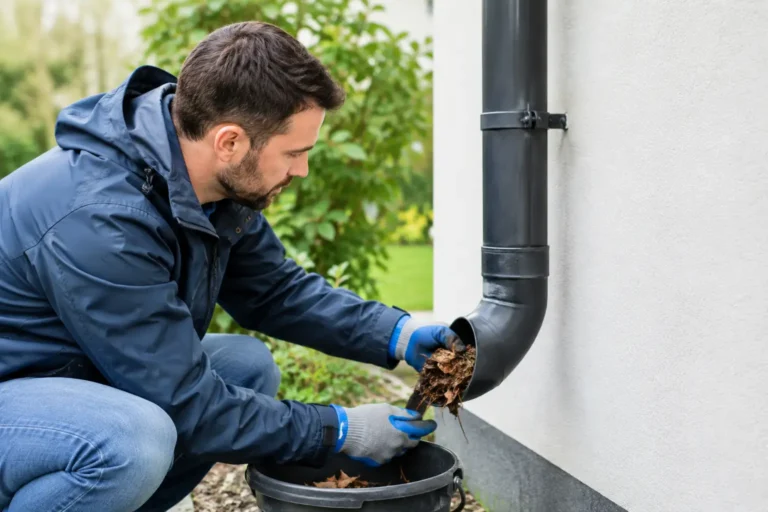
A gutter overflowing in a Sydney downpour is rarely caused by one leaf. It is usually the result of weeks or months of leaf litter, twigs, roof grit and sludge building up where water needs to move freely. So, do gutter guards prevent blockages? A well-chosen, professionally installed gutter guard can prevent most of the debris that causes blockages from entering the gutter. It is not a promise of zero maintenance forever, but it is one of the most effective ways to reduce blocked gutters, protect your property and avoid repeated cleaning.
What gutter guards are designed to do
Gutter guards sit over or inside the gutter opening to create a barrier between falling debris and the drainage channel. Water passes through the guard while leaves, gum nuts, bark, twigs and other larger material are kept on the roof surface, where wind and rain can carry much of it away.
For homes in leafy Sydney suburbs, this changes the maintenance problem significantly. Rather than having debris collect inside the gutter, compact around the downpipe outlet and form a dense blockage, most material stays above the guard. This helps the gutter keep doing its job when heavy rain arrives.
Premium aluminium mesh guards are particularly effective because the fine openings allow rainwater through while blocking much smaller debris than basic plastic screens or wide-holed gutter covers. The material also needs to cope with heat, weather exposure and the movement that can occur around a roofline over time. Quality material is important, but the installation is equally important.
Do gutter guards prevent blockages completely?
The honest answer is no system can guarantee that gutters will never need attention again. Gutter guards reduce the conditions that create blockages, but roofs remain exposed to the weather. Fine dust, pollen, seed pods and decomposing organic material can settle over the mesh. In areas with dense tree cover, that material may need to be brushed or blown away periodically.
The difference is where the debris collects. Without guards, leaves can enter the gutter, become wet, break down into sludge and block the downpipes from the inside. That is often difficult to spot until water spills over the gutter edge. With a quality mesh system, debris is more likely to remain visible on top of the guard, where it can be removed before it creates a serious drainage issue.
Gutter guards also cannot correct existing problems. If your gutters are holding water because they have poor fall, damaged brackets, rust holes or undersized downpipes, guards alone will not solve those issues. A professional installation should start with a proper clean and inspection so the gutter system is ready to perform as intended.
Why professionally fitted mesh makes a difference
Not all gutter guards provide the same result. Cheap clip-in screens can lift in wind, leave open gaps around the roof edge or allow debris to collect underneath. Once leaves get below a loose guard, cleaning can become harder rather than easier.
A professionally fitted aluminium mesh guard is shaped and secured to suit the roof profile, gutter type and local conditions. The installer considers valleys, corners, downpipe outlets, roof penetrations and areas where water naturally concentrates during heavy rain. These details matter because blockages commonly begin at the points where water flow is strongest or debris gathers first.
Preparation matters just as much. Installing a guard over a gutter already full of leaf litter simply traps an existing problem out of sight. A proper service includes clearing the roof and gutters, checking downpipes and removing built-up debris before the mesh is fitted. This gives the new system a clean starting point and lets the installer identify concerns that should be addressed before the next storm.
For property owners, this is why a gutter guard should be viewed as a protection system rather than a product pulled from a shelf. The outcome depends on the condition of the roof, the material selected and the standard of workmanship.
The blockage problems gutter guards help prevent
The most immediate benefit is reduced leaf buildup inside gutters and downpipes. This is especially valuable around mature gums, jacarandas, pines and other trees that shed heavily across different seasons. Even a small amount of debris can create a dam at a downpipe outlet, allowing more material to accumulate behind it.
By keeping most debris out, gutter guards can also help reduce overflow during intense rain. Overflowing water may run down external walls, stain surfaces, affect eaves and fascia boards, or pool around the foundations of a property. No guard can overcome rainfall that exceeds the capacity of the whole gutter system, but a clear gutter has a far better chance of managing the water it was designed to carry.
There is also a safety benefit. Blocked gutters often lead to urgent cleaning jobs, and accessing a wet or steep roof is not a task many homeowners should take on themselves. Reducing the frequency of internal gutter cleaning means fewer reasons to work at height and fewer unexpected maintenance emergencies.
In bushfire-prone parts of Sydney, reducing dry leaf and twig accumulation in gutters can be a sensible part of broader property preparation. However, gutter guards are not a substitute for a complete bushfire plan or for meeting any site-specific building and fire safety requirements. The right system should be assessed in the context of your roof, nearby vegetation and property location.
When maintenance is still needed
A guarded gutter system needs less maintenance, not no maintenance. The amount depends on the trees around your property, the roof pitch, local wind patterns and how much fine debris falls onto the roof.
A home beneath large overhanging trees may need periodic roof and mesh cleaning, particularly after autumn leaf drop or severe storms. A more open property may require only occasional inspection. Commercial buildings can have their own challenges, such as larger roof areas, internal box gutters or hard-to-see drainage points that need planned checks.
It is wise to inspect the roofline after major weather events. Look for branches resting on the roof, visible debris sitting in valleys, water flowing over the front of the gutter, or staining that suggests water is bypassing the intended drainage path. If you cannot inspect safely from the ground, arrange a professional service rather than climbing onto the roof.
Regular maintenance also protects the guard itself. Removing accumulated roof debris helps water pass through the mesh efficiently and keeps the system looking tidy. It is a smaller, more manageable task than clearing compacted material from inside every gutter and downpipe.
Choosing the right guard for your property
The best gutter guard is not necessarily the cheapest option or the one with the boldest claim. It should suit your roof and the debris you are dealing with. Fine mesh is generally a strong choice for properties affected by small leaves, gum nuts and roof grit, while durable aluminium construction offers long-term resistance to outdoor conditions.
Ask whether the existing gutters and downpipes will be cleaned before installation, how the mesh is secured, and whether the installer will address difficult areas such as valleys and outlets. It is also worth asking about workmanship cover and what after-service support looks like if you have a question after a storm.
A specialist should be able to explain the likely maintenance level for your specific property without promising the impossible. That straightforward advice is more valuable than being told you will never think about your gutters again.
Protection that starts before the next storm
For most Sydney properties, gutter guards are a practical way to prevent the majority of blockages caused by leaves and roof debris. They keep water paths clearer, reduce cleaning demands and help protect the building from the consequences of overflowing gutters. The strongest results come from quality mesh, thorough cleaning and installation that respects the details of the roof.
If your gutters regularly fill with leaves, overflow in heavy rain or are difficult to access safely, a professional assessment can give you a clear path forward. DX Gutter Guard can inspect the condition of your roof and gutters, prepare the system properly and provide dependable protection designed for the way your property is exposed to the elements.