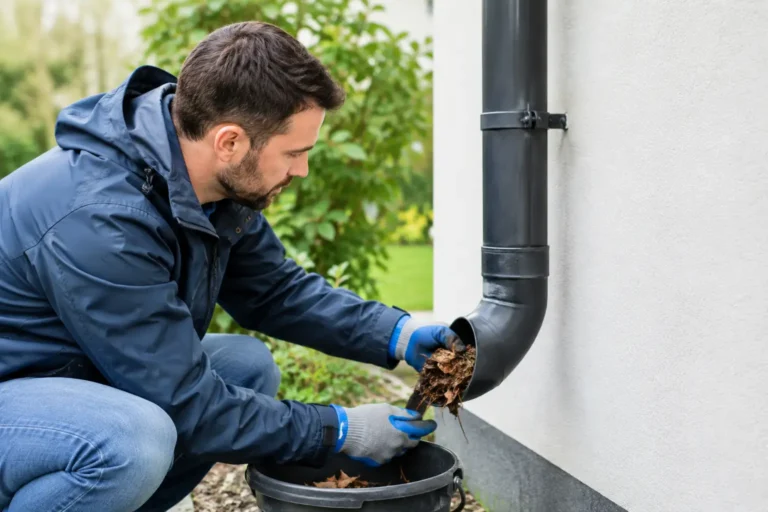
A gutter can look clear from the ground while being one downpour away from overflowing. In Sydney, leaves, seed pods, bark, roof grit and storm-blown debris can build up quickly, particularly around large trees and in leafy suburbs. Understanding how aluminium mesh guttering works helps explain why a professionally fitted gutter guard can reduce this risk without stopping rainwater from doing its job.
Aluminium mesh guttering, more accurately called aluminium mesh gutter guard, sits over the gutter opening. It is designed to keep larger debris out while allowing water to pass through and flow into the gutter and downpipes. The result is a cleaner, more protected gutter system that needs far less frequent attention than an uncovered one.
How aluminium mesh guttering works in practice
The mesh is fitted along the roof edge, covering the top of the gutter from the roof line to the outer gutter lip. Rainwater runs down the roof, reaches the mesh and passes through the openings into the gutter below. Leaves and other debris land on top instead of falling into the gutter.
Because the mesh follows the roofline, wind and rainfall help move much of that debris towards the edge, where it can dry out and blow away. Some material may remain on the mesh for a period, especially after heavy weather or beneath dense tree cover, but it is no longer packed into the gutter and downpipe where it can create a blockage.
This distinction matters. A blocked gutter holds water where it should not be, increasing the chance of overflow, staining, fascia damage, damp areas around the building and water entering vulnerable roof or wall sections. A mesh guard helps keep the water path clear so the gutter can carry water away as intended.
The mesh lets water through, not leaves through
Premium aluminium mesh has small openings that are chosen to strike a practical balance. They need to be fine enough to stop common debris such as leaves, twigs and roof litter, while still allowing strong rainfall to enter the gutter efficiently.
The correct mesh and fitting method depend on the roof. A home under gum trees has different debris pressures from a commercial building exposed to wind-blown leaves from nearby landscaping. Fine material, such as pollen, dust and tiny roof particles, can still pass through any mesh system. That is normal. The main purpose is to prevent the bulk debris that causes costly blockages.
Water follows the roof pitch
A correctly installed guard works with the natural fall of the roof rather than against it. Water runs down tiles or metal sheeting and meets the angled mesh surface. Most water enters through the mesh, while the shape of the installation encourages leaves to remain above it.
If mesh is loose, poorly tensioned or fitted flat where it should follow a slope, water and debris can behave differently. Leaves may sit in low spots, and water can overshoot the gutter in very heavy rain. This is why professional installation is not simply a matter of placing material over the gutter. The mesh needs secure fixing, proper tension and a finish suited to the roof profile and gutter design.
Why aluminium is suited to Sydney conditions
Aluminium is a popular gutter guard material because it is lightweight, durable and resistant to rust. Unlike untreated steel products, it does not develop the same red rust that can weaken and stain surrounding surfaces over time.
That makes it well suited to exposed rooflines dealing with summer heat, heavy rain, coastal air and changing weather. Quality aluminium mesh can also be shaped neatly around roof edges, corners and gutter lines without adding excessive weight to the existing gutter system.
Material quality still matters. Not all mesh products are equal, and the installation hardware matters as much as the mesh itself. A guard is only as effective as the way it is secured. Fixings should hold the system in place through wind, rain and seasonal expansion without damaging roof components or creating gaps where debris can enter.
The gutter must be cleaned before mesh is installed
Installing mesh over an already blocked gutter does not solve the underlying problem. It can trap existing leaves, mud and roof debris below the guard, where they remain out of sight and continue to interfere with drainage.
A proper installation starts with preparation. The roof valleys, gutters and downpipes should be cleared, and the installer should check for visible issues such as loose sections, damaged brackets, existing blockages or areas where water is not draining correctly. This creates a clean baseline before the guard is fitted.
For property owners, this is one of the most valuable parts of the service. It means the system begins its working life with clear gutters rather than covering up a maintenance issue. Before-and-after roof photos can also provide confidence that the cleaning and preparation have been completed thoroughly.
What aluminium mesh guards can and cannot do
Aluminium mesh gutter guards can greatly reduce the amount of debris entering gutters. They can lower the need for routine gutter cleaning, help protect against overflow caused by leaf blockages and reduce the dry leaf buildup that can add to ember-related concerns in bushfire-prone areas.
They are not a promise that a roof will never need maintenance again. Dust, fine particles, moss, seeds and occasional debris can still collect over time. Roof valleys and areas beneath heavy overhanging trees may need periodic attention, particularly after storms.
A gutter guard also cannot repair a faulty gutter system. If gutters have poor fall, leaking joints, undersized downpipes or damaged fascia, those issues need to be addressed separately. The guard protects the gutter opening. It does not change the capacity or condition of the drainage system underneath.
Where professional fitting makes the difference
Every roof has its own details. Tile roofs, metal roofs, box gutters, valleys, skylights, solar panels and difficult access areas all affect the installation approach. A rushed job can leave gaps around corners, interfere with roof drainage or make future roof work harder than it needs to be.
Experienced installers assess the roof layout before selecting the fitting method. They make sure the mesh is secure at the roof edge and gutter lip, shaped around penetrations where required, and finished so it looks tidy from the ground. They also work safely at height and leave the property clean once the job is complete.
For commercial properties, this approach is especially useful. Blocked gutters can affect tenants, disrupt operations and create avoidable maintenance call-outs. For homeowners, it can mean fewer weekends spent arranging emergency gutter cleaning after a storm.
DX Gutter Guard combines gutter cleaning, roof preparation and premium aluminium mesh installation so the complete system is considered, not just the material placed on top of the gutter.
When aluminium mesh guttering is a good investment
The strongest case for a gutter guard is usually a property that repeatedly collects debris. Homes near bushland, mature trees or parks often see the benefit quickly. So do properties with steep roofs, multi-storey access, rental homes where regular inspections are harder to organise, and buildings where blocked gutters have caused overflow in the past.
It may be less urgent for an open, single-storey property with little nearby vegetation and easy, safe gutter access. Even then, changing landscaping or a run of severe weather can alter the maintenance picture. The right decision comes down to the roof, surrounding trees, existing gutter condition and how much ongoing cleaning the owner wants to avoid.
A quality mesh system is best viewed as preventative property protection rather than a quick cover-up. When it is fitted over clean, well-functioning gutters, it gives rainwater a clearer path away from the building and gives owners one less recurring problem to worry about.
If your gutters regularly fill with leaves or overflow after rain, a site assessment can show whether aluminium mesh gutter protection suits your roof and the conditions around your property.