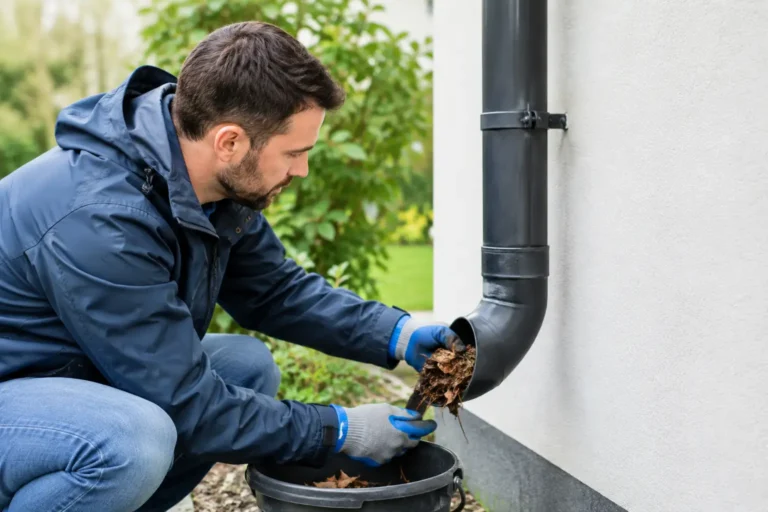
If your gutters only get attention when water starts spilling over the edge, you are already late. For most Sydney properties, the question is not whether gutter cleaning is needed, but how often clean roof gutters before leaf build-up, storm run-off and blocked downpipes start causing damage.
The short answer is this. Most homes should have their roof gutters cleaned at least twice a year. But that is only a baseline. In many parts of Sydney, especially leafy suburbs or bushfire-prone areas, gutters may need cleaning every three months or even more often during heavy leaf drop.
What matters is the risk around your property, not just the calendar. A single-storey brick home in a newer estate will not collect debris at the same rate as a large home under gum trees, or a commercial building with wide roof valleys and multiple box gutters. The right cleaning schedule depends on what lands on your roof, how quickly it builds up, and what happens if water cannot drain away properly.
How often clean roof gutters for most properties?
For a typical Sydney home, twice-yearly cleaning is a sensible starting point. Once in late autumn, after the main leaf drop, and again before storm season is often enough to keep water flowing and reduce the chance of overflow.
That said, many properties need more attention. If your roof sits beneath overhanging branches, if you regularly see seed pods and bark in the gutters, or if your downpipes block after heavy rain, twice a year may not be enough. In those cases, quarterly cleaning is usually more realistic.
Commercial sites and strata properties can be more demanding again. Larger roof areas collect more debris, and box gutters can hold significant build-up before a problem becomes obvious from the ground. Waiting too long can lead to internal leaks, fascia damage and expensive reactive repairs.
Why the schedule changes from one property to another
There is no universal rule because gutters respond to the environment around them. Sydney properties vary hugely from suburb to suburb, and even from one side of a street to the other.
Tree coverage makes the biggest difference
If your property is surrounded by gum trees, jacarandas, pines or dense native plantings, your gutters are under constant pressure. Leaves are only part of the problem. Twigs, bark, blossom, seed pods and fine debris all collect in the channel and around the downpipe entry points.
Fine material is often the bigger issue because it creates a damp sludge that slows drainage and encourages plant growth. You might not notice it from the ground, but it can hold water in the gutter for long periods and add weight to the system.
Roof design affects how debris moves
Simple rooflines are easier to manage. Complex roofs with multiple valleys, junctions, skylights and parapets tend to trap more material. Valleys in particular can send concentrated debris into one section of gutter, which is why some homes overflow in a single corner even when the rest of the guttering looks clear.
Tiled roofs can also shed more grit and debris over time. Metal roofs often wash cleaner, but they can still funnel large amounts of leaf matter during storms.
Storms can change everything quickly
A property that looked fine last month can have blocked gutters after one rough weather event. Sydney storms often bring down bark, branches and leaf litter in a single hit. If your area has had strong winds or intense rain, it is worth checking the gutters sooner rather than waiting for your next scheduled clean.
Bushfire risk raises the stakes
In bushfire-prone areas, gutter cleaning is not only about water flow. Dry leaf litter in roof gutters is a known ember hazard. Even a modest amount of dry debris can become a serious risk in the right conditions.
For homes near bushland or in high-risk outer suburbs, more frequent cleaning before summer is a practical safety measure, not just a maintenance task.
Signs your gutters need cleaning sooner
A set schedule helps, but visible warning signs matter just as much. If you notice water spilling over the front edge during rain, the gutter is already struggling. Staining on external walls, sagging sections, plant growth in the gutter line and damp patches near the base of the house also point to poor drainage.
Another common sign is water backing up in roof valleys or pooling near downpipes. By the time this is visible, debris has usually built up for a while. Birds nesting near the roofline can also indicate organic build-up, because blocked gutters provide easy nesting material.
If you never see your gutters up close, that is exactly why routine professional inspection matters. Problems often start quietly and escalate long before there is an obvious leak inside.
What happens if you leave it too long?
Blocked gutters do more than make a mess. When water cannot move freely, it spills where it should not. That can mean soaked fascia boards, stained brickwork, erosion around footings and moisture intrusion into eaves or ceiling cavities.
Over time, the weight of wet debris can strain brackets and cause gutters to sag or pull away from the roof edge. Downpipes can also become compacted with sludge, which means even a cleaned gutter may still drain poorly if the blockage has travelled further into the system.
For commercial properties and larger homes, the cost of delayed maintenance is usually far higher than the cost of regular cleaning. Water damage rarely stays limited to the gutter itself.
Does gutter guard mean you clean less often?
Yes, but not never. A quality gutter guard system significantly reduces leaf entry and slows down debris build-up, which means less frequent cleaning and far less chance of major blockages. That is one of the main reasons property owners choose it.
Still, no system eliminates maintenance entirely. Fine dust, pollen, small organic matter and debris sitting on top of the mesh can still accumulate over time, especially under heavy tree cover. Gutters with guards should still be inspected periodically so minor issues do not turn into larger ones.
The benefit is that maintenance becomes more manageable, more predictable and usually far less frequent. For many Sydney properties, that shift makes a real difference to long-term upkeep and safety.
A practical cleaning schedule for Sydney homes and buildings
If you want a simple rule to work from, start here. Low-debris properties can often manage with cleaning every six months. Moderate-debris homes, especially those with nearby trees, are better on a quarterly schedule. High-debris properties, bushfire-prone homes and buildings with complex roof designs may need checks every two to three months, particularly through spring and summer.
That does not mean every visit will uncover a major blockage. It means the property is being maintained before damage starts. Preventive cleaning is always the better option than emergency call-outs after overflow or leaks.
For many owners, the most practical approach is to have the roof and gutters assessed by a specialist who can recommend a schedule based on the property itself. That avoids both under-servicing and paying for unnecessary visits.
Why professional gutter cleaning matters
Roof access carries risk, and gutter cleaning is not just about scooping out leaves. A proper service should include checking the full gutter run, clearing downpipes, identifying problem areas, removing roof debris where needed and leaving the site clean.
That is especially important on multi-storey homes, commercial buildings and roofs with steep pitch or difficult access. A specialist can also spot early signs of gutter deterioration, poor fall, rust, loose brackets or valley build-up before they become a bigger job.
For property owners who want fewer maintenance headaches long term, combining professional cleaning with a well-installed gutter guard system is often the most cost-effective path. It reduces the cleaning burden, protects the property more consistently and makes seasonal maintenance easier to stay on top of.
At DX Gutter Guard, that is the focus – practical protection, quality workmanship and a maintenance approach that actually suits the property.
The best time to clean gutters is before they cause trouble, not after. If your roofline sits under trees, your area cops storm debris, or it has simply been a while since the last proper clean, acting early is usually the cheaper and safer move.