If you have ever paid for a gutter clean after a windy week in Sydney, you already know why people ask how to choose gutter guards. Not all systems do the same job, and the wrong choice can leave you with blocked gutters, water overflow, roof issues and a false sense of protection. A good gutter guard should reduce maintenance, handle local conditions and suit the way your roof and gutters are built.
For most property owners, the decision is not really about buying a product off a shelf. It is about choosing a long-term protection system that works on your home or building, and having it installed properly so it performs when heavy rain, leaf litter and ember risk become real problems.
How to choose gutter guards for your property
The best place to start is with the problem you are trying to solve. In some Sydney suburbs, the main issue is constant leaf buildup from gum trees and jacarandas. In other areas, storm debris and overflowing gutters are the bigger concern. For some homes and commercial sites, bushfire ember protection is also part of the decision.
That matters because one gutter guard type may be strong on leaf shedding but poor around fine debris. Another may look inexpensive up front but need more maintenance than expected. The right system depends on your roof pitch, gutter profile, surrounding trees, access, and how much ongoing upkeep you want to avoid.
If your goal is simply to make cleaning easier, you may accept a lower-spec option. If your goal is to protect the property, reduce call-outs and improve long-term reliability, then material quality and installation detail matter much more.
Start with the material, not just the price
A lot of gutter guard problems come back to material choice. Cheap plastic systems can warp, become brittle in harsh sun, or fail earlier than expected. Lightweight products may also struggle in exposed areas where wind and debris are part of normal conditions.
For many Sydney properties, aluminium mesh is a stronger long-term option because it is durable, corrosion-resistant and well suited to professional installation across a wide range of roof types. It also tends to perform better where a secure fit and consistent water flow are important. Stainless steel can also be effective in some settings, but the best choice depends on the roof, the environment and the purpose of the system.
Price still matters, of course. But it helps to compare the installed value rather than the supply cost alone. A lower-cost product that needs replacement sooner, or does not stop recurring blockages, is rarely the cheaper option over time.
Match the guard to your roof and gutter profile
This is where many people get caught out. Gutter guards are not one-size-fits-all. The shape of your gutters, the roof material, the roof pitch and the edges around valleys all affect how well a system will work.
A guard that suits one tile roof may not be the best fit for a metal roof. A system that looks fine on a simple single-storey home may be a poor choice on a larger commercial building with complicated drainage points. If the product is not fitted correctly to the roof line and gutter edge, debris can still enter, water can track the wrong way, and maintenance issues can continue.
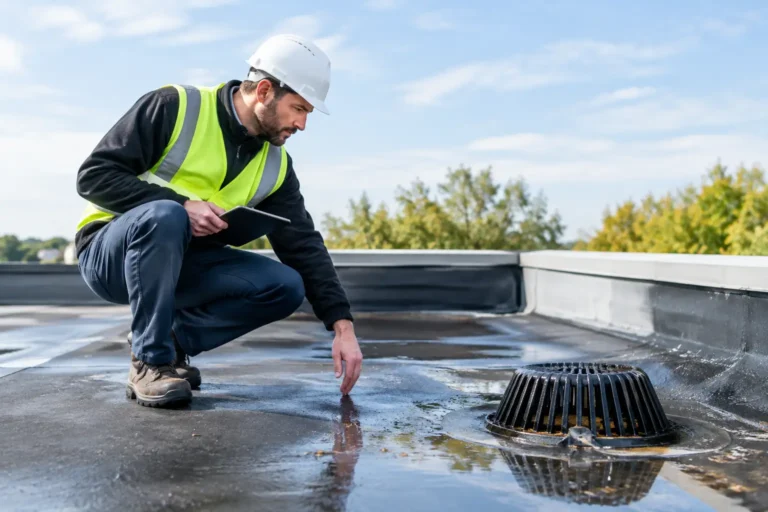
That is why site-specific advice matters. A proper installer should assess the full roof area, not just quote on a few gutter runs. They should look at downpipe capacity, overflow points, existing debris load and any problem sections that need cleaning or repair first.
Look closely at mesh size and debris type
When people think about how to choose gutter guards, they often focus on whether leaves will sit on top. That is only part of the picture. Fine debris matters too.
Large leaves are easy to understand, but Sydney roofs also collect bark, seed pods, blossoms and small particles that can build up over time. If the mesh aperture is too large, this finer material may still enter the gutter. If it is too restrictive without the right design and installation, water flow can be affected in heavy rain.
This is where balance matters. You want a mesh designed to keep out the debris common to your area while still allowing rainwater to pass into the gutter system efficiently. A reputable installer will explain that trade-off clearly rather than selling a generic solution for every property.
Consider bushfire ember protection where relevant
For homes near bushland or in higher-risk areas, gutter guards can play an important role in reducing ember entry and dry debris accumulation. That does not mean every product offers the same level of protection.
If ember risk is part of your concern, ask whether the mesh and installation method are suitable for that purpose. The quality of the fit matters just as much as the material itself. Gaps, weak fixing points or poorly finished edges can reduce the benefit. This is another reason to avoid treating gutter guards as a simple add-on rather than a properly installed protection system.
Ask what preparation is included before installation
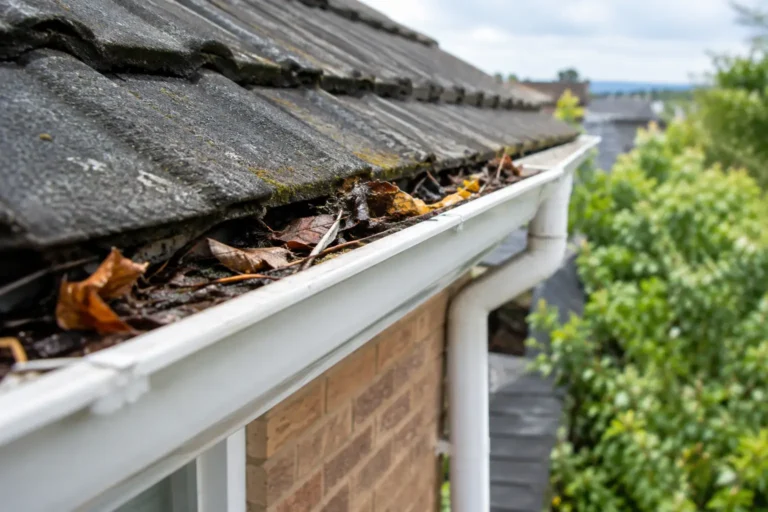
A new gutter guard installed over dirty gutters is not a good result. Debris should be removed first, and the roof and gutter line should be assessed so existing problems are not hidden under the new system.
This step is easy to overlook when comparing quotes, but it makes a real difference. If the gutters are already holding sludge, leaf matter or roof sediment, trapping that underneath can create future maintenance issues. If there are minor gutter defects, they should be identified before installation starts.
Good service includes proper cleaning, clear communication about the condition of the roofline and a tidy finish once the work is done. That level of care usually says a lot about how the whole job will be handled.
Compare installation quality, not just product claims
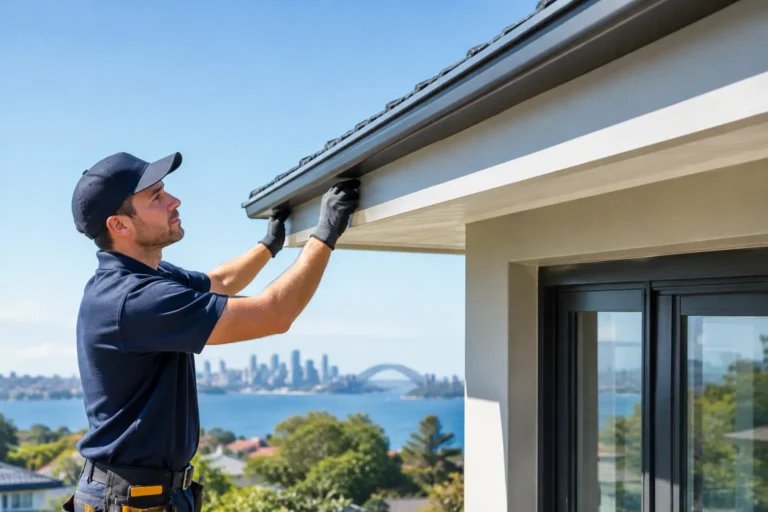
Even a premium mesh can underperform if the installation is rushed. The fixing method, how the mesh is tensioned, how corners and valleys are finished, and how the system integrates with the roof all affect long-term performance.
This is especially important on properties with awkward roof access or areas that collect heavy debris. The installer should know where water tends to back up, where leaves gather, and how to secure the system so it stays reliable through weather changes.
When you compare providers, ask practical questions. Who is actually doing the work? How much experience do they have with your roof type? Is the installation backed by a workmanship guarantee? Will they show you the result clearly, including roof photos if access is limited from the ground?
Those details matter because they speak to accountability. You are not just buying mesh. You are trusting a team to protect part of your property that you cannot easily inspect every day.
Be realistic about maintenance
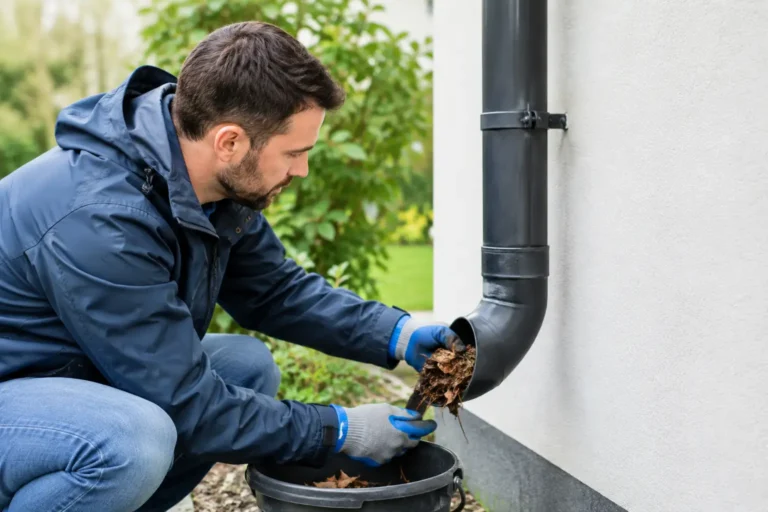
Gutter guards reduce maintenance, but they do not make a roof completely maintenance-free. That is worth saying plainly. Debris can still collect on top of the mesh, especially under overhanging trees, and roof surfaces still benefit from periodic inspection.
The goal is to reduce blockage risk, cut down the frequency of gutter cleaning and improve overall protection. A reliable system should make maintenance easier and less frequent, not create a promise no installer can honestly keep.
If a provider claims you will never need to think about your gutters again, that is a red flag. The better message is that the right system will lower your maintenance burden and help prevent the bigger problems that come from neglected gutters.
Choose a specialist who treats the job like protection work
There is a clear difference between a general handyman offering gutter guards as an extra service and a specialist who works on roofs, gutters and debris protection every day. The second option usually brings better product knowledge, safer work practices and a more complete approach.
That complete approach should include inspection, cleaning, installation, site cleanup and confidence in the finished result. It should also include straightforward advice if your property needs more than just gutter guards, such as gutter cleaning, roof cleaning or attention to problem drainage areas.
For Sydney homeowners and property managers, that practical expertise is often what turns a decent installation into one that actually lasts. Companies such as DX Gutter Guard focus on that combination of durable mesh, careful preparation and professional installation because the product only performs as well as the system around it.
When you are weighing up options, the right question is not just which gutter guard is cheapest or most advertised. It is which system is best suited to your property, installed by people who understand local conditions and stand behind their work. That is usually the choice that saves the most trouble later.
A good gutter guard should give you fewer surprises in storm season, less buildup in autumn and more confidence every time the weather turns. If a quote helps you feel clear about that, you are probably looking in the right place.