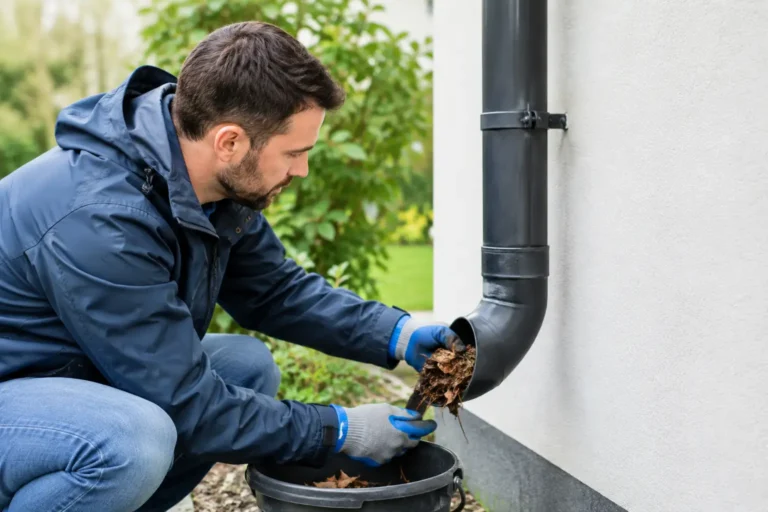
Leaf buildup rarely looks urgent at first. A few leaves sitting in a valley, along a roof edge or inside a gutter can quickly become a heavy, wet blockage after Sydney rain. Knowing how to remove leaf buildup properly helps protect your property from overflowing gutters, roof leaks, pest activity and unnecessary fire risk.
The safest approach depends on where the debris has collected, the height and pitch of the roof, and whether the gutters are already blocked. For many homes and commercial properties, the job is more than a quick sweep with a broom. It requires safe access, thorough cleaning and a plan to stop the same problem returning with the next storm.
Start by assessing where leaves are collecting
Before any cleaning begins, identify the areas where debris is building up. Leaves often gather in gutters and downpipes, but they also collect in roof valleys, behind chimneys, around skylights, beneath solar panels and on low-pitched roof sections. These are the places where water slows down, allowing leaf litter to settle and compact.
Check the ground around the building as well. Overflow marks on walls, water pooling near downpipes, damp patches beneath eaves and plants growing from gutters are all signs that buildup may be affecting drainage. If a gutter is overflowing during rain, the blockage may be further along the line or inside the downpipe rather than directly above the overflow point.
Do not assume that a gutter looks clear just because you can see part of it from the ground. Debris can form a dense, muddy layer below the visible edge, particularly after prolonged wet weather.
Choose a safe method for removing leaf buildup
For low, easily accessible areas, light and dry debris may be removed with a leaf blower or by hand using gloves and a bucket. This can work for a single-storey home with stable ground, safe ladder placement and a roof that is dry and easy to access.
However, roofs and gutters become dangerous quickly. Wet leaves are slippery, metal roofing can be difficult to walk on, and ladders can shift on uneven ground. Overreaching from a ladder is one of the most common causes of falls during gutter cleaning. If you cannot safely maintain three points of contact, reach the area without stretching, or work clear of powerlines, it is time to call a professional.
Avoid using a high-pressure cleaner as the first response to leaf buildup. While it may move loose debris, it can force wet leaf matter deeper into downpipes, splash mess over walls and windows, or dislodge poorly secured gutter components. Pressure cleaning may have a place in a professional roof-cleaning process, but it should be used with care and only after the drainage path has been assessed.
Clean the roof before cleaning the gutters
A common mistake is to empty the gutters while leaving thick leaf litter on the roof. The next gust of wind or burst of rain simply sends more debris straight back into them.
Start with roof valleys, flat areas and the sections immediately above the gutters. Remove leaves, twigs, seed pods and built-up organic matter carefully, working from the highest practical point towards the drainage points. Keep debris contained rather than pushing it into a gutter or downpipe.
Roof valleys deserve particular attention. They channel large volumes of water during heavy rain, so even a modest pile of leaves can redirect water under tiles, into roof spaces or over the side of the gutter. On tiled roofs, take care not to crack tiles or disturb their position. On metal roofs, avoid scraping the surface with sharp tools that may damage protective coatings.
Once the roof surface is clear, clean the gutter channel by hand or with suitable professional equipment. Remove the compacted layer at the bottom, not just the loose leaves on top. This is where moisture sits and where smaller debris can begin to break down into sludge.
Clear downpipes and test the full drainage path
A clean-looking gutter is not enough if the downpipe is blocked. Leaves, roofing grit and mud often collect at the downpipe outlet, especially where a gutter has been neglected through a wet season.
After removing debris from the gutter, check each downpipe opening. Clear visible material carefully, then test water flow with a controlled hose rinse. Water should move freely through the downpipe and away from the building. If it backs up, drains slowly or overflows at the top, there may be a blockage lower down.
Do not keep forcing water into a blocked downpipe. That can cause water to spill into eaves or wall cavities. A professional can locate the obstruction, clear it with the right equipment and confirm that connected stormwater drainage is functioning as it should.
Dispose of debris without creating another problem
Leaf litter removed from roofs and gutters is often wet, muddy and mixed with roof grit. Put it into garden waste or suitable rubbish containers rather than washing it into garden beds, driveway drains or the street gutter. Moving debris from your roof into stormwater drains only creates a blockage somewhere else.
If the leaf material is clean and free from roofing contaminants, it may be useful for composting or mulch. That said, gutter debris often contains fine sediment, bird droppings and other contaminants, so it is usually best treated as green waste rather than spread around edible gardens.
Before packing up, inspect the area below the work zone for dropped debris. A professional clean should leave the roof, gutters and surrounding property tidy, not leave a pile of wet leaves on paths, decks or garden beds.
Prevent leaf buildup from returning
Regular cleaning reduces immediate risk, but prevention is what saves the most time and expense over the long term. The right solution depends on your trees, roof design and exposure to wind-driven debris.
Pruning overhanging branches can reduce the volume of leaves reaching the roof. It also limits the risk of branches damaging tiles, roofing and gutters during storms. Pruning should be done carefully, particularly around powerlines or large established trees.
A quality gutter guard system offers a more reliable long-term solution for many Sydney properties. Premium aluminium mesh gutter guards are designed to keep leaves and larger debris out of the gutter while allowing rainwater to enter. They are particularly valuable for homes in leafy suburbs, properties near bushland and buildings with difficult roof access.
Not all gutter guard products perform the same way. A poorly fitted guard can lift in strong winds, allow debris underneath or restrict water flow in heavy rain. The preparation work matters just as much as the material. Gutters must be cleaned, drainage checked and the system fitted securely to suit the roof and gutter profile.
Even with gutter guards installed, occasional inspection is sensible. Fine debris can settle on top of mesh, and roof valleys still need to remain clear. The difference is that maintenance is generally simpler and far less frequent than cleaning open gutters filled with wet leaf matter.
When professional help is the better choice
Professional cleaning is the sensible option when the roof is steep, high, slippery, fragile or difficult to access. It is also worthwhile when gutters are overflowing, downpipes are blocked, debris has built up over several seasons, or you are concerned about water damage and bushfire exposure.
For strata managers and commercial property owners, scheduled maintenance can prevent small drainage problems becoming tenant complaints, ceiling damage or costly emergency call-outs. Documented before-and-after photos also provide useful reassurance that the work has been completed thoroughly.
DX Gutter Guard provides specialised roof and gutter cleaning, preparation and premium aluminium mesh gutter guard installation across Sydney. The focus is not simply on removing what is visible, but on ensuring water can move where it needs to go and that your property has practical protection against the next buildup.
If leaves are already sitting in your gutters, do not wait for the next downpour to reveal the problem. A clean roof, clear gutters and properly flowing downpipes give your property a far better chance of staying dry, protected and easier to maintain.