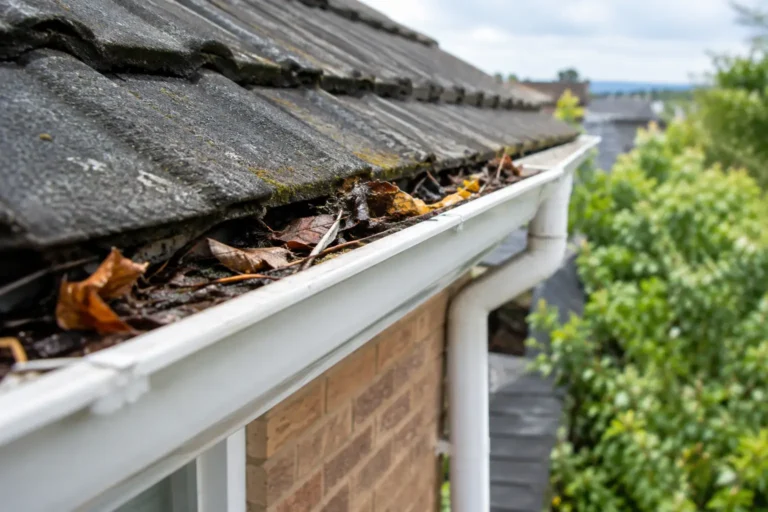
If you are comparing gutter protection for a Sydney property, a proper micro mesh gutter guard review should answer one question first – will it actually keep your gutters clear without creating new maintenance problems? That matters more than flashy product claims. What counts is how the system performs through gum leaves, jacaranda drop, storm debris and ember exposure, and whether the installation is done well enough to last.
Micro mesh gutter guard has built a strong reputation because, when it is matched to the right roof and fitted properly, it does a very good job of stopping fine leaf litter and reducing gutter cleaning. For many homes and commercial buildings, it is one of the better long-term options on the market. But it is not a magic fix, and the difference between a great result and a frustrating one usually comes down to mesh quality, frame strength, roof preparation and the installer’s attention to detail.
Micro mesh gutter guard review: how it performs
The biggest advantage of micro mesh is in the name. The openings are small enough to block not only large leaves, but also finer debris that slips through more open guard systems. In leafy Sydney suburbs, that makes a real difference. Standard guards can stop the obvious mess while still allowing seed pods, small leaf fragments and grit to settle into the gutter. Micro mesh is better at keeping that material out in the first place.
In day-to-day performance, that usually means less frequent gutter cleaning, better water flow to downpipes and less risk of overflow during heavy rain. It can also reduce the damp debris that attracts pests and accelerates corrosion in neglected gutters. For property owners trying to avoid repeat call-outs every season, those are worthwhile benefits.
That said, performance is not only about what stays out of the gutter. It is also about how water moves over the mesh surface. A good micro mesh system should encourage rainwater to shed into the gutter, not skate over the front edge. On some roofs, especially where pitch, rainfall intensity or roof profile are not accounted for, water can overshoot in heavy downpours. This is not a reason to avoid micro mesh altogether, but it is a reason to treat product choice and installation method seriously.
Where micro mesh works best
Micro mesh is a strong option for homes surrounded by trees, buildings with recurring blocked gutter issues, and properties where roof access is difficult or unsafe. It also suits owners who want a cleaner finish and a lower-maintenance system rather than a basic leaf screen.
It is especially useful when fine debris is the main problem. Pine needles, small eucalyptus leaves and blossom drop can beat wider-aperture guards over time. Micro mesh handles these conditions far better, provided the mesh is tensioned and supported properly.
Where results depend on the install
No gutter guard performs well if it is installed over existing debris, sagging gutters or failing brackets. This is one of the biggest issues in the market. Some systems are sold as if the mesh alone solves everything, but if the gutters are not cleaned, flushed and checked before installation, trapped muck can remain underneath and continue causing problems.
The same goes for roof edge detailing. Valleys, corners, box gutters and downpipe entries all need careful treatment. These are the areas where rushed workmanship shows up first.
Material quality matters more than the sales pitch
When customers ask whether micro mesh is worth it, the honest answer is that some versions are, and some are not. The phrase covers a broad range of products, from lightweight mesh with minimal support through to premium aluminium systems designed for Australian conditions.
The better systems use corrosion-resistant aluminium mesh and a solid frame or support profile that holds shape over time. This matters because gutter guards are exposed to harsh sun, wind, rain and debris impact year after year. Cheap mesh can warp, pull loose or degrade faster than expected. Once that happens, debris starts collecting in low spots, and the guard stops doing the job it was meant to do.
In coastal or high-exposure environments, material choice becomes even more important. A low-grade product might look fine on day one and disappoint within a few seasons. A stronger aluminium system costs more upfront, but it usually gives a better return because it stays stable and effective longer.
Is micro mesh gutter guard good for bushfire protection?
This is where a micro mesh gutter guard review needs a bit of nuance. Micro mesh can support bushfire preparedness because it helps stop dry leaf litter building up in gutters, and that reduces fuel load around the roofline. For many Sydney properties near bushland or in ember-prone areas, that is a meaningful advantage.
But not every mesh product offers the same level of fire performance. Compliance depends on the system, the aperture, the material and how it is installed. If bushfire protection is a priority, you need more than a generic claim. You need a system suited to the relevant BAL requirements and fitted in a way that does not leave vulnerable gaps.
So yes, micro mesh can be a smart part of a broader protection strategy, but it should be assessed properly for the specific property rather than assumed to be automatically compliant.
Maintenance expectations: lower, not zero
One of the most common misconceptions is that gutter guard means no maintenance ever again. Realistically, micro mesh reduces maintenance significantly, but it does not remove it entirely.
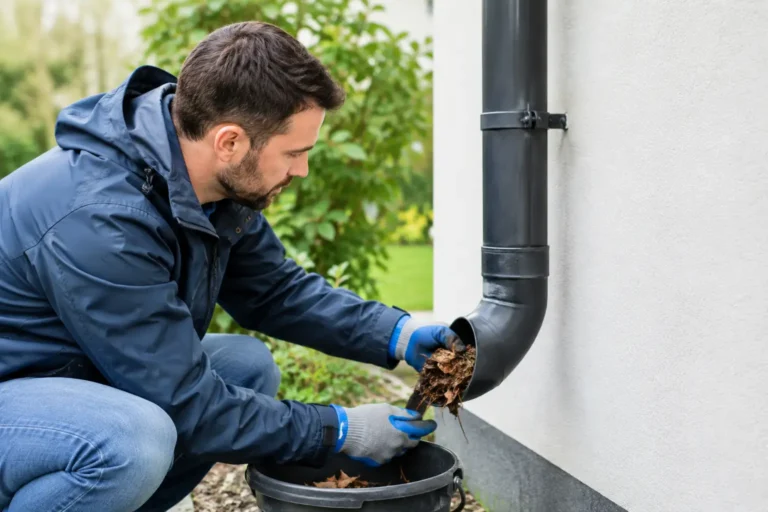
Debris can still settle on top of the mesh, particularly in valleys or behind roof features where water flow is uneven. In most cases, wind and rain will clear much of it, but some properties will still benefit from periodic roof and gutter guard cleaning. The good news is that this is usually simpler and less frequent than dealing with blocked open gutters.
A well-installed system should also make inspections easier. If there is an issue, it is more likely to be localised and visible rather than hidden under a thick layer of wet debris.
Cost versus value
Micro mesh gutter guard generally sits above basic plastic or expanded mesh options on price, and for good reason. The materials are finer, the fitting process is more exact, and the expected performance is higher. For owners comparing quotes, the temptation is to focus on the cheapest number. That is understandable, but it can be expensive later if the product fails or the installation cuts corners.
The better way to look at value is over time. If a system reduces gutter cleaning frequency, lowers the risk of overflow damage, helps protect the roofline and lasts for years without sagging or corroding, the upfront cost starts to make more sense. On many properties, especially those with recurring leaf problems, that long-term value is where micro mesh earns its place.
It also helps to consider what is included. A complete service should cover gutter cleaning before install, inspection of existing issues, proper fitting to the roof profile, tidy finishing and site cleanup. If a quote leaves those parts vague, ask more questions.
What to look for in a quality installation
A reliable installer will not sell gutter guard as a one-size-fits-all fix. They should assess the roof type, existing gutter condition, debris load and any bushfire considerations before recommending a system. They should also be clear about what the product can and cannot do.
Look for strong workmanship standards, durable aluminium materials, careful detailing around valleys and downpipes, and clear communication about aftercare. Photo evidence of completed work is also a good sign, because it shows pride in the finish and gives you confidence that the job was done properly.
This is where a specialist service matters. Gutter protection is not just about attaching mesh. It is about setting up the whole roof drainage system to perform reliably through Sydney conditions.
Final verdict on micro mesh gutter guard
As a practical micro mesh gutter guard review, the verdict is positive. For many Sydney homes and commercial properties, it is one of the most effective ways to cut down blocked gutters, reduce cleaning frequency and improve roofline protection. It performs particularly well where fine leaf litter is the main problem, and it can add valuable support for ember defence when the right system is chosen.
The trade-off is that quality matters. Product grade, roof compatibility and installation standards will decide whether you get years of reliable protection or a system that disappoints early. If you want the result to last, choose a solution built for local conditions and installed by a team that treats preparation, workmanship and cleanup as part of the job – not optional extras.
A good gutter guard should give you fewer surprises when the next storm hits, and that peace of mind is usually worth doing properly the first time.