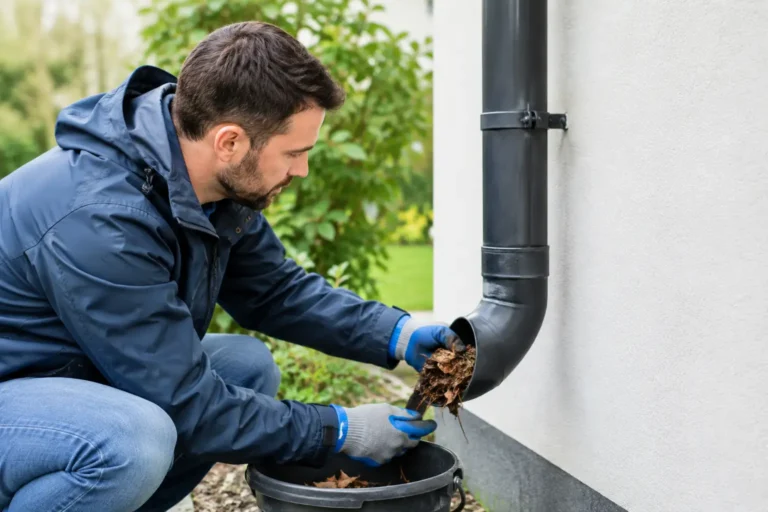
A roof rarely asks for attention until something goes wrong. By the time you notice water spilling over gutters, damp patches near ceilings, or leaf litter packed into valleys, the clean-up is usually bigger and more expensive than it needed to be. That is why a proper roof cleaning maintenance guide matters for Sydney property owners. It helps you stay ahead of blocked gutters, roof wear, storm debris and fire risks before they turn into repair jobs.
In Sydney, roofs take a fair bit of punishment. Leafy suburbs deal with gum leaves, seed pods and twigs all year round. Coastal areas add salt and wind exposure. Storm season can dump debris across a roof in one afternoon. If a property is surrounded by trees, even a solid roof can become a collection point for rubbish that traps moisture and restricts water flow.
What roof cleaning maintenance actually involves
Roof cleaning is not just about making the roof look tidier from the street. Good maintenance removes the build-up that interferes with drainage, shortens roof life and creates safety issues. That includes leaves in valleys, sludge in gutters, dirt around flashings, moss or lichen on some roof types, and debris sitting behind solar panels or around roof penetrations.
The maintenance side is what many property owners overlook. A one-off clean helps, but roofs usually need ongoing attention based on the home’s surroundings. A house under heavy tree cover will need a different schedule from a newer commercial property in a more open area. The right plan depends on leaf load, roof design, gutter condition and how quickly debris returns after cleaning.
Why Sydney properties need a roof cleaning maintenance guide
Sydney homes and commercial buildings often deal with the same pattern. Leaves collect on the roof first. Rain then washes smaller debris into the gutters and downpipes. Once that material becomes wet and compacted, drainage slows. Water starts backing up, overflowing and sitting where it should not.
That can lead to stained fascia, rotted timber, rust, internal leaks and unnecessary pressure on the gutter system. In bushfire-prone areas, dry debris on roofs and in gutters is also more than a maintenance issue. It is fuel. Keeping roof areas clear is one of the practical steps property owners can take to reduce ember-related risk.
There is also the cost factor. Routine roof cleaning is far more manageable than emergency leak repairs, storm-related damage or replacing sections of guttering that have been carrying unnecessary weight for months.
How often should a roof be cleaned?
There is no single answer, and anyone who gives one without looking at the property is guessing. For some Sydney properties, annual maintenance is enough. For others, especially in leafy suburbs or near overhanging branches, six-monthly cleaning makes more sense.
If your gutters fill quickly, if you have multiple roof valleys, or if you have had overflow problems before, more frequent inspections are worth it. Commercial properties can also need tighter maintenance intervals if public presentation, drainage reliability or insurance compliance is a concern.
A practical rule is to inspect after major storms and before high-risk seasons. Late autumn and early spring are often sensible times to check conditions, but tree type and site exposure matter more than the calendar.
Signs your roof needs attention sooner
Some warning signs are obvious. Others are easy to miss from the ground. If you notice water spilling over gutter edges in rain, plants growing in gutters, sagging sections, debris visible from the driveway, or staining on external walls, it is time to act.
You might also see smaller clues such as birds pulling material from gutters, a musty smell after rain, or dirt lines where water has been running the wrong way. On tiled roofs, leaf build-up in valleys is a common issue. On metal roofs, trapped debris can hold moisture against surfaces longer than it should.
When left alone, these problems do not stay cosmetic for long. They usually become drainage, corrosion or water-entry issues.
Roof cleaning maintenance guide: what a professional service should cover
A proper service should do more than blow leaves around. The goal is to remove debris thoroughly, check drainage performance and leave the site clean. In most cases, that means clearing the roof surface, cleaning valleys, removing all gutter debris, checking downpipe flow and cleaning up the ground afterwards.
For many properties, photos before and after the job are also valuable. They show exactly what was removed and help build confidence that the roof and guttering have been properly cleared. This is especially useful for landlords, strata managers and business owners who may not be on site during the work.
The best approach is careful and roof-specific. Different roof materials and pitches need different handling. Safety matters too. Roof cleaning is not a casual weekend task when working at height, especially on wet surfaces or multi-storey properties.
The value of gutter guards in a maintenance plan
A roof cleaning maintenance guide would be incomplete without mentioning prevention. Cleaning removes existing debris. Gutter guard helps reduce how much builds up in the first place.
For properties under regular leaf pressure, premium aluminium mesh gutter guard can make a major difference. It helps stop larger debris from filling gutters, reduces cleaning frequency and supports more consistent water flow. It can also lower the risk of ember entry in areas where fire protection is part of the conversation.
That said, gutter guard is not a magic fix for every roof. It still needs to be installed properly and matched to the roof profile. Debris can still settle on top of the mesh and should be cleared as part of ongoing maintenance. The benefit is that you are dealing with lighter surface build-up rather than gutters packed with wet leaf matter.
What property owners should not ignore
Trying to save money by delaying service often creates the opposite result. Heavy gutter build-up adds weight, especially when soaked. Blocked downpipes force water back into places it should not go. Small issues at the roofline can show up later as internal damage, mould, paint failure or landscaping washout below.
DIY cleaning is another area where trade-offs matter. For a single-storey property with easy access and minimal debris, some owners may be tempted to handle it themselves. But many Sydney roofs are steep, high, awkward or surrounded by power lines and trees. The risk of a fall or accidental roof damage is real. Professional work is usually the safer and more reliable option, particularly when the goal is prevention rather than a quick tidy-up.
Building a maintenance routine that works
The most effective roof care plans are simple and consistent. Start with a professional assessment of the roof and gutter condition. From there, set a cleaning schedule based on the amount of debris your property actually collects, not what a generic checklist says.
If your property sits under heavy tree cover, pair regular roof and gutter cleaning with a gutter guard solution designed for long-term performance. If your site has had previous leak issues, ask for inspections around valleys, flashings and downpipe discharge points. If you manage multiple properties, documented maintenance and photo reporting can make future decision-making much easier.
For Sydney owners who want fewer surprises, this is where a specialist service stands apart from a general handyman approach. Thorough preparation, proper installation, careful cleaning and visible results all matter when you are protecting the building rather than just ticking off a task.
At DX Gutter Guard, that practical mindset is central to the work. Clean properly, protect what matters, and make the next storm less of a concern.
A smarter long-term approach to roof cleaning maintenance
The best time to deal with roof debris is before it causes damage, not after the first leak appears. A reliable roof cleaning maintenance guide is really about reducing risk – to your roof, your gutters, your interiors and your ongoing maintenance budget.
If your roof collects leaves every season, if your gutters overflow in heavy rain, or if you simply want more confidence that the property is protected, now is a good time to have it checked. Staying ahead of the build-up is usually the simplest way to protect the whole system and keep maintenance under control.