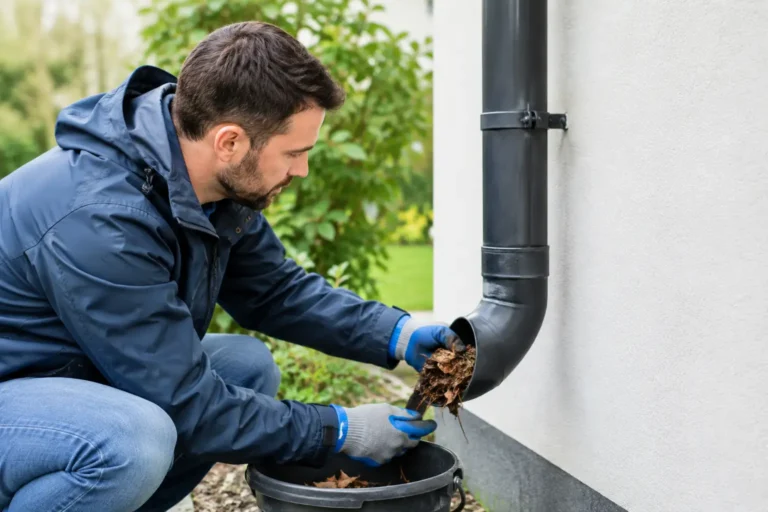
Leaves packed into roof valleys after a windy week are not just untidy – they are one of the fastest ways for a small maintenance issue to turn into blocked gutters, water overflow and avoidable roof trouble. A professional roof debris removal service gives Sydney property owners a safe, reliable way to clear that buildup before it starts causing damage.
For many homes and commercial buildings, especially in leafy suburbs, roof debris builds up gradually and then all at once becomes a problem. Gum leaves, twigs, seed pods, dirt and storm rubbish collect around valleys, gutters, downpipes and behind roof fixtures. Once rain hits, that material traps water, slows drainage and adds weight where it should not be sitting. By the time you can see overflow from the ground, the debris has often been there for quite a while.
Why roof debris should never be left sitting
Debris on a roof does more than make the property look neglected. It creates real pressure points across the drainage system. Water can back up into gutters, spill over fascia boards and run down external walls. In some cases, it also pushes moisture under roofing materials or into areas that are meant to stay dry.
In Sydney, the risk is not limited to rain. During hotter months, dry leaf litter on a roof can increase ember risk in bushfire-prone or exposed areas. Even outside high-risk zones, dry debris around gutters and valleys is not something most property owners want sitting overhead through summer.
There is also the issue of roof wear. Organic matter holds moisture, and when that moisture sits against roofing materials for long periods, it can contribute to deterioration. The exact impact depends on the roof type, pitch, surrounding trees and the amount of shade, but the pattern is common – the longer debris stays put, the more likely it is to create a bigger maintenance bill later.
What a roof debris removal service should include
A proper roof debris removal service is not just someone blowing leaves around for half an hour and calling it done. The work should be methodical and focused on the whole drainage path, not only the visible surface buildup.
That means removing debris from roof areas where leaves commonly gather, including valleys and around roof penetrations, then clearing gutters and checking that downpipes can carry water away properly. It should also include site cleanup, because roof rubbish that ends up all over the driveway or garden is not a finished job.
For many customers, the difference between a specialist service and a general handyman comes down to care and consistency. A specialist is more likely to understand where debris tends to compact, where water backs up first and how roof cleaning connects to gutter performance over time. That matters if your goal is not just a cleaner roof today, but fewer problems after the next storm.
Roof debris removal service and gutter performance
Your gutters cannot do their job if the roof keeps feeding them leaf litter every time the wind picks up. That is why roof cleaning and gutter cleaning are closely linked. Clearing gutters without dealing with roof debris often gives you a short-term improvement, but not much lasting benefit if the roof above is still loaded with material ready to wash straight back in.
This is one of those areas where timing matters. If a property has heavy tree coverage, frequent debris removal may be the practical option. If the issue is constant and repetitive, it may make more sense to combine cleaning with a longer-term protective solution such as gutter guard. The right approach depends on the volume of debris, the roof design and how often the property is affected.
For Sydney homes surrounded by gums or large established trees, a service that looks at the whole system tends to deliver better value. Instead of treating each blocked gutter as a separate problem, it addresses the source of the buildup and reduces the chance of repeat callouts.
When to book roof debris removal
Some properties need attention after obvious events such as storms, high winds or heavy leaf drop in autumn. Others need routine maintenance because of their location. If your home is under tree canopy, near parkland or in a suburb where leaf litter is constant, waiting for visible overflow is usually too late.
Common signs it is time to book a roof debris removal service include water spilling from gutters during rain, plant growth in the gutter line, visible leaf buildup in valleys, staining on external walls, or birds and pests gathering around blocked areas. Even if none of those signs are obvious from the ground, a roof may still be carrying more debris than expected.
Property managers and business owners often benefit from scheduled maintenance because it helps avoid reactive repairs and keeps sites presentable. Homeowners usually want the same thing for a different reason – peace of mind that the roof and gutters are not quietly deteriorating overhead.
Why professional access matters
Roof work is not casual weekend work, particularly on multi-storey homes, steeper pitches or surfaces that become slippery with dust, leaf litter or moisture. Safety is one reason many property owners choose professionals, but it is not the only one.
A professional service also reduces the risk of incomplete cleaning or accidental damage. Walking in the wrong place, dragging debris across the roof surface or missing compacted material in key drainage areas can all create problems. What looks clean from the ladder is not always clean where it counts.
A reliable contractor should turn up prepared, work carefully, and leave the site tidy. Clear communication matters too. Customers want to know what was found, what was removed and whether there are any issues to monitor. Before-and-after photos are especially useful because they show the result without asking the customer to climb up and inspect it themselves.
A good service does more than remove leaves
The best roof debris removal service is part of a broader property protection plan. Cleaning solves the immediate issue, but recurring debris often points to a bigger maintenance pattern. That does not always mean a major upgrade is needed, but it can mean the property would benefit from a more preventative approach.
For example, some roofs collect debris because of valley design, tree positioning or a gutter layout that catches material faster than it sheds it. In those cases, regular cleaning may still be necessary, but pairing it with quality gutter guard can reduce the frequency and severity of future blockages.
That is where working with a specialist makes a difference. A company focused on roof and gutter protection can identify whether the job calls for simple cleaning, ongoing maintenance, or a longer-term system designed to cut down future buildup. DX Gutter Guard takes that approach because customers are usually not looking for a once-off tidy-up alone. They want fewer headaches, less risk and more confidence every time it rains.
Choosing the right roof debris removal service in Sydney
Not all services are equal, and the cheapest quote is not always the best value. Property owners should look for a provider with proven experience in roof and gutter care, strong local knowledge and a clear standard of workmanship. In Sydney, that local knowledge matters because debris patterns vary across suburbs, and homes near dense tree cover face very different maintenance demands from more exposed sites.
It also helps to choose a team that treats the property with respect. That means turning up when promised, explaining the scope clearly, cleaning up properly and providing visible evidence of the work completed. Good service should feel straightforward, not uncertain.
There is no single maintenance schedule that suits every property. A modern home with little tree cover may need occasional attention. A larger home in a leafy area may need more regular cleaning and added gutter protection. The key is to match the service to the real conditions at the property, not assume every roof behaves the same way.
If debris is building up on your roof, waiting rarely improves the situation. A timely clean can prevent blocked gutters, reduce avoidable water issues and make it easier to protect the property for the long term. Sometimes the smartest maintenance decision is the one that stops a problem before it announces itself.