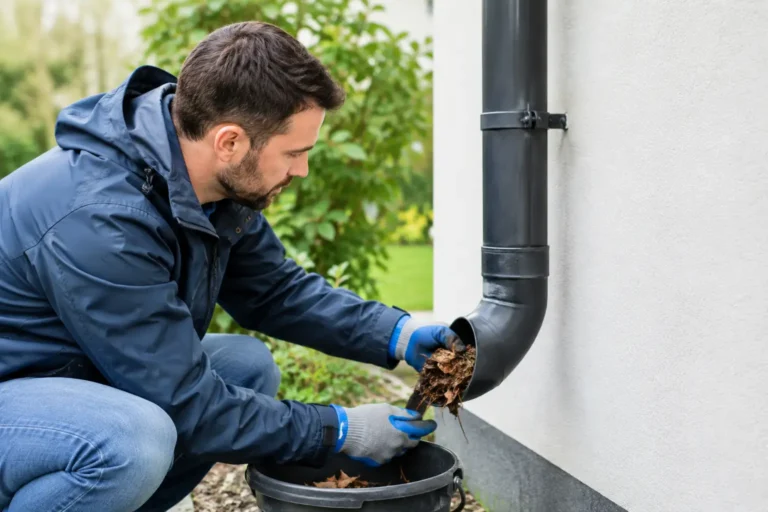
A small roof issue rarely stays small for long. A handful of leaves in the wrong place can trap water, overflow into eaves, stain walls, and turn a simple clean-up into a repair bill. That is why a solid roof maintenance guide for homeowners is less about chores and more about protecting your home, your safety, and your long-term costs.
In Sydney, roofs take a fair hit. Wind-blown debris, heavy rain, summer heat, gum leaves and storm seasons all add pressure over time. If your property sits in a leafy suburb or near bushland, the risk goes up again. The good news is that regular maintenance does not need to be complicated. What it does need is consistency, a sharp eye for warning signs, and the discipline to act before minor problems become expensive ones.
What a roof maintenance guide for homeowners should cover
A useful roof maintenance guide for homeowners should focus on the parts of the roof system that fail first, not just the parts you can easily see from the driveway. Most water issues do not begin with a dramatic hole in the roof. They usually start with blocked gutters, failing flashings, cracked tiles, rust spots, loose ridge capping, or debris holding moisture where it should not sit.
Your roof is not working alone. Gutters, downpipes, valleys and drainage points all play a role in moving water away from the structure. If one part is blocked or damaged, the whole system becomes less reliable. That is why roof care and gutter care should always be treated together.
For most homeowners, the practical goal is simple. Keep the roof surface clear, make sure water can drain properly, check for signs of movement or wear, and arrange professional service when access or risk becomes an issue.
The maintenance checks that matter most
The first thing to watch is debris buildup. Leaves, seed pods, twigs and dirt tend to collect in roof valleys, behind chimneys, around skylights and inside gutters. When debris stays damp, it accelerates deterioration and creates the perfect conditions for overflow. In some parts of Sydney, it can also raise bushfire risk by giving embers something to catch.
The next issue is drainage. If water is spilling over the gutter edge during rain, that is not normal wear and tear. It usually means there is a blockage, poor fall, or a capacity issue. You may also notice water marks on fascia boards, staining on external walls, or pooling near the base of the home. Those signs often point back to the roofline.
Then there is the roof covering itself. On tiled roofs, look out for cracked, slipped or broken tiles. On metal roofs, check for rust, loose fasteners and lifting sheets. Flashings around penetrations and wall junctions deserve close attention because they are common leak points. A roof can look fine from the ground and still have vulnerable areas that only show up under heavy rain.
Insulation and ceiling spaces can also tell you a lot. A musty smell, mould growth, damp insulation or water marks inside the roof cavity often appear before a leak becomes visible in the living area. If you notice any of these signs, it is worth investigating quickly.
How often should roof maintenance be done?
For most Sydney homes, a visual roof and gutter check twice a year is a sensible baseline, usually before storm season and again after periods of heavy leaf fall. If your home is surrounded by trees, near bushland, or regularly exposed to wind-driven debris, you may need more frequent attention.
It depends on the property. A newer home with good drainage and minimal tree cover may go longer between services. An older roof in a leafy suburb may need a much tighter schedule. Waiting until a problem is obvious is usually the most expensive option.
After major weather events, an extra inspection is a smart move. Strong winds can dislodge tiles, shift debris into valleys, and clog gutters and downpipes in a single storm. The damage is not always dramatic, but it can be enough to create slow leaks or overflow in the next downpour.
DIY checks versus professional roof maintenance
There is a difference between being proactive and putting yourself at risk. Homeowners can safely do basic checks from the ground, from upper windows, or by looking for internal signs such as stains and damp patches. Binoculars and clear daylight can reveal quite a lot without anyone leaving the ground.
Actually getting on the roof is another matter. Falls are one of the biggest risks in home maintenance, and roofs can be more fragile than they appear. Wet tiles, steep pitches, brittle materials and hidden weak points all make DIY roof work hazardous. Pressure cleaning without the right method can also damage surfaces or force water where it should not go.
Professional maintenance makes sense when access is difficult, debris is heavy, repairs are needed, or gutters need a proper clean and flush. It also gives you a clearer picture of the roof’s condition. A specialist can identify early wear, clean thoroughly, and show you what was found so you are not left guessing.
Why gutters are central to roof health
Many roof problems start with gutters that are treated as an afterthought. When gutters are blocked, water backs up under the roof edge, overflows onto walls, and can affect fascia, eaves and even foundations. In heavy rain, a blocked system simply cannot move water fast enough.
That is why preventative protection matters. For homes dealing with regular leaf buildup, gutter guard can reduce the cycle of repeated blockage and cleaning. It is not a licence to ignore maintenance forever, but it can significantly cut debris accumulation and help the system perform more reliably over time.
The quality of the product and installation matters here. A poorly fitted guard can create new problems, while a durable mesh system installed properly can improve water flow and reduce maintenance pressure. For many property owners, especially in leafy areas, this is one of the most practical long-term upgrades available.
Seasonal issues Sydney homeowners should expect
Summer brings dry debris, heat stress and elevated ember risk in certain areas. That makes roof and gutter cleanliness more than a cosmetic issue. Autumn often means a sharp increase in leaf litter, particularly where gum trees overhang the roof. Winter tends to expose drainage weaknesses because blocked gutters and poor falls become obvious in steady rain. Spring can bring storms, high winds and fresh debris loads that test the whole system.
Each season reveals different weaknesses. That is another reason routine checks work better than reactive repairs. You are not just cleaning for the sake of tidiness. You are preparing the home for what the next few months are likely to throw at it.
Signs you should not ignore
Some warning signs deserve immediate attention. Water stains on ceilings, bubbling paint, mould near cornices, sagging gutters, rusted sections, or visible plant growth in gutters all suggest the roof drainage system is struggling. If you can hear water dripping in the ceiling space during rain, that needs prompt investigation.
Less obvious signs matter too. A sudden increase in pests around the roofline, bits of mortar in the gutters, or repeated overflowing in one corner of the house may point to underlying deterioration. These are the sorts of issues that often look minor until they are paired with a heavy storm.
A smarter long-term approach
The most cost-effective roof care is usually preventative, not reactive. Regular cleaning, timely repairs and professional inspection help stretch the life of the roof and reduce the chance of emergency call-outs. It also gives homeowners better control over budgeting. Planned maintenance is easier to manage than sudden internal water damage.
For properties exposed to ongoing debris, combining roof cleaning with gutter cleaning and a quality gutter guard system can make maintenance far more manageable. That is where a specialist service can add real value. Companies such as DX Gutter Guard focus on the full picture – cleaning, preparation, protection and workmanship that is built for long-term performance.
A roof does not need constant attention, but it does need respect. If you treat roof maintenance as part of protecting the whole property, you are far more likely to avoid the messy, expensive surprises that catch homeowners off guard. The best time to deal with roof trouble is before rain, debris and time get the final say.