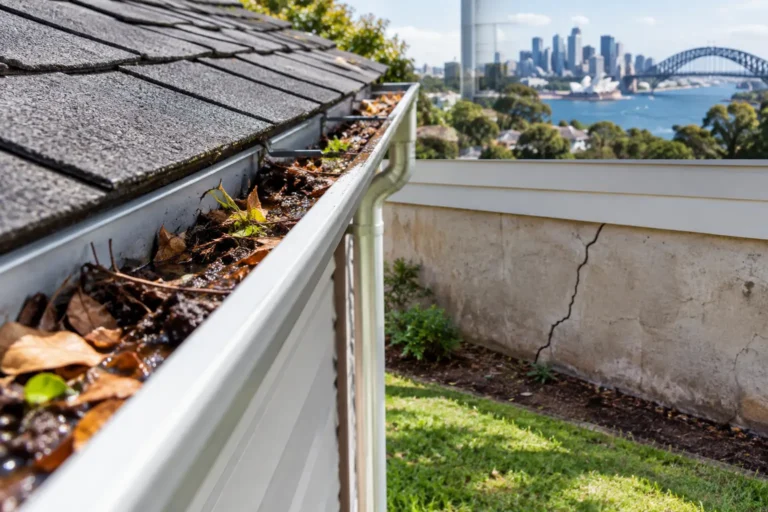
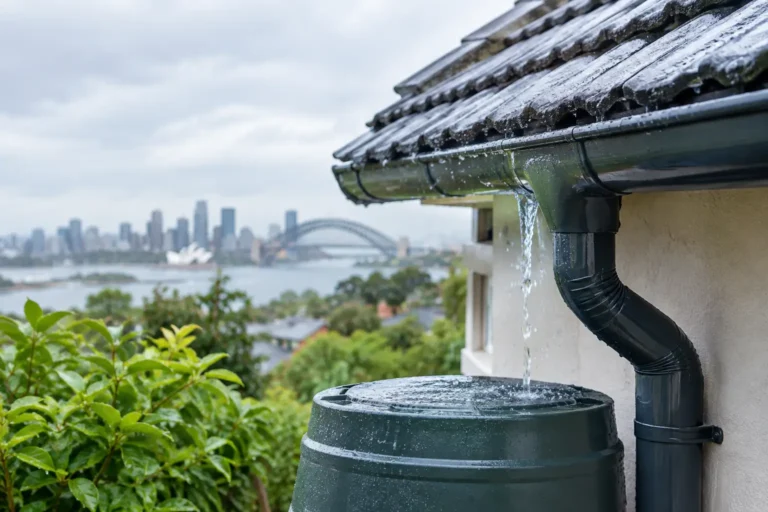
The first heavy downpour of the season is usually when gutter problems show up fast. Water spills over the edge, downpipes back up, and debris that looked harmless a week earlier suddenly turns into a drainage failure. Good storm season gutter preparation gives you a chance to fix those issues before they turn into roof leaks, stained walls, soggy gardens, or costly internal damage.
In Sydney, that matters more than many property owners realise. A short burst of intense rain can put a gutter system under serious pressure, especially on homes surrounded by gum trees or commercial buildings with large roof areas. If gutters are already holding leaves, dirt, seed pods, or roofing sediment, they do not need much more to become a problem.
Why storm season gutter preparation matters in Sydney
Storms test the parts of your property that are easy to ignore when the weather is calm. Gutters and downpipes are supposed to move water quickly and safely away from the building. When they cannot do that, the damage does not always stay at roof level.
Overflowing gutters can send water behind fascia boards, into eaves, down external walls, and around foundations. On some properties, blocked sections can also contribute to ponding near entrances or driveways, creating slip hazards and unnecessary wear on surrounding surfaces. For commercial sites, that can become a maintenance issue and a presentation issue at the same time.
There is also the debris factor. In leafy suburbs, storm activity often means twigs, bark, and leaf litter collect quickly. If that material is already sitting in your gutters before the season starts, the next storm can compact it tightly and make cleaning harder. In some areas, dry organic buildup is not only a water flow issue but also part of a wider ember risk conversation.
What to check before storm season starts
Storm season gutter preparation is not just about whether the gutter looks full from the ground. A proper check looks at how the full drainage system is performing and where it may fail under pressure.
Start with obvious signs of blockage or overflow. Water marks on fascia, staining on external walls, plant growth in gutters, sagging sections, and dirt washed onto paving are all signs that water has not been draining as it should. If you have seen water sheeting over the side during previous rain, that is already enough reason to act.
Downpipes deserve just as much attention as gutters. A roofline may look relatively clean while the actual choke point is lower down. If downpipes are partially blocked, water has nowhere to go during sustained rain. On multi-storey homes and larger commercial buildings, this can be difficult to assess safely without proper access equipment and experience.
Roof valleys are another common trouble spot. Debris collects there quickly, and once water flow is restricted, it can back up into areas where it should never sit. That is one of the reasons a basic visual check from the ground is not always enough.
The difference between a minor issue and a major repair
A small amount of leaf litter may only require routine cleaning. A rusted section, loose bracket, poorly pitched run, or cracked downpipe is different. Cleaning helps when the system is fundamentally sound. If parts of the system are damaged or installed poorly, cleaning alone may not prevent overflow in the next storm.
That is where experience matters. A specialist can tell whether your gutters simply need clearing, whether they need repair, or whether a longer-term solution such as gutter guard installation makes more sense for your property.
Cleaning is the starting point, not the whole solution
A lot of property owners think of storm prep as a once-off gutter clean. That is certainly part of it, but not always the full answer, particularly in suburbs with constant leaf drop. If your gutters are filling up every few months, repeated cleaning can become an expensive cycle without solving the source of the problem.
Professional cleaning before storm season removes the compacted debris that blocks water flow and adds weight to the gutter line. It also allows for a proper inspection of the roof drainage system while access is already in place. That combination matters. Cleaning without inspection can miss early signs of wear, and inspection without cleaning can hide them.
For many homes, timing is important. If you leave cleaning until after the first major storm warning, booking windows become tighter and the risk is already higher. It is usually better to schedule service before the season turns, while there is still time to address anything more serious.
When gutter guards make the most sense
For some properties, especially those under tree cover, storm season gutter preparation should include thinking beyond cleaning. Gutter guards help reduce the amount of leaf litter and debris entering the gutter system in the first place. That means water has a better path to flow through during heavy rain, and maintenance becomes far more manageable.
This does not mean gutter guards eliminate all upkeep forever. Any system still benefits from periodic inspection, and roof surfaces can still collect debris that should be cleared. But on the right property, a quality aluminium mesh system can significantly reduce blockages, cut down cleaning frequency, and provide more reliable performance when storm conditions hit.
The key point is quality. Poorly fitted products can create new problems, including lifted edges, trapped debris, or poor water entry. Materials and installation both matter. A professionally installed system designed for Australian conditions is very different from a quick fix that looks acceptable from the ground but fails in the first serious weather event.
Homes and commercial sites have different needs
A single-storey home in a moderately leafy street may only need seasonal cleaning and selective protection around problem sections. A larger property with complex rooflines, multiple valleys, and heavy surrounding vegetation may benefit from a more complete gutter guard solution.
Commercial buildings have their own considerations. Larger roofs move a greater volume of water, and maintenance delays can affect tenants, operations, and public-facing areas. Preventative work is often more cost-effective than responding after overflow or ingress has already occurred.
Why DIY storm prep often falls short
Many people can see when a gutter is overflowing. Far fewer can inspect and prepare a full roof drainage system safely and thoroughly. Ladder work, roof access, and wet or debris-covered surfaces all carry real risk. Even on a single-storey home, it only takes one unstable position or one patch of slick debris for things to go wrong.
There is also the question of what gets missed. A quick cleanout may remove visible leaves near the edge while compacted material remains deeper in the gutter run or inside the downpipe. Small defects can be overlooked, and by the time they become obvious, the next storm has already done the damage.
For property owners who want the job done properly, professional service brings a practical advantage. You get thorough cleaning, experienced assessment, and a clearer picture of whether your system is ready for the season ahead. That is especially valuable if you are responsible for a larger property or do not want to gamble on roof safety.
What a professional storm season gutter preparation service should include
A reliable service should do more than remove debris and leave. It should focus on performance, safety, and visible care for the property.
That means clearing gutters, checking downpipes, identifying problem areas, and removing roof debris where required. It also means working in a way that respects the site – careful access, proper cleanup, and clear communication about what was found. Before-and-after photos can be particularly useful because they show the condition of the roof and gutters without asking the owner to climb up and inspect it themselves.
If protection is recommended, the advice should be specific to the property, not a one-size-fits-all sales pitch. Some buildings genuinely need only a thorough clean and periodic maintenance. Others are better suited to a premium gutter guard system that reduces future blockages and helps protect against recurring storm-related issues.
For Sydney property owners, this kind of specialised service is where a company like DX Gutter Guard stands apart from a general handyman approach. The work is not just about making gutters look tidy. It is about making sure the system performs when it matters.
The cost of waiting too long
Putting off gutter work can feel harmless when the weather is clear. Then one storm turns a manageable maintenance job into urgent repair work. Water damage, internal staining, fascia deterioration, saturated landscaping, and emergency callouts all cost more than preventive care.
There is a peace-of-mind factor as well. When gutters are clean, drainage paths are clear, and protection is in place where needed, you are not watching the weather forecast wondering what might happen this time. You can be confident the property has been prepared properly.
If your gutters have not been checked recently, now is the right time to act – before the next storm tests the whole system for you.