You usually do not notice your gutters until water starts spilling where it should not. By that point, a small maintenance issue can already be turning into stained walls, soggy garden beds, roof damage, or a much bigger clean-up bill. Knowing the top signs gutters need cleaning helps you act early and protect your home or commercial property before blocked gutters create avoidable damage.
In Sydney, gutters can fill up faster than many owners expect. Leaf litter, bark, seed pods, dirt, nesting material and storm debris all build up over time, especially in leafy suburbs or on properties surrounded by tall trees. Even a gutter that looked fine a few months ago can become a problem after one windy week or a heavy downpour.
The top signs gutters need cleaning
The clearest warning sign is water overflowing during rain. If water is spilling over the front or sides of the gutter instead of flowing into the downpipe, there is a good chance debris is restricting the channel. Overflow might seem minor during a light shower, but in heavier rain it can dump large amounts of water against fascia boards, external walls, windows and foundations.
Another common sign is plant growth in the gutter. If you can see grass, weeds or moss taking hold along the roofline, the gutter is holding enough dirt and moisture to support growth. At that stage, you are not dealing with a light layer of debris. You are dealing with a blockage that has been sitting there long enough to trap sediment and stay damp.
Sagging gutters are also worth taking seriously. Wet leaf matter becomes surprisingly heavy, and when it sits in sections of guttering, it puts constant strain on brackets and fixings. Sometimes the gutter itself is still intact, but it starts to pull away from the roof edge or lose its fall. Once that happens, water drainage gets worse, not better.
Staining on exterior walls can point to a gutter problem as well. Dirty streaks, peeling paint, or marks running down the outside of the house often mean water is escaping where it should not. This does not always come from a complete blockage. In some cases, partial blockages cause water to back up and spill over in specific sections only.
If you notice puddling around the base of the property after rain, the gutters could be the cause. Overflowing water tends to land in concentrated spots instead of being directed safely away through the stormwater system. Over time, this can contribute to erosion, water ingress, and damage to landscaping.
Signs from the ground that are easy to miss
Not every warning sign appears during a storm. Some of the top signs gutters need cleaning are visible on a dry day if you know what to look for.
A buildup of debris poking above the gutter line is one of them. From the ground, you may be able to see leaves, twigs or clumps of dark material sitting along the edge of the gutter. If debris is visible from below, there is often more packed inside than you can see.
You may also notice birds showing unusual interest in your roofline. Birds often pull nesting material from blocked gutters or use accumulated debris as a sheltered place to build. Insects can be another clue. Mosquitoes, ants and other pests are attracted to stagnant water and damp organic matter trapped in gutters.
A musty smell near the eaves or around entrances can also suggest trapped moisture above. This is more common on shaded sides of the property, where wet debris takes longer to dry out.
Why blocked gutters become expensive quickly
Gutter cleaning is often delayed because the issue seems minor. The risk is that blocked gutters affect more than the gutter itself.
When water backs up under roofing materials, it can lead to timber rot, internal ceiling stains and mould. When it overflows externally, it can damage paintwork, cladding and garden areas. On commercial properties, blocked gutters can also create slip hazards near entrances and walkways if water regularly spills in the wrong place.
There is also the fire risk to consider. In many parts of Sydney, dry leaves and debris sitting in gutters can become fuel during bushfire season. For properties in bushfire-prone or heavily treed areas, gutter maintenance is not just about water management. It is part of reducing ember attack risk around the roofline.
Then there is the structural side. Prolonged weight from wet debris can loosen brackets, distort gutter sections and shorten the life of the system. Cleaning is usually far more cost-effective than replacing damaged gutters or dealing with water repairs inside the property.
Some signs mean it is already urgent
If water is entering the building, the job has moved beyond routine maintenance. Brown ceiling marks, damp patches near cornices, or dripping near windows after rain can all indicate that blocked gutters are forcing water into areas it should never reach.
Downpipes that are not discharging properly are another urgent sign. If one section of gutter overflows while the downpipe remains quiet during heavy rain, there may be a blockage inside the dropper or downpipe itself. Clearing only the visible gutter line is not always enough in that case.
You should also act quickly if sections of guttering are separating at the joints or visibly pulling away from the fascia. Once fixings start failing, the next heavy rain event can make the damage worse in a hurry.
How often should gutters be cleaned?
It depends on the property. A single-storey home with little tree cover may need attention less often than a large home or commercial building surrounded by gum trees. Sydney properties in leafy suburbs usually need more frequent checks, especially after storms, high winds and seasonal leaf drop.
As a practical rule, gutters should be inspected regularly rather than left for years. The right schedule depends on tree coverage, roof design, previous blockage issues and whether gutter guard is installed. Gutter guard can significantly reduce ongoing debris buildup, but it still needs to be fitted properly and checked over time to make sure the system is performing as it should.
Why professional cleaning matters
Many property owners prefer not to get on the roof themselves, and for good reason. Roof access comes with safety risks, especially on steep, high or wet surfaces. There is also a difference between removing visible leaves and properly clearing the whole drainage path.
A professional service will usually identify issues that are easy to miss from ground level, such as hidden sludge in valleys, blocked outlets, early rust spots, damaged brackets or sections where water is not falling correctly. A thorough clean should also include proper removal of debris, not simply blowing it onto the garden or leaving a mess behind.
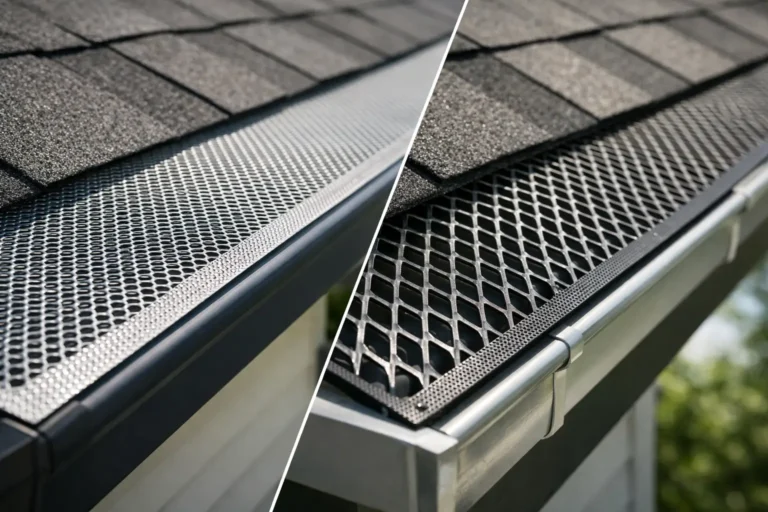
For customers looking for a longer-term solution, this is often the point where gutter guard becomes worth considering. If a property repeatedly collects leaf litter, cleaning alone may solve the immediate problem but not the ongoing maintenance cycle. A well-installed aluminium mesh system can help reduce future blockages while making gutter maintenance more manageable.
What to do when you spot the warning signs
If you have noticed overflow, plant growth, sagging, wall staining or visible debris, it is best not to wait for the next major storm to confirm the problem. Gutter issues tend to show themselves at the worst time – during heavy rain, when water is already where you do not want it.
The safest next step is to arrange a professional inspection and clean, especially if the property is multi-storey, heavily treed or has had previous water issues. For owners who are tired of repeat call-outs, it may also be worth asking whether gutter guard is suitable for the roof design and surrounding environment.
At DX Gutter Guard, the focus is not just on clearing the immediate blockage. It is on helping property owners protect their roofline properly, reduce maintenance pressure and avoid preventable damage with work that is done safely and thoroughly.
A blocked gutter rarely stays a small issue for long. If your roofline is showing even one of these signs, acting early is the easiest way to protect the property, avoid bigger repair costs and keep rainwater flowing where it should.