When gutters keep blocking up after every bit of wind, the question usually becomes simple: mesh guards vs foam inserts – which one will actually keep the water flowing and cut down the mess? For Sydney homes and commercial properties, that choice matters more than it might seem. The wrong product can leave you paying for repeat cleaning, hidden build-up and preventable water damage.
Mesh guards vs foam inserts: the real difference
At a basic level, both products are designed to stop debris from filling your gutters. But they do it in very different ways.
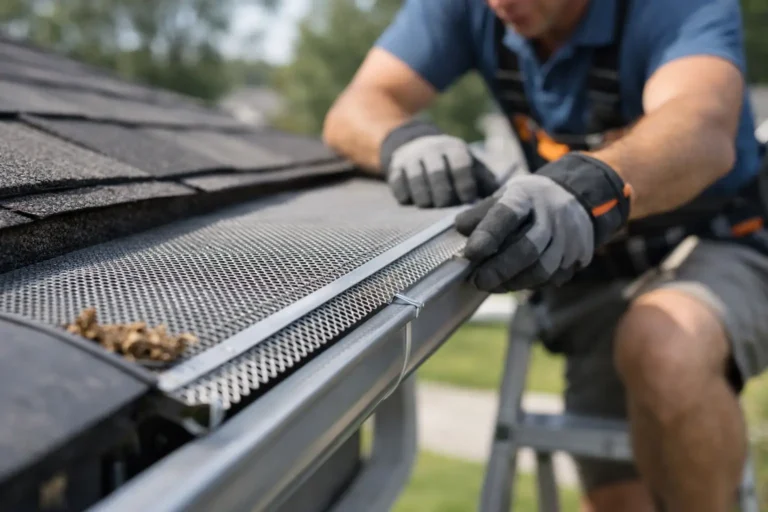
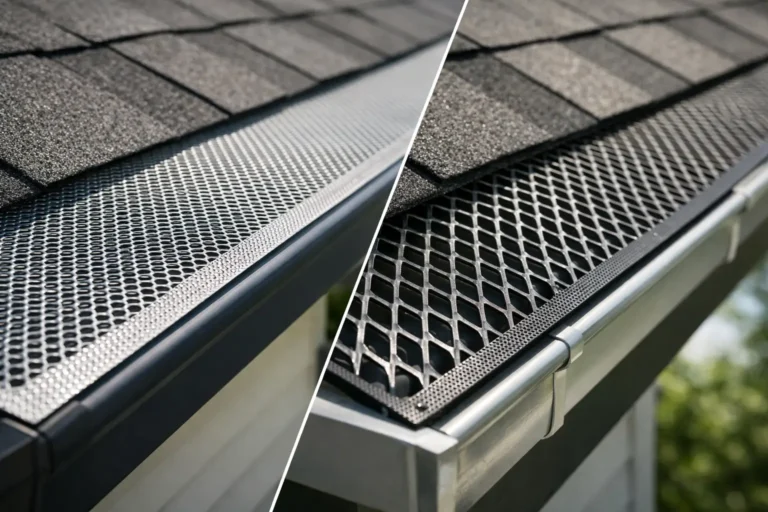
Mesh gutter guards sit over the gutter and act as a barrier. Rainwater passes through the openings while leaves, twigs and larger debris stay on top, where wind can often blow them away or where they can be removed more easily during maintenance.
Foam inserts sit inside the gutter itself. They fill the gutter channel with porous foam, allowing water to soak through while aiming to block leaves and debris from settling in the space.
That difference in placement is what shapes performance. One protects the gutter from above. The other occupies the gutter from within. In real-world conditions, especially in leafy Sydney suburbs, that distinction affects lifespan, cleaning requirements and how well the system handles heavy debris and rainfall.
Why mesh guards suit Sydney conditions better
Sydney roofs deal with more than a few scattered leaves. Many properties sit under gum trees, jacarandas, bottlebrush or pines, and gutters can cop a constant mix of leaf litter, bark, seed pods and fine debris. Add storm season into the picture and gutter protection needs to do more than look tidy on day one.
Mesh guards are generally better suited to those conditions because they stop larger debris before it enters the gutter cavity. That means the gutter can keep its full water-carrying capacity underneath the guard. In a proper installation, water still flows through while the rubbish stays out.
Foam inserts can work in lighter conditions, but they tend to struggle more when debris is heavy, wet or fine. Leaves may sit on top of the foam and break down over time. Seeds, grit and sludge can also settle into the material. Once that happens, water flow can slow and maintenance becomes less straightforward than many property owners expect.
For bushfire-prone areas or homes concerned about ember exposure, metal mesh also offers a clear advantage over foam-based materials. Foam products are not the same as a durable aluminium mesh system installed for long-term external protection.
Durability matters more than the upfront price
A lot of gutter protection decisions start with cost, and that is understandable. But the better question is what the system will cost you over time.
Foam inserts can appear cheaper at the start. They are often marketed as a quick fix and may seem attractive for owners trying to reduce immediate spend. The trade-off is that foam sits in a harsh environment – exposed to moisture, trapped debris, heat and constant weather changes. Over time, that can affect how the material performs. If the insert deteriorates, clogs or shifts, the gutter is no longer properly protected.
Mesh guards, especially premium aluminium systems, are built for a more permanent role. When professionally fitted to suit the roof profile and gutter type, they offer stronger long-term value because they are designed to stay in place, handle weather exposure and keep the gutter system functional for years rather than months.
That does not mean mesh is maintenance-free. No honest installer should promise that. But it does mean the protection system is working with the roof and gutter layout instead of acting as a filler inside it.
Maintenance is where the difference becomes obvious
Most people looking at gutter guards want less cleaning, fewer callouts and less risk of blocked downpipes. That is where mesh and foam often separate quickly.
With mesh guards, debris usually collects on top and is more visible. That makes it easier to inspect and easier to manage during routine roof maintenance. On many properties, natural airflow helps move lighter leaf litter away before it becomes a problem.
With foam inserts, debris can become trapped against or within the foam. Because the material sits inside the gutter, it can hide build-up rather than prevent it completely. From the ground, the gutter may look protected while organic matter is slowly collecting and breaking down on top of the insert or around its edges.
That hidden build-up is one reason some owners are disappointed after installation. The product may reduce large leaf accumulation at first, but if it holds moisture and collects fine debris, it can create another kind of maintenance issue. Instead of clearing an open gutter, you may end up dealing with clogged foam that needs to be removed and replaced.
Water flow during heavy rain
Sydney storms do not always arrive gently. When rainfall is heavy, gutter protection has to keep up without forcing water to overshoot the gutter edge or pool where it should be draining.
A well-installed mesh guard allows water to pass through multiple entry points across the guard surface. The exact performance depends on the mesh design, roof pitch and installation quality, but the system is intended to maintain the gutter’s drainage function while screening out debris.
Foam inserts depend on water filtering through the foam material itself. If the insert is clean, that may be fine in moderate rain. If it is loaded with debris, dust or decomposed leaf matter, water movement can be restricted. During intense rainfall, that restriction can become a real issue.
This is why product choice should never be separated from site conditions. A small, sheltered roof with minimal debris exposure may cope with a basic solution for a while. A larger home under tree cover or a commercial building with significant roof area usually needs something more dependable.
Installation quality still decides the result
Even the better product can underperform if it is poorly installed. Mesh guards need to be fitted properly to the roofline, secured correctly and matched to the property. Gaps, loose sections or rushed work can undermine the whole system.
That is also where specialist service matters. A professional installer will not just attach a guard and leave. The roof and gutters should be cleaned first, existing issues identified and the system installed with attention to fall, drainage and long-term access for maintenance.
For property owners, this is often the difference between buying a product and getting a solution. A specialised team such as DX Gutter Guard focuses on the whole outcome – cleaner gutters, reduced blockage risk, better protection and visible workmanship you can trust.
Which option is right for your property?
If you are comparing mesh guards vs foam inserts for a short-term budget fix, foam may look tempting. But for most Sydney properties, especially those dealing with regular leaf drop, storm debris or ember concerns, mesh guards are the stronger long-term choice.
They are generally more durable, better suited to visible maintenance, more appropriate for heavy debris environments and less likely to turn the gutter itself into a collection point. Foam inserts may suit limited scenarios, but they are harder to recommend where long-term performance and reliability matter most.
That is particularly true for homeowners and property managers who want to avoid the cycle of repeated cleaning and reactive repairs. Gutter protection should reduce ongoing headaches, not replace one kind of blockage with another.
The better question to ask before you choose
Rather than asking which product is cheapest, ask which system will still be doing its job after years of weather, leaf fall and seasonal clean-ups. Ask whether the product keeps debris out of the gutter or simply sits inside it. Ask how easy it will be to inspect, maintain and rely on during the next major downpour.
Those questions usually lead to a clearer answer than the brochure does. For most properties that need serious gutter protection, professionally installed aluminium mesh is the more dependable investment.
If your gutters are already filling with leaves, overflowing in storms or creating a fire risk around the roofline, it is worth choosing a system built for lasting protection rather than a quick patch. The right guard should give you fewer surprises when the weather turns and a lot more confidence in the condition of your property.