A single storm can turn an unprotected gutter into a wet mix of leaves, twigs, roof grit and standing water. For Sydney homes surrounded by trees, gutter guards are a practical way to reduce that buildup before it creates overflowing gutters, stained walls, damp ceilings or costly water damage.
They are not a licence to forget about your roof altogether. The right system, professionally fitted to a clean and sound gutter, can dramatically reduce maintenance and make it easier to manage debris over the long term. The wrong product or a rushed installation can simply hide a problem until the next heavy downpour exposes it.
Why gutter guards make sense for Sydney properties
Sydney weather puts roofs and gutters under regular pressure. Leaf fall can be constant in established suburbs, then summer storms arrive and push loose debris into every valley and downpipe. In bushfire-prone areas, dry leaves and bark caught around the roofline can also add to ember-related risk.
A quality gutter guard works as a barrier over the gutter opening. Rainwater passes through the mesh while most leaves, twigs and larger debris stay on top, where wind and rain can move them away or where they can be removed more safely during scheduled maintenance. This helps water reach the downpipes instead of spilling over the gutter edge.
The benefit is not only fewer gutter cleans. Clearer gutters help protect fascia boards, eaves, external walls, foundations and landscaping from repeated overflow. For property managers and commercial owners, reducing unexpected blockages can also mean fewer urgent maintenance call-outs after bad weather.
There is an important distinction here: gutter protection reduces debris entering the gutter. It does not fix undersized gutters, poor roof drainage, damaged downpipes or existing leaks. A proper inspection before installation is what separates a lasting result from a cover placed over an unresolved issue.
Not all gutter guard systems perform the same
Gutter guards are available in several materials and designs, including foam inserts, bristle products, plastic screens and metal mesh. Each has a place, but the best choice depends on the roof profile, surrounding vegetation, gutter condition and the volume of water the roof needs to handle.
Foam and bristle inserts can appear convenient, but they sit inside the gutter where fine debris may collect around them. Plastic products can become brittle under prolonged sun exposure. Coarser screens may stop larger leaves but still allow smaller material into the gutter and downpipes.
For many Sydney homes, premium aluminium mesh is a stronger long-term option. It is lightweight, corrosion resistant and designed to sit securely across the gutter line without filling the gutter itself. Fine mesh can prevent smaller leaf matter from entering while still allowing water to flow through the system when it is correctly matched to the roof and professionally installed.
Mesh is not identical across every job. The angle of the roof, tile or metal roofing profile, valley locations, overhanging branches and exposure to wind-driven rain all affect how a guard should be fitted. A system that works well on a low-set metal roof may require a different fixing approach on a steep tiled roof or a commercial building with box gutters.
Preparation matters as much as the product
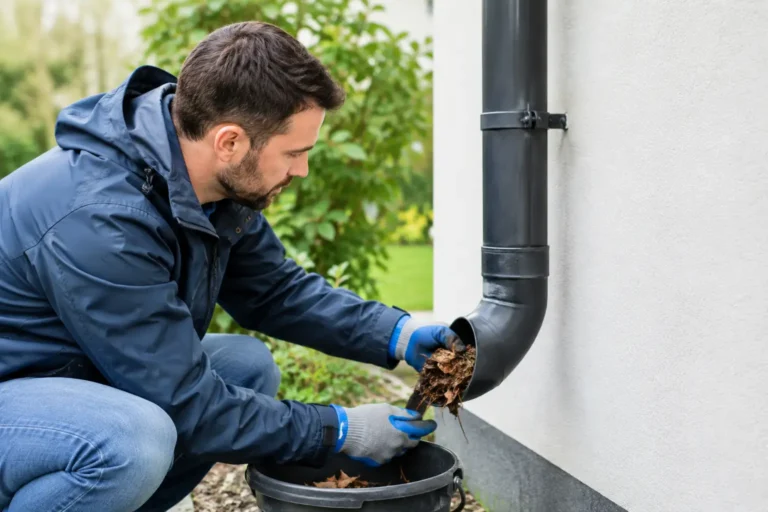
Installing a guard over dirty gutters is a poor shortcut. Existing leaf matter can break down into sludge, block outlets and hold moisture against the gutter long after the mesh is in place. Any installation should begin with clearing the roof, gutters and downpipes, then checking for issues that need attention.
A thorough preparation process looks at more than visible leaves. It should include roof valleys, corners, gutter outlets and downpipe entry points, where debris often builds up first. Loose gutter brackets, rusted sections, cracked tiles and damaged roof areas should be identified before work proceeds.
This is also the right time to assess access and safety. Working at height without the right equipment is risky, particularly on wet roofs, steep pitches or multi-storey properties. Professional installers use appropriate safety methods and can complete the work without homeowners needing to climb ladders or walk on their roof.
At DX Gutter Guard, the focus is on cleaning and preparing the roofline before the guard system is fitted, then leaving the site tidy and providing clear evidence of the completed work. Before-and-after roof photos give customers a practical view of what has been removed and how the finished installation looks.
What gutter guards can and cannot do
The strongest reason to install gutter protection is prevention. It reduces the amount of organic material that can sit in gutters, helping water move through the drainage system when it is needed most. It can also reduce the frequency of cleaning, especially on properties beneath gum trees, jacarandas, pines or dense neighbouring foliage.
However, no guard system is completely maintenance-free. Fine dust, pollen, seeds and roof grit can settle on top of mesh over time. Branches can land across a roof in a storm. If trees hang directly over the roof, regular pruning remains a sensible part of property maintenance.
Most protected roofs still benefit from periodic inspections. The right interval depends on the property. A home in a leafy suburb may need a seasonal check, while a more open property may need less frequent attention. After severe weather, it is wise to inspect the roofline, check that downpipes are flowing and arrange professional help if there is any sign of overflow.
For bushfire-prone locations, gutter guards can help reduce the accumulation of dry debris in gutters, but they should form part of a wider property-preparation plan. Roof valleys, leaf-filled areas behind chimneys and vegetation close to the home still need attention. Homeowners should also consider local requirements and advice for their specific area.
Signs your property may need gutter protection
Overflow during rain is the clearest warning sign, but it is not the only one. Water marks beneath gutters, peeling paint around eaves, moss near drainage points and repeated downpipe blockages can all suggest debris is stopping water from draining as it should.
You may also be a good candidate for gutter guards if gutter cleaning has become a frequent chore, access is difficult, or you own a rental, strata or commercial property where blocked gutters can go unnoticed. The more difficult it is to safely inspect the roof, the more value there is in reducing the debris load in the first place.
Properties with solar panels deserve particular care. Leaves and roof debris can gather around panel edges and nearby valleys, where they are harder to see from the ground. A guard installation should be planned around the whole roof drainage path, not treated as a quick fix at the gutter edge.
Choosing an installer with care
A low price can be tempting, particularly when the work is out of sight. Yet gutter guard installation depends on sound materials, correct fixing methods and careful preparation. Poorly secured mesh may lift in wind, create gaps for debris or interfere with water flow. An installer should explain what system they recommend and why it suits your roof.
Ask whether the quote includes roof and gutter cleaning, downpipe checks, removal of rubbish and a final inspection. It is also worth asking about workmanship cover and how the team will manage safety and access. These details show whether the job is being treated as a complete protection service rather than a quick add-on.
A durable aluminium mesh system backed by a 20-year workmanship guarantee gives homeowners greater confidence that the installation is intended to last. The guarantee is most meaningful when it is supported by a local specialist who can inspect the property properly and stand behind the work.
A cleaner roofline starts before the next storm
Gutter guards are most worthwhile when they are installed before repeated blockages become water damage. If your gutters fill quickly, your roof is difficult to access or nearby trees constantly drop debris, a professional assessment can identify the right protection system and any maintenance issues that should be addressed first.
A well-prepared, properly fitted guard system does more than keep leaves out of sight. It helps protect the parts of your property that depend on clear, controlled drainage every time the rain arrives.