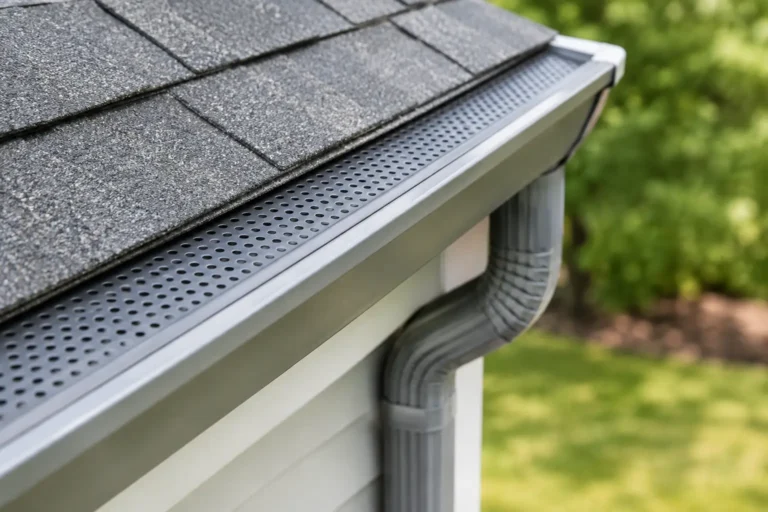
Water should leave your roof quickly, quietly and in the right direction. If it pours over gutter edges, runs down walls, pools near the building or appears inside after rain, it is time to assess roof drainage problems before a small maintenance issue becomes expensive property damage.
For Sydney homes and commercial properties, drainage faults often show up after a heavy downpour, but the cause may have been building for months. Leaf litter, roof debris, blocked downpipes and poorly directed stormwater can all place unnecessary pressure on your roofline, gutters and foundations.
Start with the signs you can see from ground level
You do not need to climb onto a roof to notice that something is wrong. In fact, inspecting from the ground is the safest place to begin. Walk around the property after steady rain, keeping clear of slippery surfaces and any water near electrical fittings.
Look at how water behaves at the gutter line. Water spilling over the front of a gutter usually points to a blockage, while water running behind the gutter can indicate a loose bracket, incorrect gutter fall or a drainage channel blocked by debris. Both can soak fascia boards and exterior walls over time.
Pay attention to the ground below downpipes as well. A downpipe that discharges too close to the house can leave saturated soil against the footings. Water pooling near patios, paths, garages or entry points may also be a sign that the stormwater system is not carrying water away effectively.
Other visible warning signs include staining on exterior walls, peeling paint, rust marks, mould growth, sagging gutters and splashback on windows. These signs do not always mean the roof is leaking, but they do show that water is not being controlled as it should be.
Assess roof drainage problems after rain, not just before it
A dry-day inspection can reveal leaf buildup and damaged components, but rain shows the system under pressure. The best time to assess roof drainage problems is during or shortly after moderate rain, provided you can do so safely from the ground.
Watch whether water enters every downpipe. If one gutter section overflows while another downpipe remains dry, there may be a blockage at the outlet or inside the pipe. If water backs up at a valley, the valley may be carrying more debris than the gutters can handle, or its flow may be restricted.
Do not assume a gutter that looks clear from below is functioning properly. Fine leaf matter, roof grit, nesting material and decomposing debris can form a dense blockage around downpipe outlets. In leafy Sydney suburbs, this is particularly common after wind, storms and seasonal leaf drop.
If water only overflows in very heavy rain, the issue may be capacity rather than a complete blockage. Some roofs collect a large volume of water quickly, especially where several roof planes feed into one valley or gutter run. A professional inspection can determine whether cleaning, repairs, additional drainage capacity or gutter protection is the right solution.
Check the areas where drainage problems begin
Most roof drainage faults start where debris collects or water changes direction. Gutters, valleys, downpipe outlets, roof penetrations and low points all deserve attention.
Gutters and downpipe outlets
Gutters need a clear path to the downpipe and the correct fall to move water along the run. When brackets loosen or sections sag, water can sit in the gutter instead of draining away. Standing water encourages rust, adds weight to the gutter and allows debris to build up faster.
Downpipe outlets are one of the most common blockage points. Leaves may sit over the opening like a lid, while smaller debris washes inside and compacts further down. If water is overflowing from a gutter, avoid trying to force a blockage through with a hose from ground level. This can push debris deeper into the system or create a sudden release of dirty water.
Roof valleys and low points
Valleys channel water from two roof sections into the gutter. They are effective when clear, but they also collect leaves, twigs and fine debris. A blocked valley can cause water to spread sideways beneath roof coverings, creating a leak risk that is not always obvious until ceiling stains appear.
Low-pitched roof areas require particular care because water moves more slowly. Even a modest buildup of debris can interrupt drainage and hold moisture against roofing materials. Flat or low-slope commercial roofs may have box gutters, sumps or internal drainage points that need specialist attention, as their failure can lead to rapid water ponding.
Flashings, penetrations and roof edges
Water does not always enter a building through a cracked tile or sheet. It can track beneath loose flashing around chimneys, skylights, vents and roof-to-wall junctions when drainage is restricted. Check for stains in ceilings, wet insulation, bubbling paint or musty smells inside the building, particularly after rain.
These symptoms should be investigated promptly. A leak may be caused by drainage backup rather than a major roof failure, but repeated water exposure can damage timber, insulation and internal finishes.
Consider the condition of the whole drainage path
A roof drainage system does not end at the gutter. For water to be managed properly, it must move from the roof to the gutter, through the downpipe, into the stormwater line and away from the property.
Check whether downpipes are securely connected and whether their outlets are clear. If a downpipe discharges onto paving, garden beds or bare soil, look for erosion and pooling. Extension pipes, drainage grates and stormwater connections may need attention if water is being directed back towards the building.
It also pays to consider nearby trees. Overhanging branches drop leaves and twigs directly onto the roof, while branches close to the roofline can scrape roofing materials during high winds. Trimming back suitable growth can reduce the volume of debris reaching gutters, although it will not remove the need for proper cleaning and protection.
Know when a drainage issue needs professional help
Some checks are safe from ground level, but roof and gutter work is not a casual weekend job. Wet roofs, unstable ladders, hidden soft spots and overhead powerlines all create serious risks. For multi-storey homes, steep roofs, commercial sites and properties with difficult access, professional assessment is the sensible option.
Arrange help promptly if you notice recurring overflow, internal water stains, sagging gutters, rusted sections, damaged fascia, blocked downpipes or significant roof debris. The same applies if water is pooling around the building after rain or if gutters fill quickly again after cleaning.
A thorough service should identify the cause rather than simply remove what is visible. That means checking roof valleys and gutter runs, clearing outlets and downpipes where required, inspecting the condition of drainage components, and confirming water can flow away from the property. Before-and-after photos are also valuable, giving you clear evidence of what was found and completed.
For properties surrounded by trees, gutter protection can reduce the cycle of repeated blockages. Premium aluminium mesh gutter guard systems help keep larger leaves and debris out while allowing water to enter the gutter. They are not a substitute for correct gutter fall, sound downpipes or occasional maintenance, but when installed properly on a clean, prepared roofline, they can substantially reduce ongoing debris buildup.
Protect your property before the next storm
Roof drainage problems rarely improve on their own. A gutter that overflows once may do so again during the next storm, and each event can add moisture where it does not belong. Acting early is usually less disruptive and less costly than waiting for a ceiling leak, damaged wall or flooded entry.
DX Gutter Guard helps Sydney property owners clean, assess and protect roof drainage systems with professional workmanship, careful site cleanup and long-term gutter guard solutions. If your gutters are overflowing, your roof is collecting debris or you are unsure where stormwater is going, arranging a professional inspection can bring clarity before the next stretch of wet weather.