A gutter protection system review should start where the real problem starts: on the roof. If leaves, seed pods, bark and storm debris are regularly collecting in your gutters, a guard can reduce cleaning demands and help protect your property from overflow. But not every product suits every roof, and the quality of installation matters just as much as the material itself.
For Sydney homeowners and property managers, the right system needs to handle more than a few autumn leaves. It must cope with gum debris, heavy downpours, wind-blown rubbish, varied roof profiles and, in some areas, increased concern around dry fuel loads and embers. A properly chosen and professionally fitted guard is a practical form of property protection, not simply an add-on.
Gutter Protection System Review: What Matters Most
The strongest gutter protection systems aim to stop larger debris from entering the gutter while allowing rainwater to drain through effectively. That sounds straightforward, but performance depends on the mesh opening, the way the guard is secured, the roof pitch, gutter condition and the type of trees surrounding the building.
Premium aluminium mesh is often a sensible choice for Sydney properties because it is lightweight, corrosion-resistant and durable when installed correctly. A fine mesh can block leaves, twigs and many small particles that would otherwise build up in gutters and downpipes. It also avoids the brittle, temporary feel of cheaper plastic guards, which may crack, warp or lift after prolonged exposure to sun and weather.
That said, no gutter guard should be sold as a promise that maintenance will never be needed again. Fine dust, pollen and very small organic material can settle on top of any guard, particularly beneath dense tree cover. The key benefit is reducing the amount of debris that enters the gutter itself, making future maintenance safer, less frequent and more manageable.
A good review looks beyond marketing claims and asks a more useful question: will this system suit the property’s actual conditions? A home beneath large gum trees has different needs from a commercial building with a broad metal roof and minimal nearby vegetation. The guard should be matched to the site, not selected from a one-size-fits-all catalogue.
Why Professional Installation Changes the Result
Even high-quality mesh can underperform when fitted over full gutters, loose roofing, damaged valleys or blocked downpipes. Installing guards without cleaning and preparing the roof first simply seals existing debris into the system. Water still has nowhere to go, and the owner may not discover the issue until overflow appears during heavy rain.
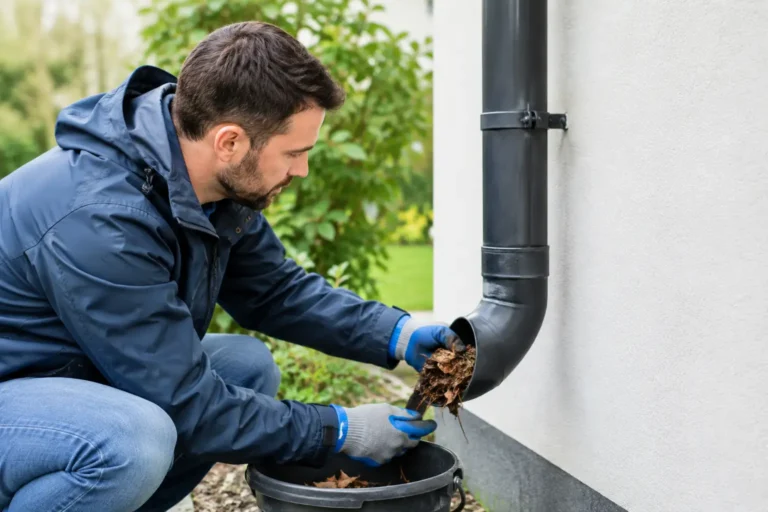
Professional installation begins with a close inspection. Gutters, roof valleys and downpipes should be cleared, and any obvious concerns such as sagging gutters, loose fixtures or damaged roof sections should be identified before the guard is installed. This preparation gives the system a clean starting point and helps ensure rainwater can flow as intended.
Fixing methods matter too. Guards need to sit securely against the roofline and gutter edge without creating gaps where debris can enter or wind can lift the material. Poorly secured products can rattle, shift or pull away over time. They may also interfere with water flow if they are not shaped to suit the roof and gutter profile.
An experienced installer will account for roof access, tile or metal roofing, valleys, skylights, solar panels and difficult sections around awnings. These details are where general handyman work can fall short. Gutter protection is specialised work carried out at height, and careful fitting makes a visible difference to the finish and the system’s reliability.
Aluminium Mesh Compared With Other Guard Types
There is no single guard style that wins in every situation. However, understanding the common options makes it easier to identify what you are paying for.
Brush-style inserts are inexpensive and easy to place in a gutter, but debris often collects in the bristles. They can become a maintenance task in their own right and may not be ideal for properties with heavy leaf fall.
Foam inserts are another low-cost option. While they initially block larger leaves, they can hold moisture and trap fine debris. In damp or shaded areas, this may lead to organic build-up that is difficult to inspect from the ground.
Plastic clip-on guards can be suitable for limited applications, but long-term sun exposure is a real consideration in Australia. Plastic may become brittle over time, and the fit is not always secure enough for exposed or wind-prone sites.
Aluminium mesh systems generally offer a more durable, tailored solution when they are professionally installed. The mesh provides a physical barrier over the gutter, while its profile can be adapted to the roofline. This makes it especially useful for homes in leafy suburbs, where regular gutter cleaning has become an ongoing frustration.
The trade-off is that quality mesh installation costs more than a DIY insert or basic plastic guard. For many property owners, that cost is justified by stronger materials, safer installation, reduced debris inside the gutter and a system designed around the building rather than a quick fix.
Rainfall, Leaf Load and Fire Risk in Sydney
Sydney weather can be unforgiving on neglected gutters. A dry stretch allows debris to build up, then a sudden downpour pushes water over blocked gutter edges and toward eaves, walls and footings. Repeated overflow can contribute to staining, damp issues and avoidable damage around the property.
Leafy streets create a particular challenge. Gum leaves are long, narrow and persistent, while small twigs, flowers and bark can gather in roof valleys before being washed into the gutter. A guard helps prevent this material from settling inside, but nearby trees will still leave debris on the roof surface. Periodic roof and guard cleaning remains worthwhile, especially before storm season.
For properties near bushland or in areas exposed to ember attack, reducing dry debris in gutters is also a sensible part of broader property maintenance. Gutter guards are not a substitute for a full bushfire preparation plan or a guarantee of fire safety. They can, however, reduce one common location where leaves and debris accumulate. The most suitable mesh and installation approach should reflect the individual property and local risk conditions.
Signs Your Property Is Ready for Gutter Guards
A protection system is usually worth considering when gutter cleaning is needed more often than feels reasonable, when trees overhang the roof, or when blocked downpipes have caused past overflow. It can also make sense for properties where safe roof access is difficult, including multi-storey homes and commercial sites.
Look closely at the pattern, not just the last blockage. If your gutters fill after every windy week, if water spills over during heavy rain, or if you can see vegetation growing from the gutter line, the issue is unlikely to disappear on its own. Cleaning solves the immediate blockage. A well-installed guard helps address why it keeps returning.
Before approving any work, ask whether cleaning and downpipe clearing are included, what material will be used, how the system will be secured and whether the installer provides workmanship protection. Clear before-and-after roof photos are also valuable. They show that the work has been completed thoroughly and give you confidence in the condition of areas that are otherwise hard to inspect.
What Ongoing Maintenance Should Look Like
Gutter guards reduce maintenance, but they do not remove the need to care for a roof. Most properties benefit from a periodic visual check, particularly after major storms and during seasons of heavy leaf drop. From ground level, look for water spilling over gutters, debris gathering along roof edges, sagging sections or plants appearing near downpipe outlets.
The frequency of professional cleaning depends on tree cover, roof design and local weather. A house with minimal vegetation may need very little attention, while a heavily treed property may require seasonal servicing. This is not a failure of the system. It is the reality of keeping an exterior surface exposed to leaves, dust and weather in good condition.
DX Gutter Guard approaches the job as a complete protection service: thorough cleaning and preparation first, premium aluminium mesh installation, careful site cleanup and visible proof of the finished work. A 20-year workmanship guarantee gives customers added confidence that the installation has been completed with long-term performance in mind.
The best time to assess gutter protection is before the next blocked gutter turns into an urgent call-out. Choose a system that fits your roof, have it installed by specialists who prepare the area properly, and keep a sensible maintenance plan in place. That is how a gutter guard becomes reliable protection for your property, rather than another job waiting on the roof.