A roof can look tidy from the driveway while its valleys, gutters and downpipes are carrying a heavy load of leaves, sludge and organic growth. When comparing roof cleaning vs roof washing, the right choice comes down to what is on the roof, the roofing material, and what needs protecting below it. For Sydney property owners, that difference matters after storms, through leaf fall, and before bushfire season.
Roof cleaning is usually the broader maintenance service. It focuses on removing built-up debris and clearing the roof drainage system so rainwater can move where it should. Roof washing is more specifically about washing away surface grime, staining, moss, lichen or algae using a method suited to the roof.
Both services can be valuable. Neither should be treated as a quick hose-down from a ladder.
Roof cleaning vs roof washing: the key difference
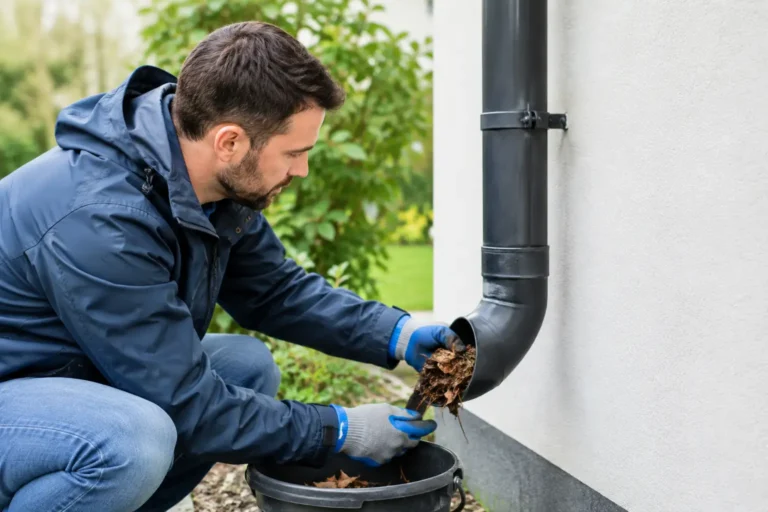
Roof cleaning is primarily about function and prevention. A professional team removes leaves, twigs, dirt and compacted material from roof valleys, gutters, box gutters, downpipes and around roof penetrations. The aim is to reduce blockages, prevent water overflow and remove fuel loads that can become a concern in fire-prone areas.
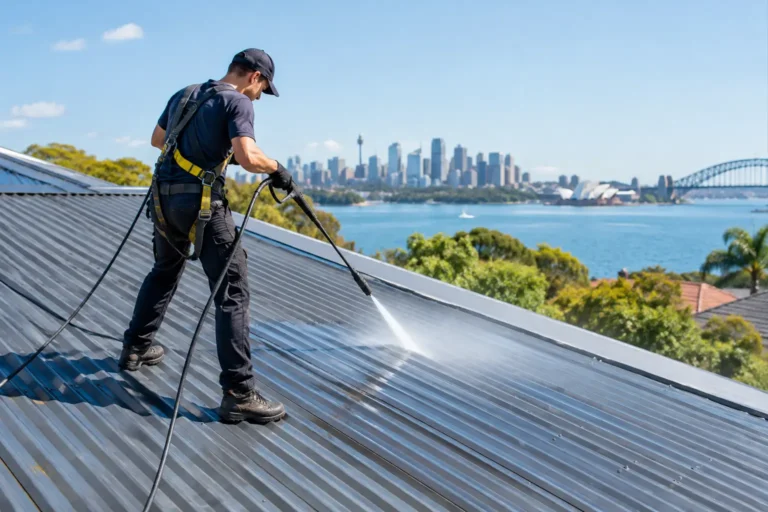
Roof washing is primarily about the roof surface itself. It may involve a controlled low-pressure wash or an appropriate treatment to address mould, algae, lichen, pollution residue and persistent staining. The goal is to improve the roof’s condition and appearance without causing damage to tiles, metal sheeting, pointing, paint finishes or surrounding landscaping.
The two services often overlap. For example, there is little value in washing roof tiles if the gutters are still full of debris that will wash straight into downpipes. Likewise, a debris clean may reveal lichen or staining that needs a separate, carefully selected treatment.
When your property needs roof cleaning
A roof clean is generally the first priority when debris is visible in gutters or valleys, trees overhang the building, or water has been spilling over gutter edges during rain. It is also the sensible starting point before gutter guard installation. Guards work best when the roofline, gutters and downpipes are properly cleaned and checked first.
Sydney homes in leafy suburbs can collect a surprising amount of material between maintenance visits. Dry leaves, bark, seed pods and fine dirt settle in corners and form a dense layer after repeated rain. Once wet, that material can hold moisture against roofing components and stop water from draining freely.
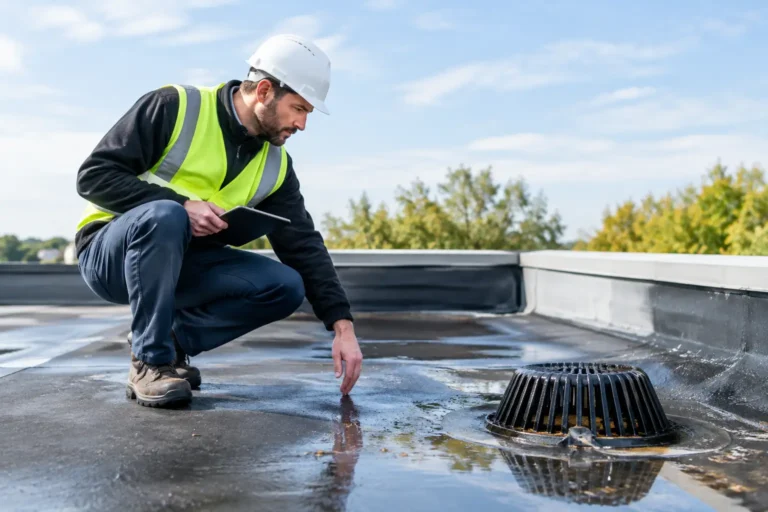
Commercial properties face similar issues, particularly warehouses, strata buildings and low-pitch roofs with box gutters. A small outlet blockage on a large roof can quickly become a major overflow problem. Regular cleaning is practical maintenance, not just a cosmetic job.
A thorough roof cleaning service should address the areas that cause trouble, rather than simply clearing the most visible sections. That includes valleys, gutters, accessible downpipes and the debris that gathers behind chimneys, solar panels, skylights and roof-mounted equipment where applicable.
Cleaning protects more than the gutter line
Blocked gutters are often the first sign of a wider drainage issue. Water that cannot enter a downpipe may overflow into eaves, run down external walls or pool near the building. Over time, this can contribute to staining, timber deterioration, moisture problems and costly repairs.
Removing dry organic debris also reduces a common bushfire risk. No maintenance service can make a property fireproof, but clearing leaves and twigs from roof gutters and valleys is a sensible part of preparing a property exposed to ember attack.
When roof washing is the better service
Roof washing is worth considering when the roof is affected by widespread grime, mould, algae, moss or lichen. These issues can make a roof look neglected, but appearance is not the only concern. Moss and lichen hold moisture, while heavy organic growth can interfere with the way water sheds across the roof surface.
Not every dark mark needs aggressive washing. Shaded roofs, damp sections and areas beneath overhanging trees can develop staining that may be treated more safely than it can be blasted away. The method should be matched to the condition of the roof, not selected because it is the fastest option.
For tiled roofs, high pressure used incorrectly can dislodge pointing, disturb tiles and force water where it does not belong. On metal roofs, excessive pressure or unsuitable products can affect coatings, seals and flashings. Older roofs can be even less forgiving. A professional assessment should come before any cleaning method is chosen.
If the roof has cracked tiles, loose ridge capping, corroded metal, damaged flashing or a suspected leak, repairs may need to be handled first. Washing over existing defects can make the situation worse and can hide the real cause of water entry.
A cleaner-looking roof is not always a healthier roof
Some properties need a wash for presentation, especially before a sale, lease inspection or major exterior improvement. That can be a worthwhile investment, provided the work is done safely and the drainage system is cleared afterwards.
However, a roof that looks clean can still have blocked downpipes and concealed gutter debris. Conversely, a roof with light surface staining may be draining perfectly well. The best service is based on the property’s actual risks, not just what is visible from the street.
Why pressure is not a one-size-fits-all answer
Many people use the term roof washing to mean pressure cleaning. In practice, pressure is only one possible tool, and it is not appropriate for every roof. The correct approach depends on roof type, pitch, age, surface condition, the type of contamination and nearby drainage.
A careful service may combine manual debris removal, controlled rinsing, treatment of biological growth and flushing of gutters and downpipes. It should also consider where runoff will go. Dirty water, leaf matter and treatment residue should not be pushed into already blocked drainage or left across paths, gardens and outdoor areas.
The workmanship behind the service matters as much as the equipment. Roof access involves real safety risks, particularly on steep, wet or fragile roofs. Professionals should work methodically, protect the property, avoid unnecessary foot traffic on tiles and leave the site clean when the job is complete.
What to expect from a professional roof service
Before work begins, a good provider will assess the roof condition, access requirements and the volume of debris. They should explain whether your property needs cleaning, washing, or both, rather than selling a surface wash when the urgent issue is a blocked gutter system.
During a proper clean, the focus should be on safely removing debris from the roof and gutters, clearing accessible drainage paths and collecting the material rather than spreading it around the property. After washing or treatment, the roof should be checked for areas that need further attention.
Photos are particularly useful for roofs that cannot be easily seen from ground level. Before-and-after images give homeowners and property managers a clear record of the work completed and help identify concerns such as damaged tiles, deteriorated pointing or areas where debris repeatedly accumulates.
For properties with recurring leaf fall, gutter guards can reduce the amount of material entering gutters and make ongoing maintenance more manageable. They are not a reason to ignore roof care altogether. Leaves and fine debris can still settle on top of guards, in roof valleys and around downpipe points, so periodic inspections remain worthwhile.
How often should Sydney roofs be cleaned or washed?
There is no single schedule that suits every property. A home beneath large gum trees may need its roof and gutters checked more often than an exposed newer home with little nearby vegetation. Properties near bushland, schools with mature trees, strata complexes and buildings with flat or low-pitch sections deserve closer attention.
As a practical guide, inspect the roofline and gutters after major storms, during heavy leaf fall and before the warmer, drier fire season. If overflow is visible, downpipes are slow, or debris can be seen from the ground, arrange service promptly rather than waiting for the next scheduled visit.
Roof washing is usually less frequent than roof cleaning. It should be done when surface growth or staining warrants it, and only with a method appropriate for the roof. Washing too often or too aggressively can create unnecessary wear.
Choosing the service that protects your property
If your immediate concern is leaves, overflowing gutters, blocked downpipes or fire-related debris, roof cleaning is likely the priority. If moss, lichen, algae or ingrained staining is affecting the roof surface, roof washing may be appropriate after the roof and drainage system are cleared.
In many cases, the most effective outcome is a tailored combination: remove debris, restore drainage, assess the roof surface and treat only what needs treatment. DX Gutter Guard approaches roof and gutter work with that practical focus, helping Sydney property owners protect the parts of their building that do the hard work when the weather turns.
A well-maintained roof should not have to prove itself during the next downpour. Arrange an inspection while the issue is still manageable, and give your gutters, roof and drainage system the care they need to keep protecting the property below.