A gutter guard should stop wet leaf litter sitting in your gutters, not create another place for moisture to hide. So, do gutter guards cause rust? Properly selected and professionally installed guards do not. In many Sydney homes, they reduce one of the main contributors to gutter corrosion: debris that stays wet after rain.
The concern is still a fair one. Not every guard is made from suitable materials, and not every installation allows water to drain as it should. Rust usually points to an existing gutter issue, trapped organic matter, incompatible metals or poor installation practices – not the simple fact that a gutter guard is in place.
Do gutter guards cause rust in metal gutters?
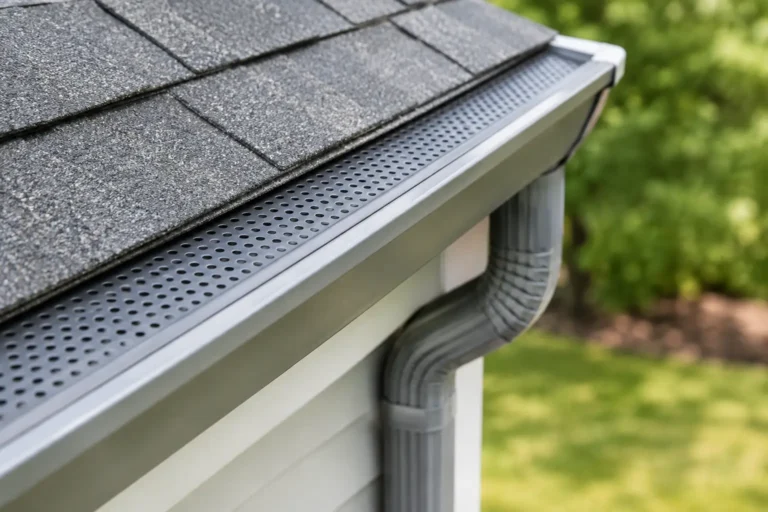
Gutter guards do not inherently cause rust. Quality aluminium mesh guards are corrosion-resistant and are designed to sit over the gutter opening, allowing rainwater through while keeping most leaves, twigs and roof debris out.
Problems can develop when a low-quality product is used, when a guard is installed over gutters already affected by rust, or when debris is allowed to accumulate on top of the mesh for long periods. In these situations, moisture can remain against the gutter edge or roofline. That damp environment can accelerate corrosion in steel gutters whose protective coating has already worn, scratched or failed.
The distinction matters: a guard does not repair a compromised gutter. If rust is present before installation, it needs to be assessed first. Covering it without cleaning, preparing and checking the drainage can leave a maintenance issue unseen until it becomes more costly.
Why gutters rust in the first place
Rust needs moisture and exposed steel. Sydney’s heavy rain, humid spells, salt air in coastal areas and dense tree cover can all create the conditions for it. Gutters that remain full of soggy leaves are especially vulnerable because decomposing debris holds water against the metal and can block outlets.
Painted steel gutters, including common steel guttering products, rely on their protective finish. Age, storm damage, abrasive cleaning, overflowing water and scratches around joins or fixings can expose the metal beneath. Once corrosion begins, regular wetting and drying can make it spread.
Poor drainage is another major factor. Water should move steadily towards the downpipes and clear the gutter after rain. If the gutter has an incorrect fall, a blocked downpipe, loose brackets or settled sections, standing water may remain regardless of whether guards are fitted.
Existing rust needs attention before guard installation
A professional installer should inspect the gutter line before recommending guards. Light surface corrosion may be manageable once the area is cleaned and treated appropriately. Deep pitting, holes, soft sections or failing joins may mean repairs or replacement should come first.
This preparation is not an optional extra. Clean gutters allow the installer to see their true condition, confirm that downpipes are flowing and ensure the guard will perform as intended. It also avoids trapping old leaf matter beneath a new system.
The material and installation details that make the difference
Not all gutter guards perform the same way over time. The best system depends on the roof profile, surrounding trees, gutter condition and exposure to weather. Material compatibility is central to preventing corrosion concerns.
Aluminium mesh does not rust in the way untreated steel does. It is a practical choice for Sydney properties because it is lightweight, durable and suited to wet conditions. However, aluminium can still corrode in harsh environments, particularly where salt exposure is high or where it comes into unsuitable contact with other metals. A quality installation accounts for these factors rather than treating every roof as identical.
Galvanic corrosion is another reason experience matters. This can occur when dissimilar metals remain in electrical contact while moisture is present. The wrong fasteners, careless placement against incompatible roof materials, or an improvised repair can create a corrosion risk. Professional-grade components and correct fixing methods help avoid it.
A well-fitted guard should also maintain water flow. Mesh needs to sit securely along the roof edge and gutter without sagging into the channel or creating pockets that collect debris. It should not interfere with the gutter’s fall, downpipe access or roof drainage paths.
Can debris on top of gutter guards lead to corrosion?
It can, but this is usually a maintenance and site-specific issue rather than a reason to avoid guards altogether. Fine leaves, seed pods, blossoms and roof grit may collect on the top surface, particularly beneath large trees or after a storm. In most cases, wind and rain move this material away. In heavily treed suburbs, some debris can remain and should be removed during routine roof maintenance.
The key benefit is that the debris stays above the gutter rather than packing into it. That makes inspection and clearing more manageable, while helping water reach the downpipes instead of overflowing into fascia boards, walls and garden beds.
No gutter guard makes a roof completely maintenance-free. A system that promises never to need checking is setting the wrong expectation. The practical goal is fewer blockages, less hazardous ladder work, cleaner gutters and a lower chance of wet rubbish sitting inside the gutter system.
Homes that need more frequent checks
Properties under gum trees, jacarandas, pines or dense palms should be inspected more often than an open-site home. The same applies to homes near the coast, where salt-laden air can shorten the life of external metalwork, and to roofs that receive frequent storm debris.
After severe weather, look from the ground for visible build-up, overflowing water, sagging sections or downpipes that are not draining. If anything looks wrong, arrange a professional inspection rather than climbing onto a wet or steep roof yourself.
How professional installation helps protect your property
Good gutter protection starts before the mesh is fitted. At DX Gutter Guard, the job begins with cleaning out leaf litter and roof debris, checking water flow and assessing the condition of the guttering. This helps identify rust, loose brackets, damaged areas and drainage issues that could affect the result.
The system is then fitted to suit the roof and gutter profile, with attention to secure fixing, clean lines and drainage. Quality workmanship matters because a loosely fitted guard can lift in wind, collect debris or create gaps where leaves enter the gutter. A rushed installation can also make future maintenance harder than it needs to be.
After the work, visible roof photos provide confidence that the areas you cannot easily see have been cleaned and protected properly. It is a straightforward way to make sure the condition of your roof and gutters is clear from the start.
Signs your gutter guard system needs a check
If water runs over the front of the gutter during ordinary rain, the issue may be blocked mesh, an obstructed downpipe or incorrect gutter fall. Staining on fascia boards, rust marks beneath gutter joins, dripping long after rain and visible leaf build-up are all worth investigating.
Do not assume the guard itself is to blame. A thorough check should look at the entire drainage system: roof valleys, mesh surface, gutter channel, outlets, downpipes and the condition of the gutter material. Finding the real cause protects against repeat problems and unnecessary replacement work.
A practical approach to rust-free gutter protection
For most Sydney properties, gutter guards are part of the solution to rust risk, not the cause of it. They reduce the wet organic debris that commonly blocks gutters and holds moisture against metal. But the outcome depends on using suitable materials, preparing the gutter correctly, respecting metal compatibility and keeping the roof system checked over time.
If your gutters already show corrosion, have them assessed before installing any guard. If they are sound but constantly filling with leaves, a premium aluminium mesh system can protect the guttering while cutting down the cleaning burden. The right advice is not about selling a one-size-fits-all product – it is about leaving your roofline cleaner, safer and ready for the next heavy Sydney downpour.