Fascia boards do more than create a neat roofline. They support the guttering, close off the edge of the roof and help direct rainwater safely away from your property. When fascia is exposed to overflowing gutters, trapped leaves or ongoing moisture, damage can spread quickly into eaves, roof timbers and walls. The best ways to protect fascia start with keeping water moving where it should and stopping debris from building up in the first place.
For Sydney homes, that matters year-round. Leafy streets, coastal weather, sudden downpours and hot, dry conditions can all place pressure on a roof and gutter system. A little routine attention can prevent expensive repairs, while professional cleaning and quality gutter protection can reduce the need to get up on the roof in the first place.
Why fascia boards become damaged
Fascia sits directly behind the gutter, so it is often the first timber or cladding component affected when a gutter is blocked or poorly positioned. Rainwater should enter the gutter, travel to the downpipes and discharge well away from the building. If leaves, twigs, roof grit or nesting material stop that flow, water can pool and overflow back over the gutter edge.
That repeated overflow soaks the fascia. Painted timber may first show bubbling paint, staining or soft spots. Left untreated, the timber can rot and lose the strength needed to hold the gutter securely. Metal fascia can also suffer from corrosion where water and debris remain trapped against it.
Fascia damage is not always obvious from ground level. By the time a gutter starts sagging, water appears around the eaves or a stain shows on an internal ceiling, the issue may have been developing for some time. Regular checks give you the best chance of dealing with the cause before it becomes a larger repair project.
Best ways to protect fascia before damage starts
Keep gutters and valleys clear
The most direct protection for fascia is a clean, free-flowing gutter. Leaves and debris do not simply sit in one place. During heavy rain, they can shift into downpipe outlets and create a blockage that causes water to spill over the gutter’s back edge, directly onto the fascia.
Roof valleys deserve equal attention. These channels carry a large volume of water during a storm, and they commonly collect leaf litter. When valley debris washes into already partly blocked gutters, the system can become overwhelmed in minutes.
The right cleaning schedule depends on the property. A home beneath large gum trees may need attention several times a year, while a more open property may need less frequent servicing. Do not rely on a fixed calendar alone. After high winds, storms or extended leaf fall, it is worth arranging an inspection.
Install a quality gutter guard system
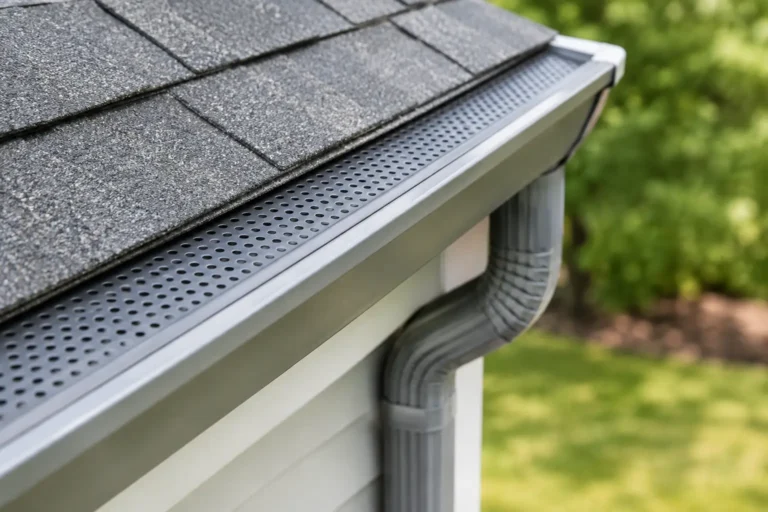
A properly fitted gutter guard is one of the most effective long-term ways to reduce debris buildup and protect fascia. It helps stop leaves, twigs and larger roof debris from entering the gutter while allowing rainwater to pass through. This reduces the likelihood of blockages, overflow and the moisture exposure that leads to fascia deterioration.
Not all gutter guards perform the same way. Loose plastic inserts and poorly secured mesh can lift, trap debris or interfere with water flow. A durable aluminium mesh system, installed to suit the roof profile and gutter type, provides more reliable protection and is built for demanding Australian conditions.
Gutter guards are not a reason to forget about maintenance entirely. Fine debris, roof sediment and leaves can still settle on top of the mesh, especially near overhanging trees. However, the job becomes simpler and less frequent because the bulk of debris is kept out of the gutter itself. For many Sydney properties, that is a worthwhile trade-off between ongoing upkeep and stronger protection.
Make sure gutters are correctly pitched and secured
Even clean gutters can cause problems if they are not correctly installed or have moved over time. Gutters need a gradual fall towards the downpipe so water does not sit in low spots. Standing water keeps fascia wet, adds weight to the gutter and may accelerate rust or timber rot.
Check for gutters that sag, pull away from the fascia or hold water days after rain. These signs can point to worn brackets, loose fixings, inadequate fall or damaged sections of guttering. The longer the problem remains, the greater the risk that water will work behind the gutter and into the fascia board.
A professional inspection can identify whether the fascia itself is sound enough for new fixings. Simply tightening a bracket into rotted timber is not a lasting repair. The affected section may need repair or replacement before the gutter can be safely secured again.
Keep downpipes flowing and direct water away
A clear gutter is only useful if the downpipes can handle the water. Downpipe blockages are a common cause of overflow, particularly where leaf litter collects at outlets or where an underground drainage connection has become restricted.
During rain, look for water backing up near downpipe openings or spilling over the gutter. If it is safe to do so, check that downpipes discharge away from the building and that stormwater grates are not blocked by soil, mulch or garden debris. Water that continually pools at the base of a wall can create separate drainage and foundation concerns.
Where a roof has a large catchment area, additional downpipes or improved drainage may be needed. This is especially relevant for commercial properties and larger homes where a single outlet may not cope during intense Sydney rainfall.
Protecting timber and metal fascia finishes
Paint is more than a cosmetic finish on timber fascia. A sound exterior coating helps seal the board against moisture and sun exposure. Inspect painted fascia at least once a year for cracks, peeling, blistering or exposed timber. Prompt preparation and repainting can extend the life of the boards significantly.
If you find soft timber, black staining, mould growth or a gutter that no longer sits firmly against the fascia, arrange an assessment rather than painting over the problem. Surface coatings cannot repair rot underneath. Addressing the water source and replacing damaged material where necessary will give the repair a far better chance of lasting.
For metal fascia, check for corrosion, damaged paint finishes and areas where wet leaves gather. Keeping the gutter line clean remains the priority. Avoid allowing incompatible metals or poorly installed fasteners to create corrosion points, particularly in coastal suburbs where salt air can add to the wear.
Do not overlook trees near the roofline
Trees add shade and character to a property, but branches overhanging the roof can create constant gutter and fascia maintenance. Leaves drop directly into valleys and gutters, branches can scrape roofing during wind, and dense vegetation can keep parts of the roof damp for longer.
Pruning back overhanging branches reduces the amount of debris reaching the gutter system and makes roof inspections easier. It can also lower the risk of branches damaging gutters during storms. For properties in bushfire-prone areas, reducing fine fuel buildup on roofs and in gutters is an additional safety consideration.
Tree work should be carried out safely and in line with local requirements. The aim is not to strip a garden bare, but to create sensible clearance around the roofline and remove the most persistent sources of debris.
Know when professional help is the safer option
Roof and gutter work carries real risks. Wet tiles, steep roof pitches, fragile roofing materials and uneven ground can make a simple cleaning job hazardous. There is also a risk of damaging gutters, flashing or roof tiles when the work is done without the right equipment and experience.
Professional servicing is particularly worthwhile when there are signs of overflow, sagging gutters, damaged fascia, heavy leaf buildup or difficult access. A specialist can clean the roof and gutters, assess the condition of the system and identify problems that may not be visible from the ground. Before-and-after photos also give property owners a clear view of the work completed.
DX Gutter Guard provides gutter cleaning, roof cleaning and professionally installed aluminium mesh gutter guard systems for Sydney properties, helping owners reduce blockages and protect the areas behind their gutters. A well-prepared installation matters as much as the mesh itself, because debris left in the gutter before fitting can still cause trouble later.
A simple routine that protects your roof edge
Protecting fascia does not need to become a constant worry. Watch for overflow during rain, inspect the roofline after storms, keep nearby vegetation managed and arrange cleaning before debris has the chance to compact inside the gutters. If your property regularly collects leaves, a professionally installed gutter guard can make that routine far more manageable.
Your fascia is easiest and least expensive to protect before paint peels, gutters pull loose or water reaches the eaves. Keeping the gutter system clear, secure and suited to your property gives the whole roofline a better chance of handling whatever the next Sydney storm brings.