If you are comparing aluminium mesh versus plastic guards, you are probably not looking for the cheapest thing to clip onto a gutter and hope for the best. You are looking for a guard that keeps water flowing, cuts down gutter cleaning, and stands up to Sydney heat, storms, leaf litter and ember risk.
That comparison matters more than many property owners realise. On paper, both materials promise to keep leaves out. In practice, the difference shows up over time – in sagging sections, cracked edges, blocked valleys, repeated call-outs and whether the system still performs properly after a few rough summers.
Aluminium mesh versus plastic guards: what really changes over time
The main difference is not just the material itself. It is how that material behaves on a real roof, across real seasons, under real debris load.
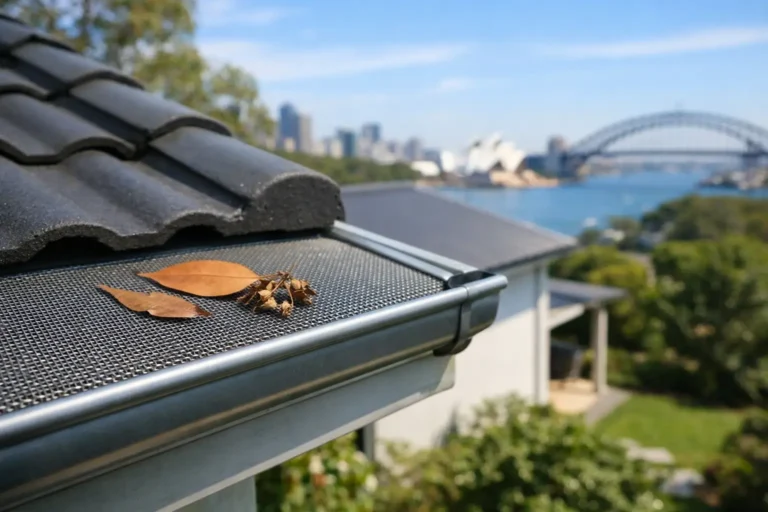
Aluminium mesh is generally chosen for strength, stability and long-term performance. It is designed to sit securely, maintain its shape and keep debris out while still allowing water to enter the gutter system. For homes and commercial properties in leafy parts of Sydney, that consistency matters. Once a guard starts lifting, warping or becoming brittle, debris finds its way in and the whole purpose of the installation starts to unravel.
Plastic guards can look appealing at first because they often come with a lower upfront price. For some short-term applications, that may be enough. But gutters are not an area where short-term thinking usually pays off. A lower-cost guard that needs earlier replacement, more maintenance or repeated patch repairs can end up costing more in the long run.
Why aluminium mesh is usually the stronger choice
A gutter guard has to deal with more than just leaves. It has to handle direct sun, fluctuating temperatures, wind-driven debris, heavy rain and the movement that naturally happens around a roofline.
Aluminium mesh is better suited to those conditions because it offers a stronger, more durable structure. When installed properly, it sits firmly and resists the sagging or distortion that can affect lighter or less stable materials. That matters because once a guard loses its shape, water flow can be disrupted and debris can collect where it should not.
For homeowners trying to reduce ongoing maintenance, this is a practical advantage rather than a technical one. A stronger guard usually means fewer weak points, fewer failures and less chance of hidden buildup creating problems later.
This is also where professional installation makes a major difference. Even a quality product needs to be fitted correctly to perform as intended. The material and the workmanship need to work together.
Heat and UV exposure
Sydney roofs take a beating from the sun. Over time, prolonged UV exposure can cause some plastic products to become brittle, fade or weaken. Once that happens, cracking and breakage become more likely, especially around fixing points or edges under stress.
Aluminium mesh is generally more dependable in those conditions. It does not face the same kind of brittleness issues that can affect plastic over time. For a roof protection product that is expected to stay in place year after year, that is a serious point of difference.
Heavy rain and storm debris
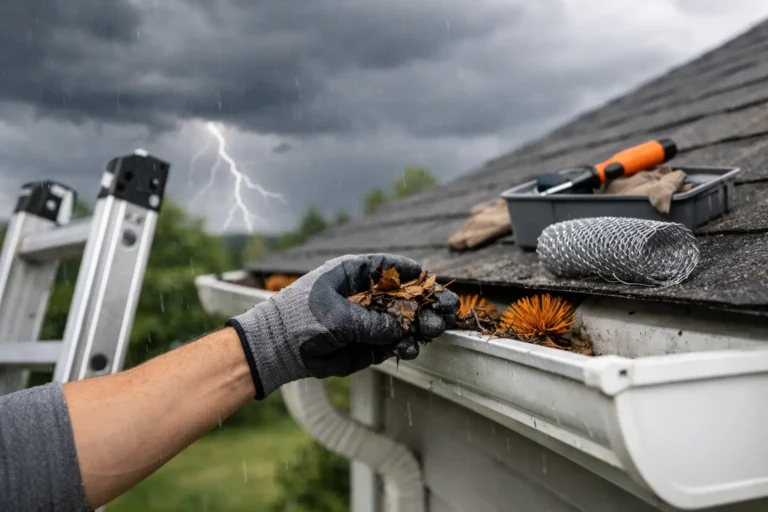
During storms, gutter protection is tested properly. Twigs, gum leaves, seed pods and windblown debris can all land on the roof at once. A guard needs to help water move into the gutter while stopping that material from creating a blockage.
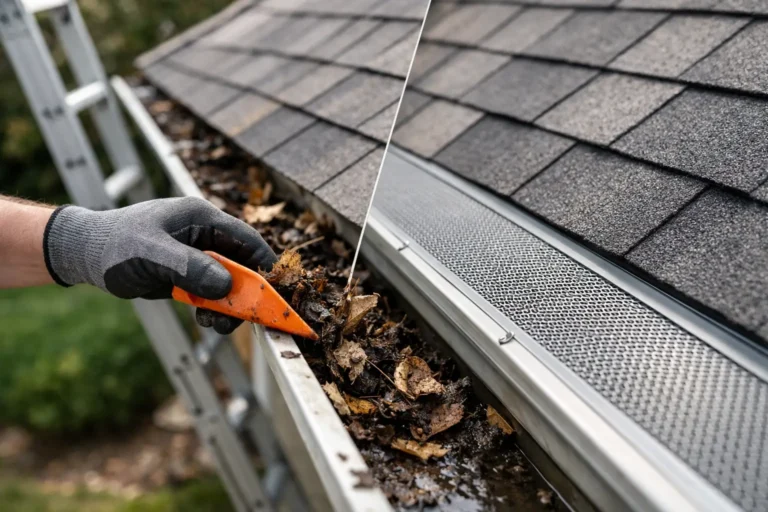
Aluminium mesh performs well here because it is designed to support debris above the gutter line while allowing water to pass through. If the profile remains stable, the system can continue doing its job under pressure. Some plastic guards may cope in lighter conditions, but they are generally more vulnerable to movement or damage when debris load builds up.
Fire safety is not a small detail
For many Sydney property owners, especially those near bushland or in fire-prone areas, ember protection is part of the decision.
This is one of the clearest reasons aluminium mesh is often preferred over plastic. Metal mesh systems are far better suited to applications where ember resistance matters. Plastic, by its nature, is not the material most owners want sitting across gutters when fire exposure is part of the risk picture.
Even if bushfire is not at the front of your mind every day, reducing combustible debris in gutters is already a smart protective step. Pairing that with a non-plastic guard material gives you a more reliable level of protection where it counts.
Maintenance expectations: less hassle or false economy?
No gutter guard makes maintenance disappear entirely. That is worth saying clearly. Roofs still collect fine debris, and some properties need occasional checks depending on surrounding trees, roof pitch and local conditions.
The goal is not zero maintenance. The goal is less frequent cleaning, fewer blockages and better overall protection.
This is where aluminium mesh usually delivers better value. Because it is more durable and stable, it is less likely to create maintenance issues of its own. Plastic guards can sometimes become part of the problem if sections lift, break, clog unevenly or deteriorate over time. Instead of simply clearing natural debris, you may end up dealing with damaged guard material as well.
For property managers and business owners, that difference matters. Reliable performance means fewer reactive jobs, fewer emergency concerns during storms and a lower chance of preventable water overflow affecting the building.
Aluminium mesh versus plastic guards on long-term value
It is easy to compare the initial quote and stop there. But for gutter protection, long-term value is the more useful measure.
A cheaper product can be more expensive if it wears out early, needs replacing sooner or does not protect the gutters properly in the first place. Water damage, fascia deterioration, overflowing gutters and repeated cleaning are all costs, even if they do not appear on the first invoice.
Aluminium mesh generally makes more sense for owners who want the job done properly and want confidence that the system will hold up. That is especially true for larger homes, strata properties, commercial buildings and homes surrounded by trees, where gutter issues are persistent rather than occasional.
This is also why many customers are less interested in the absolute lowest price and more interested in a system that will still be performing well years later.
When plastic guards might still be considered
There are cases where plastic guards may be used, particularly when the budget is very tight or the property owner is focused on a short-term solution. Some people install them as a temporary measure on low-risk sections of roof.
But that comes with trade-offs. You may save money upfront while accepting a shorter lifespan, lower strength and less dependable performance in harsh conditions. For a property you plan to keep, or one you are responsible for maintaining properly, that compromise often becomes harder to justify.
Why the installer matters as much as the material
The comparison between aluminium mesh and plastic guards should never be treated as product-only. The best material still needs careful preparation, proper fitting and attention to roof condition.
If gutters are already full of debris, if downpipes are restricted, or if guards are fitted without regard to water flow and roof layout, performance will suffer. That is why specialist installation is worth it. A proper service should include cleaning, preparation, secure fitting and a clear standard of finish.
That is also what gives property owners peace of mind. You are not just paying for mesh. You are paying for a system that has been installed to protect the property, not simply cover the gutter.
For that reason, many Sydney customers choose specialist providers such as DX Gutter Guard rather than treating gutter protection as a handyman add-on. The workmanship is part of the value.
Which option suits Sydney properties best?
For most homes and commercial buildings in Sydney, aluminium mesh is the better all-round choice. It offers stronger durability, better performance in heat and storms, and a more suitable material for owners thinking about ember risk and long-term protection.
Plastic guards may appear cheaper, but they are often a compromise product. If your priority is lasting performance, fewer maintenance headaches and protection you can rely on during rough weather, aluminium mesh is usually the smarter investment.
The right solution still depends on the property. Roof design, tree coverage, gutter condition and budget all play a part. But if you want a guard system built for durability rather than quick fixes, aluminium mesh is hard to beat.
When you are protecting a roof, gutters and the building below them, the better question is not which option costs less today. It is which one you will still trust after the next storm season.