A single storm can turn a few harmless leaves on the roof into overflowing gutters, stained walls and water where it should never be. If you are comparing the best gutter guards for leaves, the right answer is usually not the cheapest product on the shelf. It is the system that suits your roof, your gutter profile, the trees around your property and the way it will be installed.
For Sydney homes and commercial buildings, that matters more than most people realise. Leaf load varies wildly from suburb to suburb. A house under gum trees faces a very different problem from a coastal property dealing with fine debris, seed pods and wind-blown rubbish. Add heavy rain, ember risk in some areas and the cost of repeated gutter cleaning, and choosing the right guard becomes a practical protection decision, not just a maintenance upgrade.
What makes the best gutter guards for leaves?
A good gutter guard does two jobs at once. First, it keeps leaves and larger debris out of the gutter so water can keep moving to the downpipes. Second, it needs to do that without creating a new problem, like trapping fine debris on top, lifting in strong weather or making future maintenance harder.
That is why there is no one-size-fits-all answer. The best system for a single-storey home with light leaf drop may not be the best option for a larger roof in a heavily treed suburb. Material quality, mesh aperture, fixing method and installation standard all affect how well the system performs over time.
In our experience, homeowners get the best long-term result when they focus less on gimmicks and more on durability, fit and professional preparation. A gutter guard is only as good as the cleaning, repair checks and installation behind it.
The main types of gutter guard
Aluminium mesh gutter guards
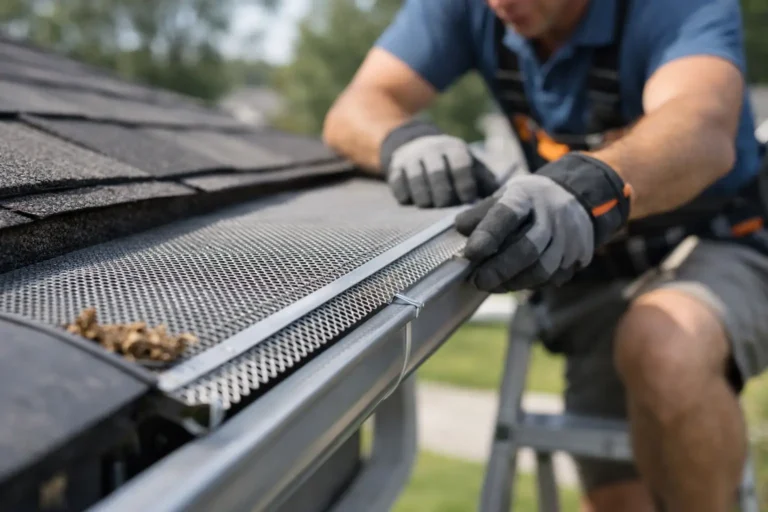
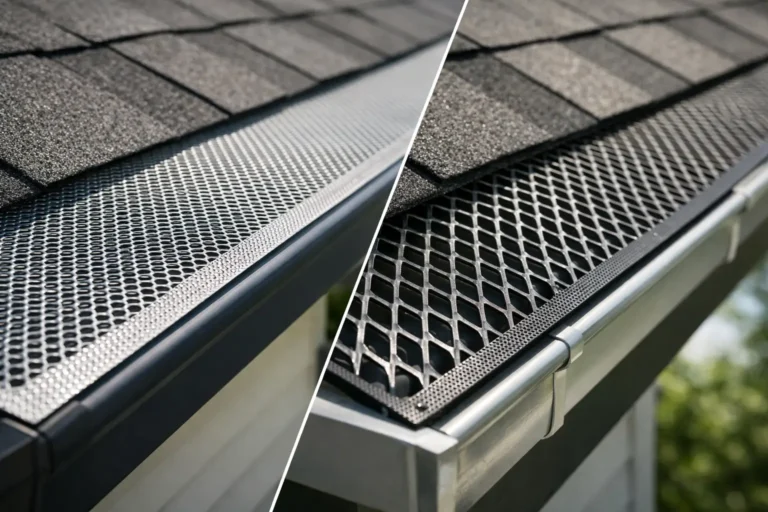
For most leaf-heavy properties, aluminium mesh is the strongest all-round option. It is designed to sit securely over the gutter line, allowing rainwater through while blocking leaves, twigs and larger debris before they can build up inside the channel.
This style works well because it addresses the actual source of most blockages. Instead of waiting for material to collect in the gutter, it stops it from settling there in the first place. On many Sydney properties, that means far less frequent cleaning and a much lower chance of overflow during heavy rain.
The key difference between average and high-performing aluminium mesh is quality. Better products use durable aluminium, a suitable powder-coated finish and secure fixing methods that suit the roof type. Installed properly, they hold shape, handle weather exposure well and provide reliable long-term protection.
Foam inserts
Foam gutter guards sit inside the gutter and let water pass through the material while blocking larger debris on top. They can look like a quick fix, but they are rarely the best choice for leafy Australian conditions.
The main issue is that foam sits in the gutter itself. Over time, it can hold dirt, break down, or become a surface where organic matter collects. In a dry climate with occasional debris, that may be manageable. Under regular leaf fall and storm activity, it often leads to more maintenance than people expect.
Brush guards
Brush-style guards are placed inside the gutter and are meant to catch leaves before they settle. They are simple in concept, but they tend to trap debris within the bristles rather than keep it out altogether.
For some low-demand situations they can offer short-term improvement, but they are generally not what we would call one of the best gutter guards for leaves. Once leaves and fine debris get caught in the brush, cleaning can become awkward and messy.
Plastic screen systems
Plastic guards are usually sold as a lower-cost alternative to metal mesh. The problem is durability. Under strong sun, weather exposure and changing temperatures, plastic can become brittle, warp or lose its fit.
That can be acceptable as a temporary measure, but it is not usually the best investment for a property owner who wants dependable protection. If the goal is to reduce maintenance and avoid preventable damage, replacing a failed product in a few years is a false economy.
Why aluminium mesh usually comes out on top
For Sydney properties surrounded by trees, premium aluminium mesh generally offers the best balance of protection, lifespan and value. It is effective against leaf build-up, handles local weather conditions well and suits a wide range of roof and gutter profiles.
It also supports safer long-term maintenance. Instead of repeated gutter clearing after every heavy season, the system helps reduce how often debris enters the gutter cavity at all. That does not mean the roof will never need attention again. Fine particles can still settle on top of the mesh, and periodic inspection is still smart. But the maintenance burden is usually much lower than with open gutters or lower-grade guard options.
There is also a fire safety consideration in some parts of Sydney. Leaf-filled gutters can contribute to ember-related risk during bushfire season. A properly fitted metal mesh system can help reduce the amount of combustible debris collecting inside the gutters, which is one more reason many property owners see it as a worthwhile protective upgrade.
Installation matters just as much as the product
This is the part many people overlook. Even the best material can underperform if the gutter is not cleaned first, if existing issues are ignored, or if the guard is poorly secured.
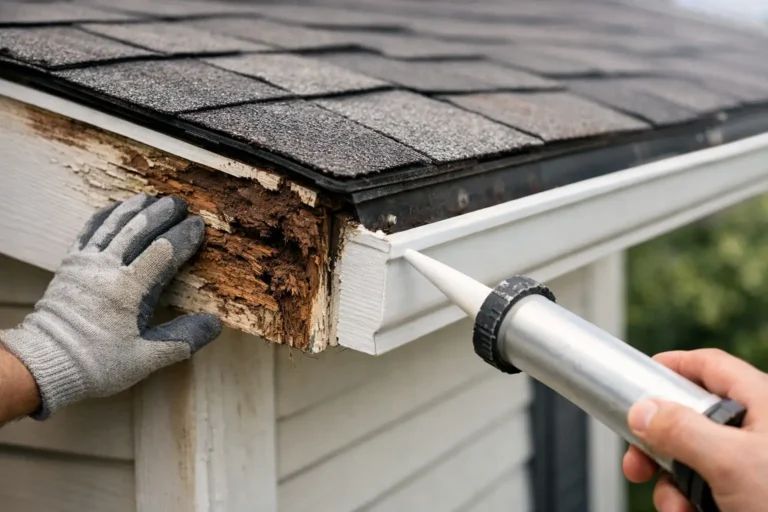
Before any guard goes on, the roof and gutters should be properly cleared of leaves, silt and built-up debris. The installer should also check for drainage issues, loose sections, rusted areas or signs that water has already been escaping where it should not. Covering over a dirty or damaged gutter does not fix the problem. It hides it.
Fit is just as important. Different roofs require different fixing approaches, and a neat finish matters for both performance and appearance. A professionally installed system should sit securely, follow the roofline cleanly and be designed to cope with local conditions, including heavy rain and wind-blown debris.
That is one reason many customers prefer a specialist service rather than a general handyman. With a specialist, the work tends to include the preparation, the installation detail and the quality control needed for the system to perform properly over time.
How to choose the right gutter guard for your property
Start with the trees around the building. Broad leaves, fine gum debris, blossoms and seed pods all behave differently. A guard that stops large leaves well may still struggle if the area produces lots of fine material that mats over the surface.
Next, look at the roof design. Valley sections, steep pitches, older gutter profiles and multi-storey access all affect what can be installed effectively. Commercial properties may also have different water volumes and maintenance needs than a standard home.
Then consider your real goal. If you want the cheapest possible barrier, there are lower-cost products available. If you want fewer callouts, less gutter cleaning, better water flow and a system that is built to last, premium metal mesh is usually the better fit.
A proper quote should take all of this into account. It should not be based on product alone. It should reflect site conditions, roof access, gutter condition, the volume of leaf fall and the standard of workmanship being offered.
When a cheaper option costs more later
We see this often. A property owner chooses a basic product to save money upfront, only to deal with sagging sections, trapped debris or early replacement not long after. By the time cleaning, repairs and reinstallation are added up, the original saving disappears.
That does not mean every budget option is automatically wrong. For a shed, a short-term hold solution or a low-risk area, it may be enough. But for a main residence, strata property or commercial site, reliability matters. Water damage, blocked downpipes and emergency maintenance are far more expensive than getting the system right the first time.
For customers who want a dependable result, professional aluminium mesh installation is often the smarter long-term decision. That is why specialist providers such as DX Gutter Guard focus on premium materials, proper preparation and workmanship that is meant to hold up, not just look good on the day.
The best choice is the one that keeps working
If you are weighing up the best gutter guards for leaves, focus on what will still be performing after seasons of leaf drop, wind and rain. The strongest option for most Sydney properties is a professionally installed aluminium mesh system that suits the roof, the gutter profile and the surrounding environment.
A good gutter guard should give you fewer blockages, less maintenance and more confidence when the weather turns. If a system can do that while protecting the look and condition of your property, it is doing exactly what it should.