A bushfire does not need to reach your front fence to put a property at risk. Wind-blown embers can travel well ahead of a fire front, landing in dry leaves, roof valleys, gutters and gaps around the building. The best ways to prevent embers are really about reducing the places where they can collect, enter or ignite combustible material around your home.
For Sydney homeowners, strata managers and commercial property owners in leafy or bushfire-prone areas, roof and gutter maintenance is a practical first line of defence. It will not make a building fireproof, but it can substantially reduce avoidable fuel loads and help protect the parts of a property that are often out of sight until there is a problem.
Start with clean, non-combustible gutters
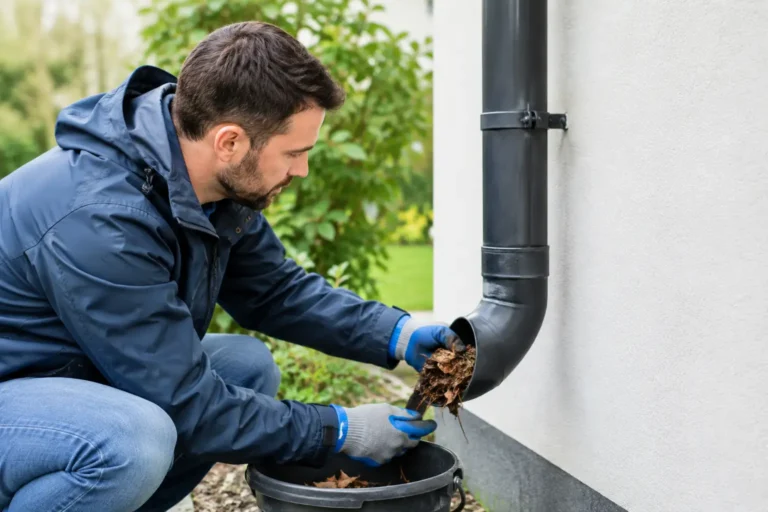
Dry leaves, twigs, bark and seed pods in a gutter can become fuel when embers land. Once that material ignites, flames can spread to fascia boards, roof components or debris caught in valleys. This is why clear gutters are about more than preventing overflow and water damage.
A thorough gutter clean should remove debris from the full roof drainage system, not simply the sections visible from the ground. That includes gutters, valleys, downpipes, box gutters and the areas behind solar panels where leaves can build up unnoticed. Roof debris should also be cleared away rather than pushed into downpipes, where it can create another blockage.
How often this is needed depends on the property. A home beneath established gum trees may need attention several times a year, particularly after storms and during periods of leaf drop. A more exposed property with little overhanging vegetation may need less frequent cleaning. The right schedule is based on what lands on your roof, not a fixed calendar date.
Install quality gutter guards to reduce ember-catching debris
Gutter guards are one of the most effective long-term measures for reducing leaf accumulation in gutters. A properly installed aluminium mesh gutter guard creates a protective barrier over the gutter while allowing rainwater to drain through. By reducing the volume of dry debris that can settle inside, it also reduces the fuel available if airborne embers arrive.
Not every gutter guard system performs the same way. Lightweight plastic products can become brittle in harsh sun, while poorly fitted mesh can lift, sag or leave gaps at roof edges. Those gaps matter because leaves and embers will find the easiest path into the gutter.
Professional installation should account for the roof profile, gutter shape, roof valleys, tile or metal roof details, and the way water flows during heavy rain. The mesh needs to be secured neatly and consistently, with particular care around corners, joins and downpipes. Good installation protects the gutter without causing water to sheet over the front edge during a downpour.
For properties in designated bushfire-prone areas, the material and mesh aperture may need to align with the building’s Bushfire Attack Level, or BAL, requirements. A qualified assessment and the relevant construction requirements should guide those decisions. Gutter guard is a valuable part of ember protection, but it is not a replacement for the broader measures required for a bushfire-ready property.
Keep the roof clear, especially valleys and roof junctions
Gutters are not the only place debris gathers. Roof valleys, skylight surrounds, chimney flashings, solar panel edges and junctions between different roof levels can all hold dry material. These pockets are difficult to inspect from the ground and are often missed in a quick clean.
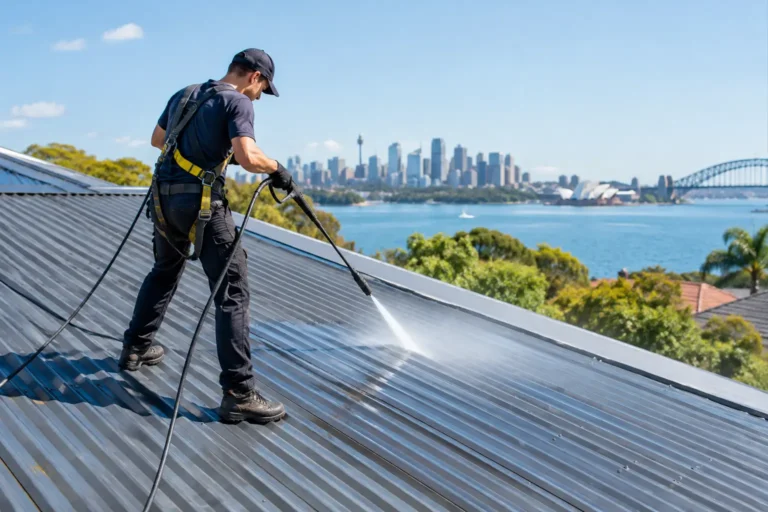
A clean roof gives embers fewer places to settle. It also allows rainwater to move freely into the drainage system, helping protect the roof structure during Sydney’s heavy storms. When roof cleaning is carried out professionally, the team can identify cracked tiles, loose flashing, corrosion, blocked outlets or damaged gutter sections that may affect both water management and ember resistance.
Avoid climbing onto a roof without the right equipment, experience and safety systems. Slippery surfaces, fragile tiles and steep pitches make roof work a genuine risk. Professional cleaning provides a safer way to remove the build-up and inspect the condition of the system at the same time.
Reduce fuel around the building perimeter
The best ways to prevent embers from becoming a fire are not limited to the roofline. Embers often ignite fine fuels close to the building, then flames can reach vulnerable walls, windows, decks or stored items.
Keep the immediate area around the home neat and low-fuel. Rake up dry leaves and bark, keep lawns maintained, and avoid allowing mulch, firewood, cardboard boxes or outdoor cushions to build up against walls. Move bins, stacked timber and outdoor furniture away from the building when bushfire conditions are forecast.
Garden design also makes a difference. Trees should be managed so branches do not overhang the roof, and shrubs near windows, decks and external walls should be kept maintained. This does not mean stripping a property bare. It means creating sensible separation between vegetation and the home, while regularly removing the dead material that burns most easily.
Pay close attention to timber decks and the spaces beneath them. Leaves and windblown debris can collect there quickly, especially if the area is difficult to access. Clean beneath decks, steps and raised structures as part of routine exterior maintenance.
Check the small gaps embers use to enter
Wind-driven embers can enter through openings that appear minor in everyday conditions. Gaps around roof penetrations, damaged eaves, unsealed wall openings, vents and poorly maintained screens can allow embers into roof spaces or other concealed areas.
Inspect screens on windows, doors, vents and weep holes where relevant to your building type and bushfire requirements. Replace damaged screens and repair broken seals, loose boards or cracked cladding promptly. Where upgrades are being considered, seek advice from a suitably qualified professional on materials and mesh specifications appropriate to the property’s BAL rating.
Do not block ventilation openings without expert advice. Roof and subfloor ventilation are necessary for managing moisture and protecting the building. The goal is to use compliant ember-resistant solutions, not to create condensation, mould or structural issues by sealing the home too tightly.
Prepare before hot, windy weather arrives
Ember prevention works best when it is part of normal property care, not a job left until smoke is already in the air. Before the higher-risk season, arrange a roof and gutter inspection, remove accumulated green waste, check outdoor areas and make sure your access paths are clear.
It is also worth considering the practical details that matter on a difficult day. Keep garden hoses in good condition, ensure water tanks and pumps are maintained where applicable, and know how to turn off systems if emergency advice requires it. Follow official fire warnings and local emergency guidance, especially if your property is close to bushland.
For commercial sites and managed properties, regular maintenance records are useful. They show when gutters were cleaned, guards inspected and vegetation managed, and they make it easier to organise work across multiple buildings before problems become urgent.
A gutter guard still needs inspection
A common misconception is that installing gutter guard means gutters never need attention again. Premium mesh dramatically reduces leaf entry and maintenance demands, but no system should be ignored indefinitely. Fine material can still settle on top of the mesh, particularly under dense tree cover or after major storms.
Periodic inspection ensures water is flowing correctly, mesh remains secure and roof valleys are clear. It also gives you an opportunity to catch small issues before they become costly repairs. The best result comes from combining durable guard installation with sensible ongoing maintenance.
At DX Gutter Guard, this means preparing and cleaning the roof and gutters properly before installing quality aluminium mesh, then leaving the site clean and the system ready to perform. Before-and-after photos can also give property owners confidence that the areas they cannot safely see have been properly addressed.
A clean roof, protected gutters and a well-maintained perimeter will not stop embers from flying, but they give those embers far less chance to turn into a preventable loss. Booking maintenance before the dry season is a simple way to protect the property you have worked hard to maintain.